








Swiss Movement Watches: What It Means and Why It Matters
Open the back of a watch and you find the part nobody in the shop talks about. The movement. It is the mechanical heart that keeps the hands turning, and it is also the quietest honest signal of how much care went into the piece sitting on your wrist. Two watches that look identical from the front can cost £200 and £2,000 depending on what is happening inside the case, and the single word most responsible for that gap is Swiss.
This guide explains what Swiss movement actually means, the difference between quartz and automatic movements, why the industry treats Swiss manufacturing as the benchmark, and what you are really getting when you buy a watch with a Swiss Ronda movement inside. By the end you will know exactly what to look for and why it matters.
What Is a Watch Movement?
The movement is the engine of the watch. It is the collection of gears, springs, and electronic parts that measure time and drive the hands across the dial. Everything else on a watch (the case, the crystal, the strap, the dial) is essentially a house built around this engine. If the movement is poor, the watch is poor, no matter how pretty the exterior looks.
There are two broad families of watch movement. Quartz movements use a small battery to send an electrical current through a tiny quartz crystal, which vibrates at a very precise frequency to keep accurate time. Mechanical movements, which include automatic watches, use a coiled spring and a series of gears to drive the hands without any battery at all. Each family has its place, and the right choice depends on what you want from a watch.
Why Swiss Movement Is Considered the Benchmark
Switzerland has been making watches since the 16th century. For the last two hundred years it has been the undisputed home of watchmaking, and the country built its reputation on a single principle. Precision. Swiss watchmakers wrote the rules that the global industry still follows today. They invented many of the standard movements used across the world. They set the tolerances for how much a watch is allowed to drift over a day before it counts as inaccurate.
To put the word Swiss Made on a watch legally, the piece must meet several strict criteria. The movement itself must be Swiss. At least 60% of the production cost must occur in Switzerland. The final inspection and assembly must take place in Switzerland. This is not marketing language. It is federal Swiss law, enforced by the Swiss government, and the penalties for breaking it are serious. When a watch carries a Swiss movement, you are paying for manufacturing standards that are older than most countries.
Swiss Quartz vs Swiss Automatic: Which Is Right for You?
Once you know a watch uses a Swiss movement, the next question is which type. Quartz or automatic. Both have their place, and understanding the difference helps you choose the watch that suits your life, not just your taste.
Swiss Quartz is powered by a battery and regulated by a quartz crystal. It is phenomenally accurate, typically drifting less than 15 seconds per month. It requires almost no maintenance beyond a battery change every two to four years. It is thin, light, and reliable. The battery sits inside a sealed movement, which means no manual winding, no need to shake your wrist every morning, and no setting adjustments if you put the watch in a drawer for a month. You pick it up, it is on the correct time, you put it on.
Swiss Automatic (or mechanical) is powered by a mainspring that winds itself through the movement of your wrist. No battery. No electronics. Just a tiny machine of more than a hundred moving parts, driven by your own motion. Automatic watches have soul, but they also have trade offs. They are less accurate (typically drifting 5 to 20 seconds per day), they need servicing every five to seven years, and they stop running after 36 to 48 hours off the wrist, meaning you reset them when you pick them up after a weekend break.
The right choice depends on how you wear your watch. If you want one piece that tells perfect time every time you put it on, Swiss quartz is the sensible choice. If you want a watch that feels alive, that you will tinker with and service and pass down, Swiss automatic is the traditional route. Both are Swiss. Both are considered fine watchmaking. The one that suits you is the one whose quirks you actually enjoy.
The Swiss Ronda Movement Explained
Inside every Wecord watch is a Swiss Ronda movement. Ronda is a Swiss manufacturer that has been making watch movements in the town of Lausen, near Basel, since 1946. The company makes over 20 million movements a year and supplies watchmakers at every level of the industry, from fashion brands to the Swiss houses you recognise by name.
The specific movement used in the Duke Collection and the Oliver Collection is the Ronda 1062. It is a quartz movement with a four year battery life, a drift rate well within Swiss chronometer standards, and a profile thin enough to fit inside a 6mm case. The reason Wecord chose this particular movement is simple. It is one of the most reliable quartz movements ever manufactured, it holds its accuracy for decades, and the service network for Ronda exists in every major city in the world including London. If a Ronda 1062 ever needs a battery change or a service in fifteen years, any Swiss trained watchmaker will know exactly what to do with it.
This matters because a watch is only as good as your ability to keep it running. A movement with strong global support is a watch you can wear for a lifetime without ending up with an expensive wrist ornament. That is the quiet reason why the Ronda sits inside Wecord watches. It is the same engine trusted by some of the most respected Swiss brands, available in a price bracket that is genuinely accessible.
Swiss vs Japanese Movements: The Honest Comparison
Japanese movements, made primarily by Seiko, Citizen, and Miyota, are the other major force in watchmaking. Japanese quartz movements are excellent, highly accurate, and significantly cheaper to produce than Swiss equivalents. They are the reason so many watches at lower price points can still tell accurate time.
The difference sits in the details. Swiss movements generally use higher grade materials, tighter manufacturing tolerances, and longer battery lives. A Swiss Ronda battery lasts four years where a Japanese Miyota typically lasts two. Swiss jewels (the tiny synthetic ruby bearings that reduce friction inside the movement) are higher grade on Swiss movements. The long term reliability of Swiss quartz across decades is better documented than Japanese equivalents because Swiss movements have been tracked through more generations of owners.
Japanese is not inferior. It is different. Japanese watches deliver extraordinary value at their price points and represent some of the best engineering anywhere. But when you see Swiss Made on a dial, you are paying for the tradition, the tolerances, and the confidence that the movement will outlast the trend that made you buy it. For a piece you plan to wear for ten to twenty years, Swiss is the choice that ages most gracefully.
How to Verify a Watch Actually Has a Swiss Movement
The watch industry is full of overlapping terms that sound similar but mean very different things. Knowing the difference protects you from spending Swiss money on something that is not.
Swiss Made is the strictest designation and the one to look for. It means the watch meets all the legal criteria set by the Swiss government, including Swiss movement, 60% Swiss production cost, and Swiss final assembly.
Swiss Movement means the movement itself is manufactured in Switzerland, but the case or assembly may be elsewhere. This is what you will see on many quality watches in the accessible price bracket, and it is a legitimate quality signal.
Swiss Quartz or Swiss Made Movement also refer to a Swiss movement specifically, and are common on watches that are assembled outside Switzerland but use authentic Swiss internals.
Watch out for vague marketing terms like "Swiss style," "Swiss engineered," or "Swiss designed." None of those mean the watch actually contains a Swiss movement. If the brand does not state Swiss Movement or Swiss Made clearly on the dial or in the product specifications, assume it does not have one.
The other signal is the product page itself. Reputable brands tell you exactly which movement is inside. You should see the manufacturer name (Ronda, ETA, Sellita) and often the specific calibre number (1062, 6102, SW200). If a brand at a mid price point will not tell you what movement is inside the watch, that is usually because they do not want you to know.
Why a Swiss Movement Changes How a Watch Wears
There is a functional difference that marketing cannot describe. You have to wear a Swiss quartz watch for a month to understand it. The minute hand ticks in a specific rhythm, clean and confident. The watch never feels hurried or dragging. Over weeks you notice you never reset the time. You move your wrist, glance down, the minute hand is exactly where it should be. This is not a dramatic difference in any single moment. It is the accumulation of hundreds of small moments where the watch is simply doing its job without asking for attention.
You also notice what is absent. Cheap quartz watches often develop tiny stutters after a year or two, where the second hand hesitates for a fraction of a second. This is a sign of the movement struggling with wear. A Swiss Ronda 1062 does not do this. It ticks the same on day one as day two thousand. The consistency is what you are paying for, and it is the same consistency that separates quality tools from disposable ones in every field.
Which Wecord Watches Carry a Swiss Movement?
Every single watch across the Wecord range uses a Swiss Ronda movement. The watches collection has two core lines.
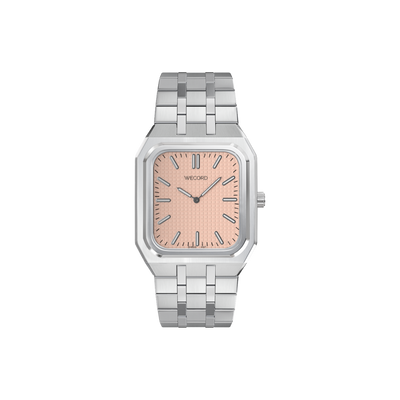
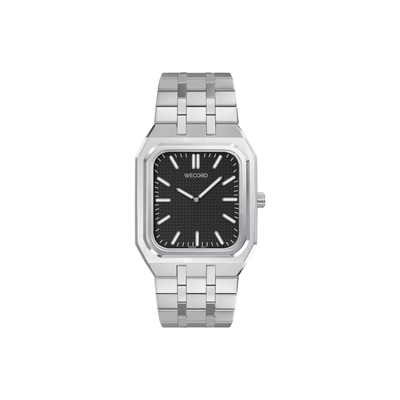
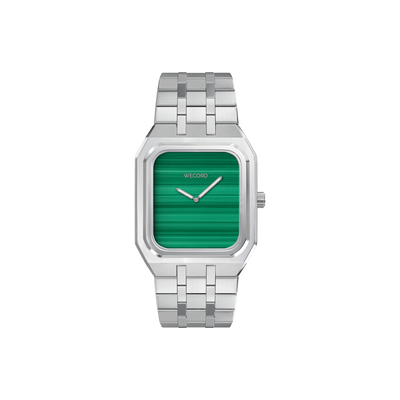
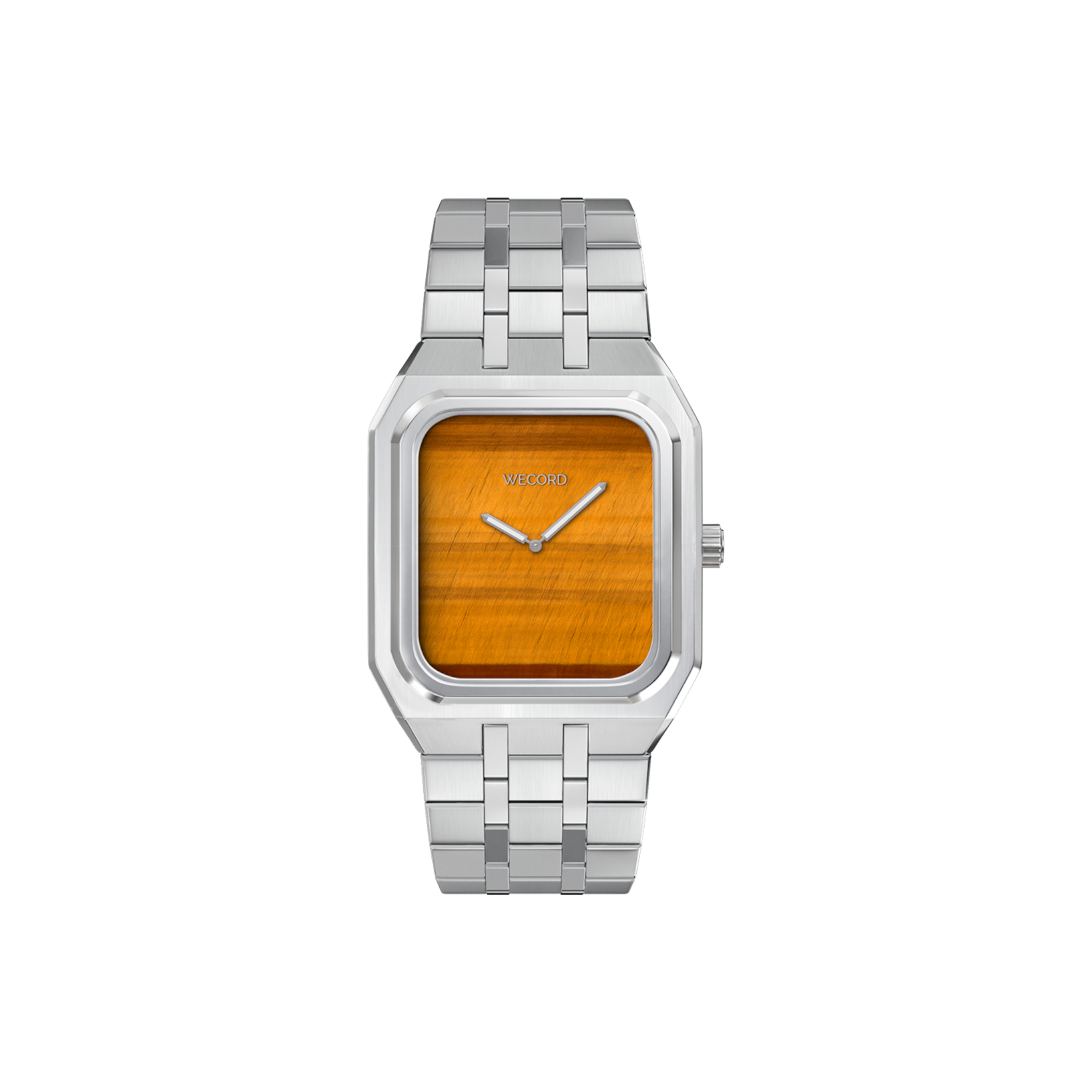
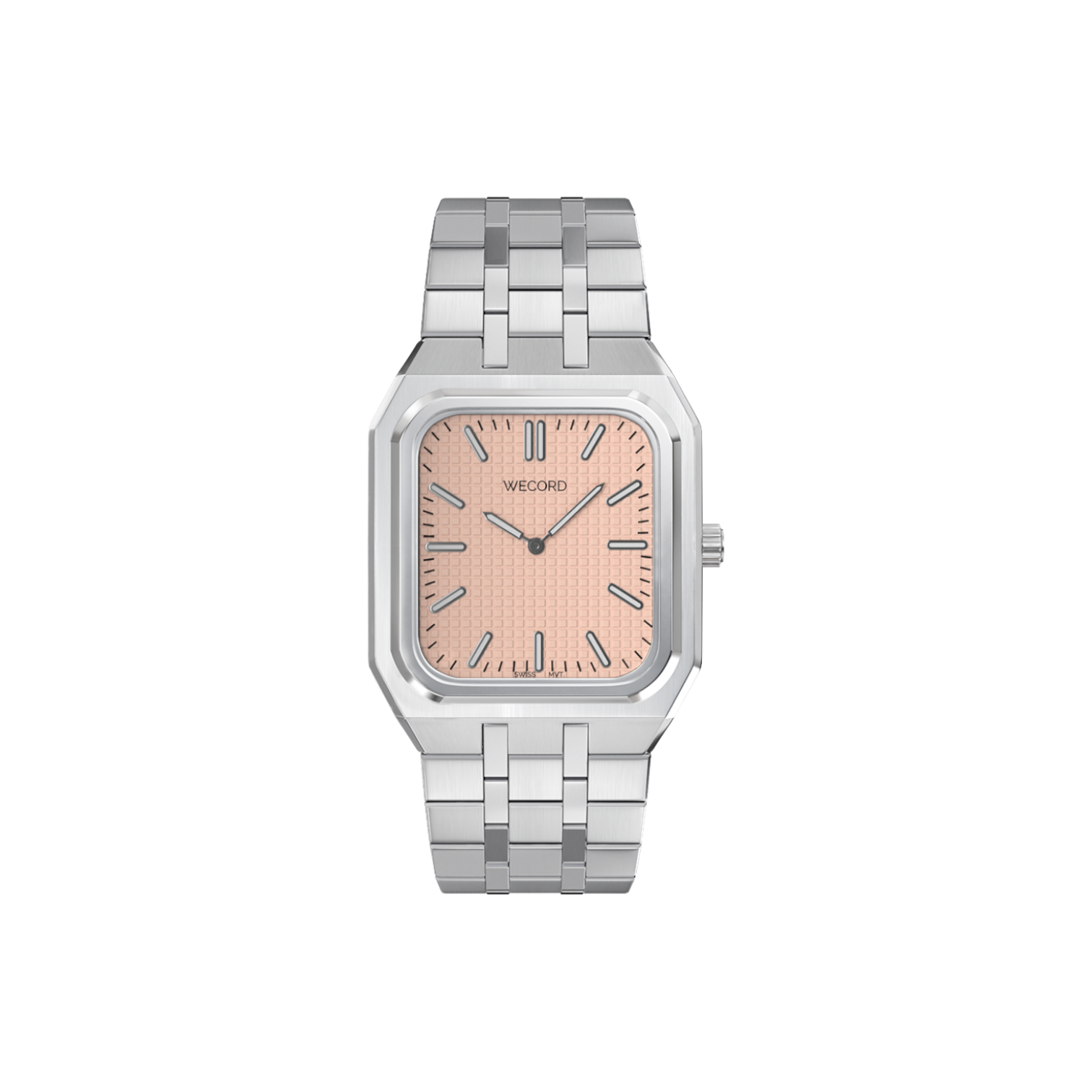
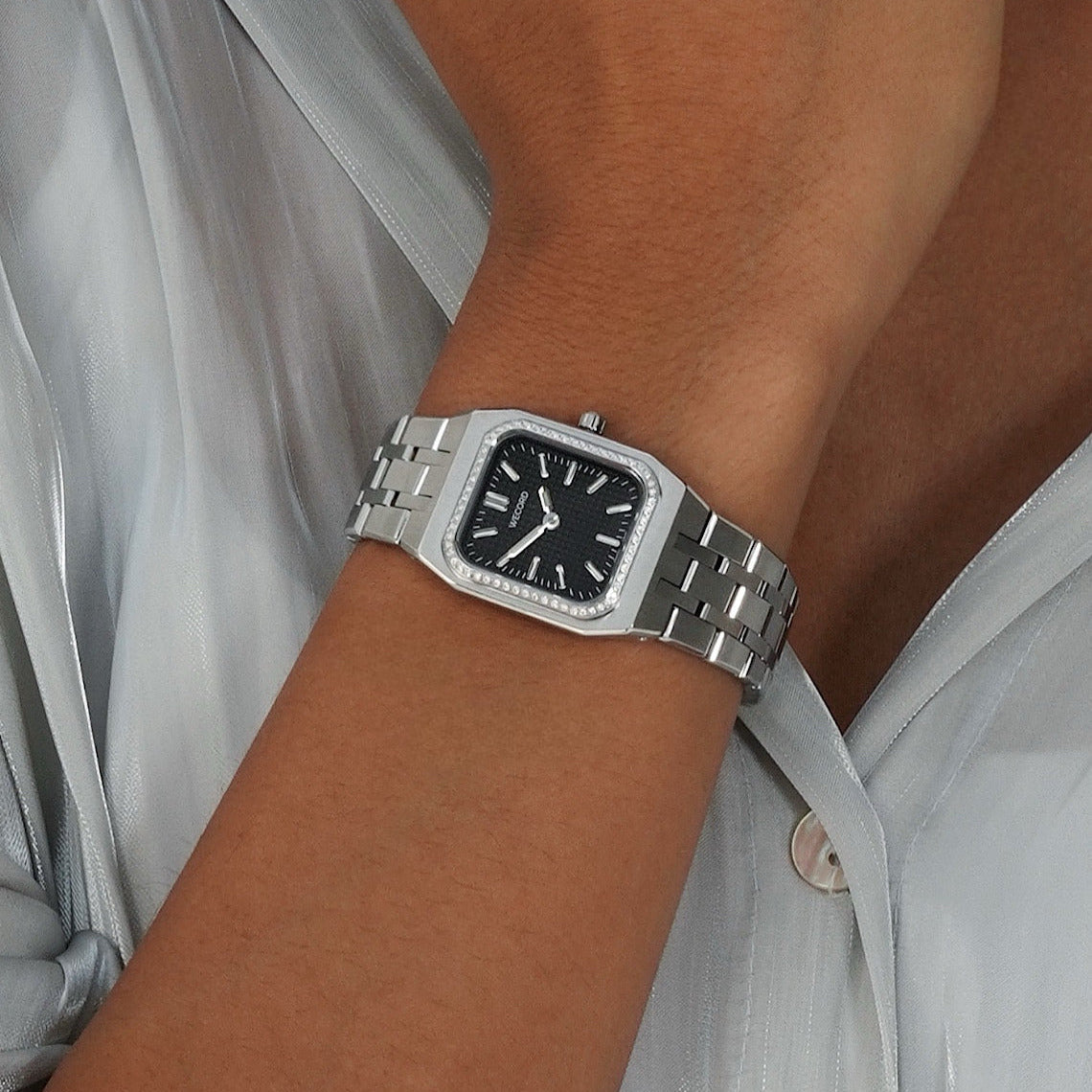
The Duke Collection is the square dress watch range. The case is 316L stainless steel in either 35mm x 24mm or 41mm x 32mm, the crystal is sapphire, and the profile is 6mm thick. The Duke range spans three tiers: the classic dial, the diamond dial with lab grown stones, and the gemstone dial featuring natural stones like tiger's eye, onyx, lapis lazuli, and malachite cut from single slices of stone.
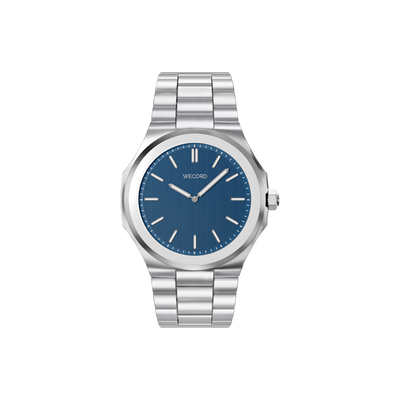
The Oliver Collection is the round integrated bracelet range. The 30mm and 40mm cases wear beautifully with a flowing steel bracelet that connects seamlessly into the case. The Oliver carries a sportier, more contemporary energy while using the same Swiss Ronda movement, same sapphire crystal, and same 316L stainless steel as the Duke.
The Limited Edition watches and the Arabic numeral models use the same Swiss Ronda core. The watches under £500 selection is the best starting point if you are buying your first Swiss movement watch and want to keep the budget tight without compromising the engine.
Pairing a Swiss Watch with the Rest of Your Wrist
A proper watch earns the space around it. A Swiss movement deserves a strap or bracelet that matches the quality of the movement, and it deserves careful thought about what else you wear on the same wrist. The simplest rule is that one anchor piece, the watch, does the heavy lifting. Everything else plays a supporting role.
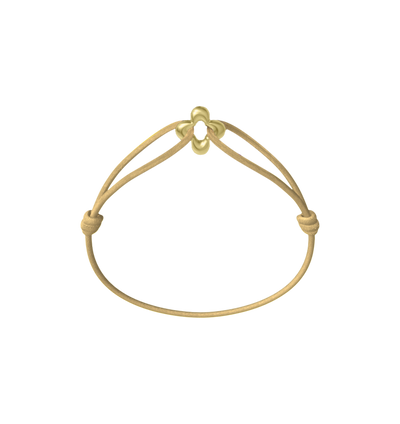
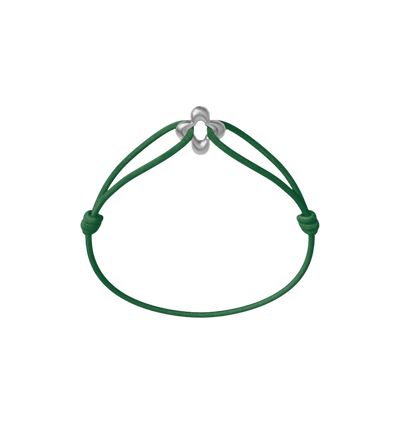
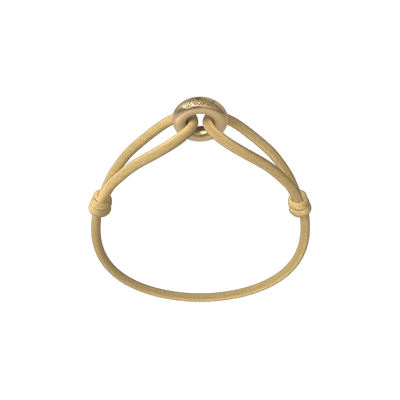
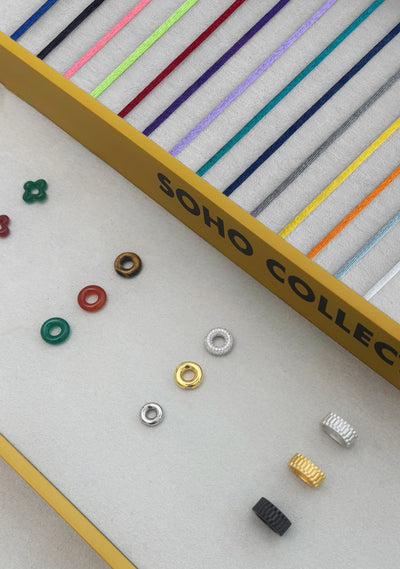
One or two cord bracelets on the same wrist as the watch works particularly well with the Duke, because the 6mm profile sits at roughly the same height as a cord bracelet. The pieces nest without competing. For men in particular, a Duke paired with a Regent cord bracelet or a Soho silver cord creates the signature layered look that suits both a suit and a weekend shirt. Browse the gifts for him range for specific pairings.
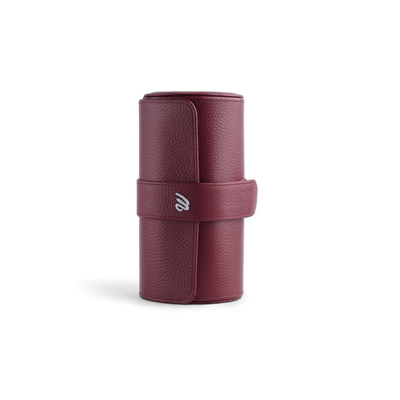
For storage and travel, a proper watch roll matters too. The Kensington watch roll holds multiple watches in leather compartments that protect the sapphire crystal and the case finish during travel, which extends the life of a Swiss movement simply by preventing shocks.
Caring for a Swiss Movement Watch
A Swiss quartz movement needs very little from you. Change the battery every four years (any good watchmaker can do this in ten minutes for a small fee), avoid dropping the watch on hard floors, and do not wear it in swimming pools or hot tubs even if it is rated for water resistance. Chlorine breaks down gaskets and seals faster than anything else.
Swiss automatic watches need more active care. Wear them regularly so the mainspring stays wound, or use a watch winder when you are not. Service every five to seven years at a Swiss trained watchmaker. A proper service includes a full movement clean, gasket replacement, timing recalibration, and case polish if needed. A Swiss automatic that is looked after properly will outlive you and be worth passing on, which is why serviceable Swiss movements hold their value where disposable watches do not.
For more on choosing the right watch and wearing it well, the watch size guide and the affordable luxury watch guide cover the other pieces of the puzzle.
Frequently Asked Questions
Is a Swiss movement watch worth the extra money?
For a watch you plan to wear regularly for five or more years, yes. Swiss movements last longer, drift less, and are supported globally by watchmakers who know them. For a watch you expect to replace in a year or two with a trend piece, a Japanese quartz is usually enough. The Swiss premium earns itself back over time.
What does Swiss Ronda 1062 mean?
Ronda is a Swiss movement manufacturer based in Lausen, Switzerland. The 1062 is the specific calibre (model number) of the movement used inside Wecord watches. It is a three hand quartz movement with a four year battery life, high accuracy, and a thin profile that allows the watch case to sit slim on the wrist. It is one of the most reliable Swiss quartz movements available at any price point.
How accurate is a Swiss quartz movement?
A Swiss quartz movement like the Ronda 1062 typically drifts less than 15 seconds per month, which means you might adjust the time once or twice a year for seasonal time changes, and otherwise never touch it. By comparison, a Swiss automatic drifts 5 to 20 seconds per day, and a cheap quartz movement can drift 30 seconds per month or more.
How long does the battery last in a Swiss quartz watch?
The Ronda 1062 inside Wecord watches has a four year battery life. Most other Swiss quartz movements sit in the three to five year range. Japanese quartz batteries typically last two to three years. When the battery runs out, any watchmaker can replace it in minutes for a small fee, and the movement continues running as before.
Can I swim or shower with a Swiss movement watch?
Check the water resistance rating on the specific watch. Wecord watches are rated 3 ATM, which is enough for rain and hand washing but not for swimming, showering, or hot tubs. Water resistance degrades over time as gaskets age, and hot water accelerates this dramatically. The safer habit is to remove the watch before any prolonged water contact.
What is the difference between Swiss Made and Swiss Movement?
Swiss Made means the whole watch meets strict Swiss legal criteria including movement, production cost, and final assembly in Switzerland. Swiss Movement means the movement itself is Swiss, while the case or assembly may be elsewhere. Both indicate a Swiss made movement, which is the most important part of any quality watch.
Are Wecord watches Swiss Made?
Wecord watches use Swiss Ronda movements, 316L stainless steel cases, and sapphire crystal. The watches are designed in London and the core movement is Swiss manufactured. This is clearly stated on every product page so you know exactly what you are buying.
Is a Swiss quartz watch better than a Swiss automatic?
Neither is objectively better. They are different philosophies. Swiss quartz is more accurate, lower maintenance, and thinner. Swiss automatic is more traditional, has more mechanical complexity, and holds value better in very high end pieces. For a daily watch worn across a varied life, Swiss quartz is usually the practical choice. For a collectable heirloom piece, Swiss automatic carries the emotional weight.
How much should a Swiss movement watch cost?
Swiss movement watches start around £200 for accessible brands using entry level Swiss calibres, climb into the thousands for mid range Swiss Made watches, and reach tens of thousands for the most respected Swiss houses. A Swiss Ronda in a well made 316L stainless steel case with sapphire crystal typically falls in the £250 to £500 range, which is where the Duke Collection and Oliver Collection sit. This is the sweet spot for genuine Swiss quality without the heritage brand premium.
Where can I see Swiss movement watches in person in the UK?
Visit the Wecord store at 60 Beauchamp Place in Knightsbridge, London. You can try on every model in the Duke and Oliver collections, feel the weight of a Swiss Ronda movement on the wrist, and see the difference in person. Full details on the find us page.
Read more
Long before people cared about karats, they cared about stones. Every major civilisation in recorded history attached meaning to the colours buried in the earth, and that instinct has never really...
A cord bracelet is the oldest piece of jewellery humans ever made. Long before gold was shaped or silver was cast, people were tying pieces of string around their wrists and giving them meaning. E...