







The Meaning of Cord Bracelets: History, Symbolism, and Colour Guide
A cord bracelet is the oldest piece of jewellery humans ever made. Long before gold was shaped or silver was cast, people were tying pieces of string around their wrists and giving them meaning. Every culture in the world has done this at some point, and almost every one of them has done it for the same reason. A cord around the wrist is a reminder. A promise. A mark that something matters enough to wear.
The reason cord bracelets feel so natural to wear today is that they carry that weight without asking you to think about it. This guide walks through where the cord bracelet comes from, what the different colours have meant across history, why the knot itself is part of the symbolism, and how each Wecord collection connects to a specific tradition. Read this once and you will never look at a cord bracelet the same way again.
Where the Cord Bracelet Comes From
The cord bracelet exists in almost every ancient culture, which tells you something important. It was not invented. It was discovered independently again and again because the idea is so basic. A length of string, a knot, and the wrist become a place to hold meaning.
In Tibetan Buddhism, monks have been tying blessed cords around devotees' wrists for over a thousand years. The cord is said to carry the blessing through physical contact, a small piece of protection that stays with the wearer after they leave the monastery. In Jewish tradition, the red string tied to the wrist traces back to the biblical figure of Rachel, and the custom of wearing a red thread to ward off the evil eye remains common across Israeli and Ashkenazi communities to this day. In Hindu culture, the kalava or mauli thread is tied at the start of ceremonies and worn as a sacred reminder of vows made to the divine.
Brazilian wish bracelets, known as fitas, come from the 18th century in the city of Salvador de Bahia. The cord is tied to the wrist with three knots, each one representing a wish. When the bracelet eventually frays and falls off on its own, tradition says the wishes come true. Thai and South East Asian sai sin threads, Mexican milagro cords, African friendship cords, the European friendship bracelet of the 1960s and 70s. The same idea in different hands, over and over across thousands of years.
The modern cord bracelet sits on this deep foundation. When you wear one, you are participating in something that predates written language. That is part of why a well made cord bracelet feels different from costume jewellery. It is not a trend. It is the oldest trend there is.
The Meaning of the Knot
The knot is the quiet heart of a cord bracelet. In nearly every tradition that uses cord bracelets, the act of tying the knot is the moment that charges the bracelet with meaning. The cord is a neutral piece of material. The knot is the commitment.
In Celtic tradition, knotwork represents connections without beginning or end, which is why intertwined knots appear on wedding rings, armour, and sacred manuscripts from Ireland and Scotland. In Chinese tradition, the decorative knots known as 中国结 (Zhongguo jie) have been tied for three thousand years as symbols of prosperity, longevity, and good fortune. In sailor culture, specific knots were tied on cord bracelets to remember loved ones at sea, with each knot representing a specific prayer or promise.
Modern cord bracelets often use adjustable sliding knots, sometimes called Chinese button knots or surgeon's knots. This allows the bracelet to be tightened or loosened on the wrist without cutting the cord, which carries its own symbolism. The bracelet adapts to you. It does not need to be opened to be worn, and it does not need to be removed to be adjusted. It simply moves with you.
The adjustable knot is the signature feature across the Wecord cord bracelet range. You slide the bracelet onto your wrist, pull the knot to the fit you want, and leave it. If your wrist changes size in the summer heat or over the years, the bracelet still fits. That is part of why cord bracelets are given as gifts so often. They do not need to be sized. They fit everyone.
Colour Meanings Across Traditions
The colour of a cord bracelet carries more meaning than almost any other jewellery choice you can make. Every major tradition has associated different colours with different qualities, and the overlap between cultures is striking.
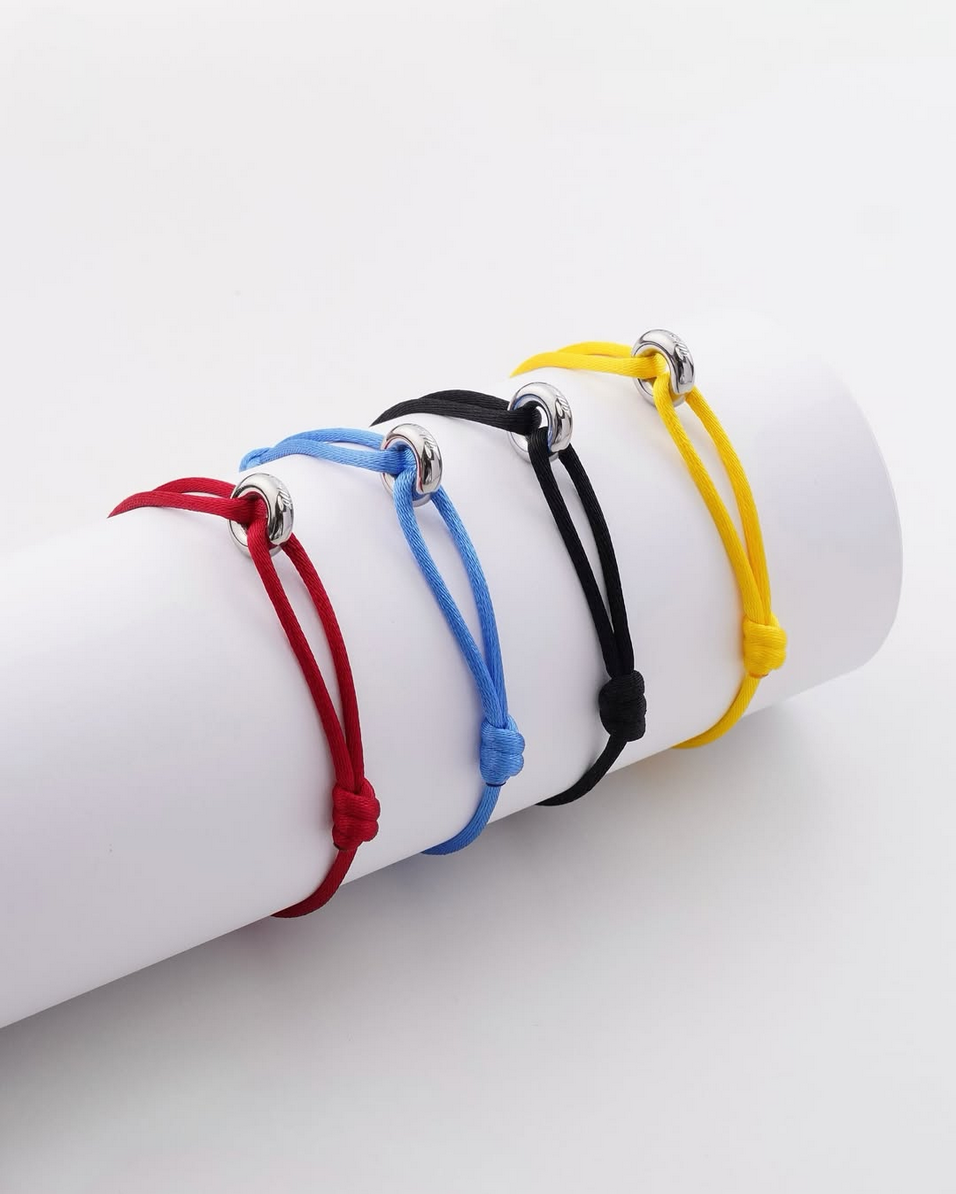
Red is the most powerful cord colour in world tradition. It appears in Jewish Kabbalah as protection against the evil eye, in Chinese culture as the colour of luck and prosperity, in Hindu tradition as the colour of the sacred, and in many African cultures as the colour of vitality and life. A red cord bracelet is the most universal symbol of protection across human history. It says "keep this person safe."
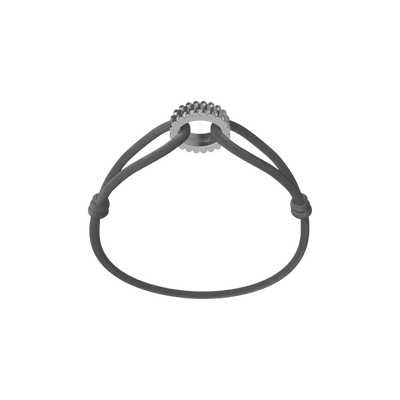
Black represents strength, boundaries, and grounding in almost every culture that uses cord bracelets. In Tibetan Buddhism, black cords are tied to ward off negative influences. In Western traditions, black is associated with formality and authority. A black cord bracelet tends to be worn by people who want to feel composed, protected, and focused.
White symbolises purity, new beginnings, and clarity across most of the world. In Buddhist and Hindu traditions, white cords are used during purification rituals and rites of passage. A white cord bracelet is often given at the start of something, a new job, a move, a major life decision, as a symbol of a fresh start.
Gold represents wealth, warmth, and achievement in almost every culture. Gold has always been the colour of the sun, of royalty, of success. A gold cord bracelet celebrates what you have built or what you are building. It is commonly given as a gift for promotions, milestones, and anniversaries.
Silver carries a cooler, more introspective meaning. Silver is the moon to gold's sun. It represents clarity, reflection, and timeless beauty. A silver cord bracelet suits people who prefer the quieter end of luxury, pieces that whisper rather than shout.
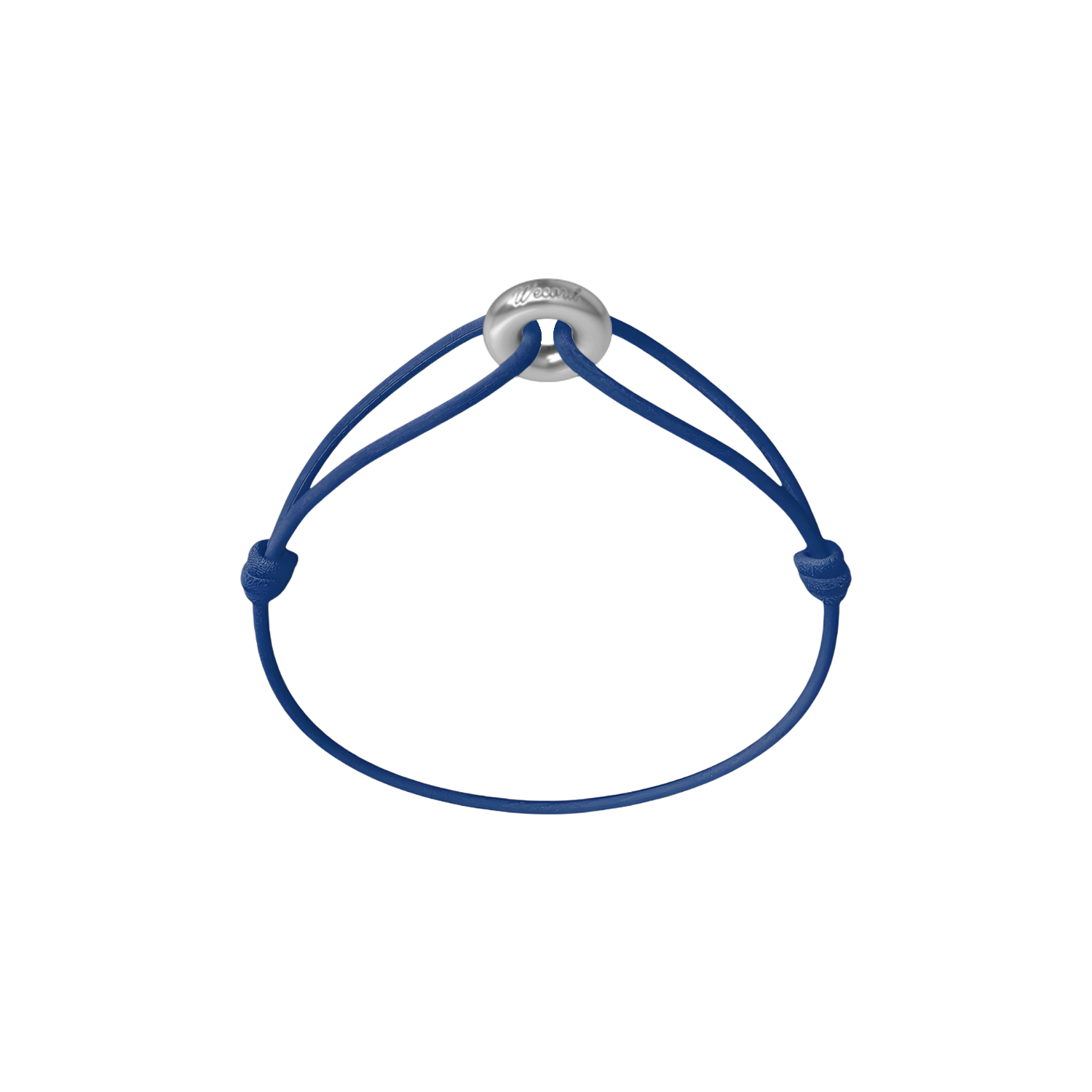
Blue is the colour of calm, trust, and communication. In Mediterranean cultures, blue beads and cords are used to ward off envy. In Western tradition, blue is associated with loyalty and fidelity. A blue cord bracelet is often given as a symbol of trust between close friends or partners.
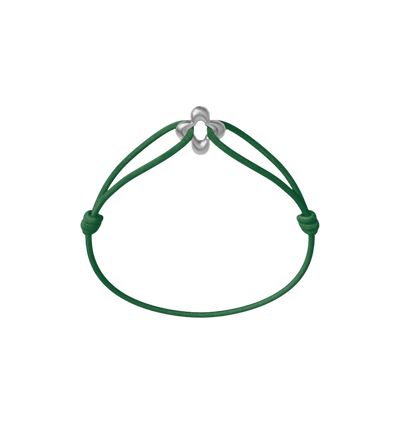
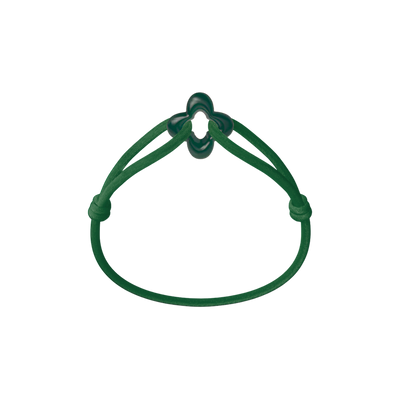
Green symbolises growth, renewal, and balance. It is the colour of spring and new life across most of the northern hemisphere. A green cord bracelet is a gentle way to mark a period of transition or the hope for growth in a new chapter.
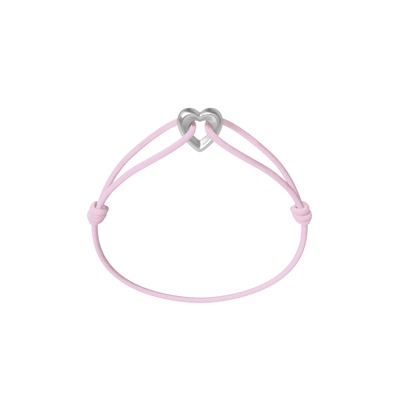
Pink represents self love, compassion, and tenderness. It is a modern colour in the cord bracelet tradition and has risen in popularity as people have embraced jewellery that celebrates emotional wellbeing. A pink cord is a reminder to be kind to yourself.
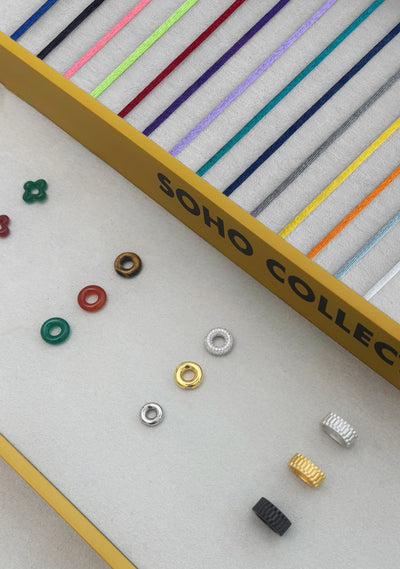
Most Wecord cord bracelets are available in multiple cord colours, which means you can choose the meaning alongside the style. The Soho Collection and Regent Collection in particular offer the widest range of cord colours.
What Each Wecord Collection Represents
Every Wecord cord bracelet line carries a specific meaning, and the design of each piece is built around that idea.
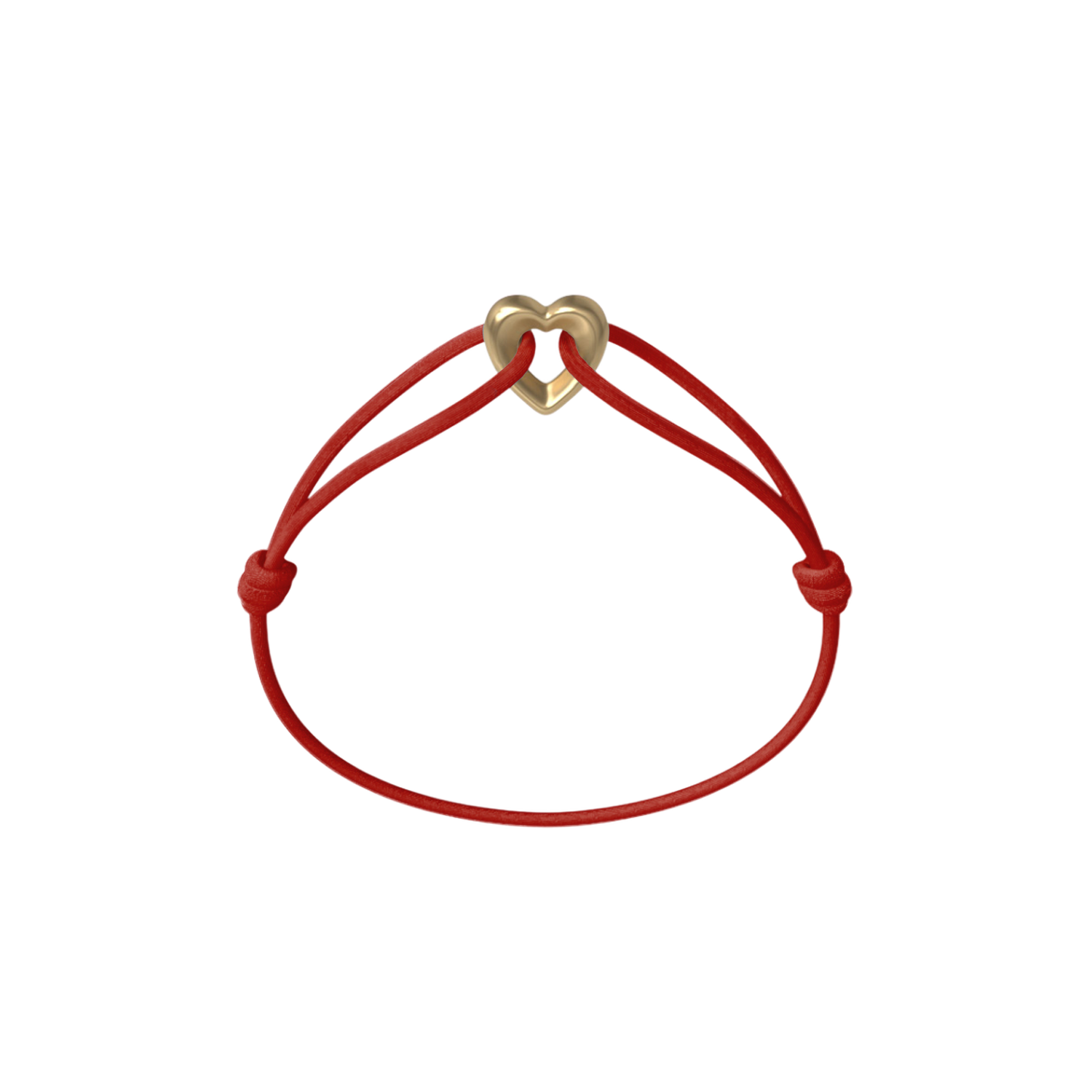
The Heart Collection is the most direct. The heart charm has been a universal symbol of love for over five thousand years, and the heart cord bracelet turns that symbol into something you can carry on your wrist every day. These are the bracelets people buy for partners, for mothers, for close friends. The heart does not need to be explained. It is the oldest jewellery symbol humans have.
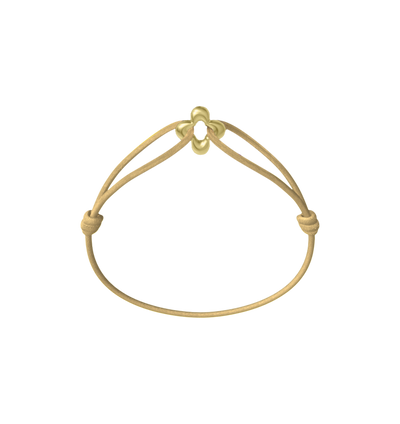
The Clover Collection uses the four leaf clover, traditionally considered lucky across Irish, Celtic, and European folklore. The four leaves represent faith, hope, love, and luck. Finding a real four leaf clover is statistically rare, which is why the symbol became so closely tied to good fortune. The Clover Collection turns this lucky symbol into jewellery that gets worn daily, often as a quiet talisman before job interviews, exams, or important meetings.
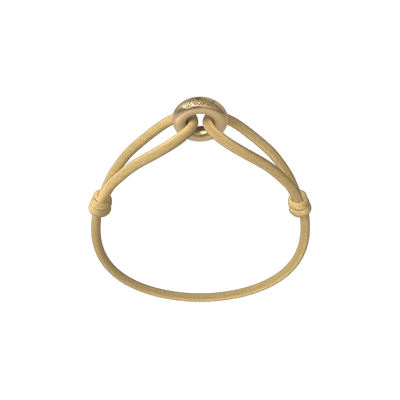
The Soho Collection is the signature Wecord cord bracelet. The name comes from the London neighbourhood, and the design is built around a minimal charm on a single coloured cord. The Soho represents understated personal style. It is the bracelet you wear when you do not want to explain yourself, which is why it has become the most stacked piece in the entire range.
The Regent Collection is the men's signature cord bracelet, named after Regent Street in central London. The design is thicker and more structural than the Soho, built to sit comfortably alongside a watch. The Regent is associated with strength and quiet confidence, which is why it appears across almost every men's gift guide on the site.
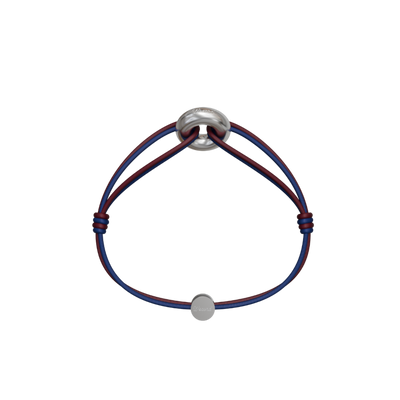
The Unity Collection uses a linked design symbolising connection, partnership, and bonds. Unity is the gifting collection for moments that mark a relationship (an anniversary, a milestone birthday, the start of a partnership). The symbol is older than heraldry and sits in almost every tradition that uses chain imagery.
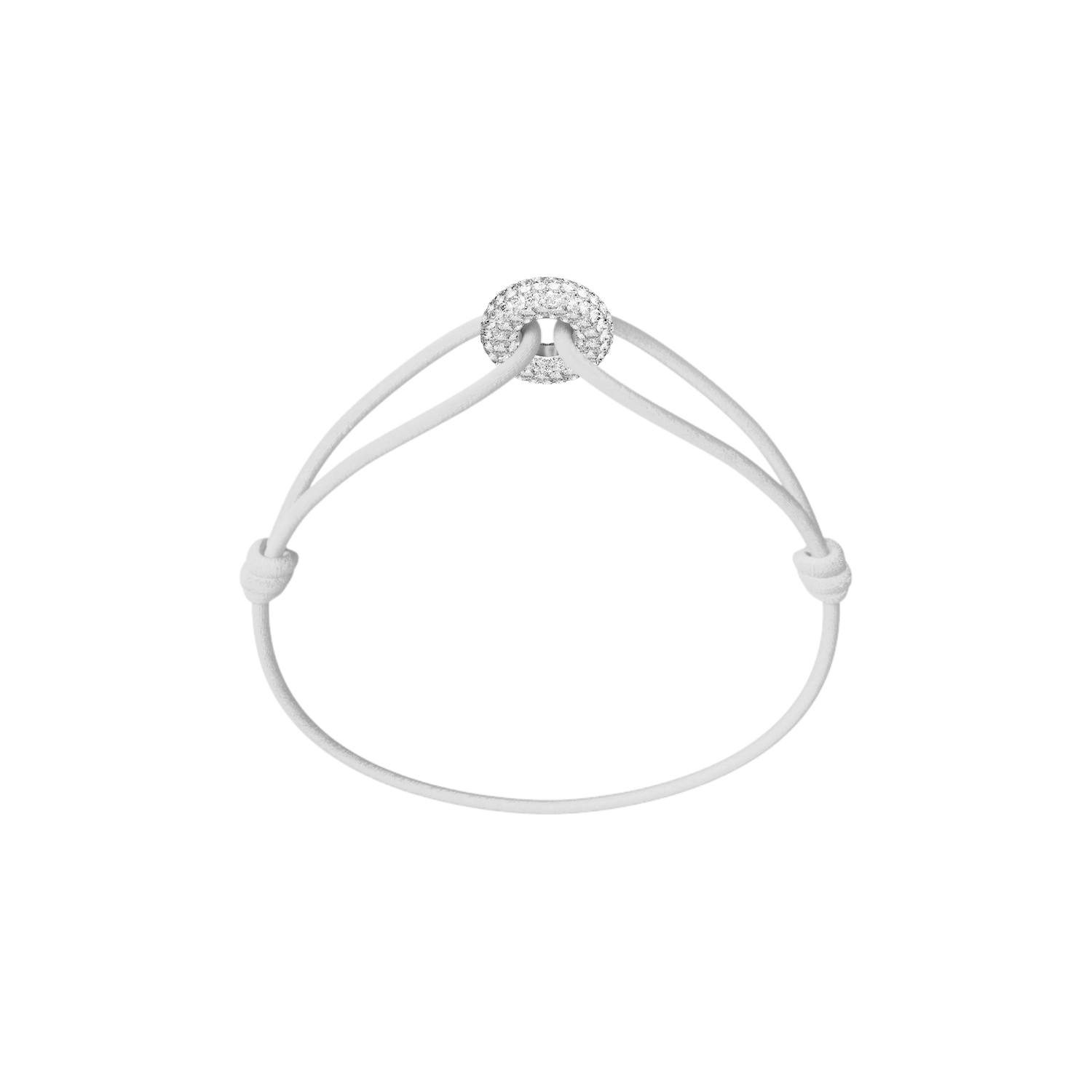
The Soho Pavé takes the Soho silhouette and sets it with lab grown diamonds across the charm. Diamonds have represented commitment, constancy, and brilliance for centuries, and the Soho Pavé combines that weight with the casual wearability of a cord bracelet.
Cord Bracelets as Gifts: What the Giving Means
The act of giving a cord bracelet has traditionally carried more meaning than giving almost any other piece of jewellery. Because the cord is tied, because it is meant to be worn daily, because it sits visibly on the wrist, a cord bracelet is a gift that asks to be lived with.
In the Brazilian wish bracelet tradition, the person tying the bracelet makes three wishes for the wearer before closing the knot. In Tibetan blessing cords, a specific prayer is said as the cord is tied. In modern gift giving, people often write a note alongside a cord bracelet explaining why they chose it, which turns the bracelet into a physical reminder of something the wearer read once and thought about often.
For a partner, the Heart Collection carries the most obvious meaning. For a parent or close friend, the Clover Collection or a named cord colour chosen for the recipient often works better. For a child, the gifts for kids range includes smaller cord bracelets built to child wrist sizes, traditionally seen as protection gifts from grandparents and godparents.
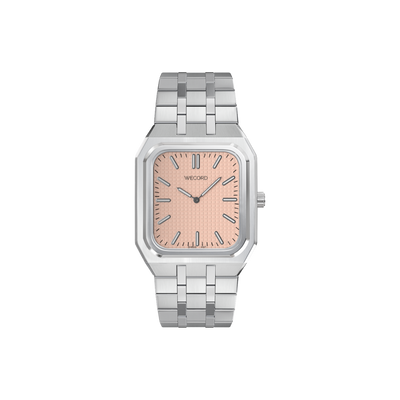
For a man, the Regent cord or a Soho silver cord paired with a Duke watch has become the standard Wecord gift combination, captured in the gifts for him range. For a woman, the gifts for her range includes the Heart, Clover, Soho Pavé, and the full spectrum of coloured Soho cords.
How to Wear a Cord Bracelet With Meaning
The simplest rule of cord bracelet wearing is that you do not take it off. Traditional cord bracelets were meant to stay on the wrist until they fell off naturally, which in the Brazilian fita tradition was the moment the wishes were believed to be granted. Modern cord bracelets can be removed and replaced using the sliding knot, but the philosophy of keeping one on for long stretches still holds.
Wearing multiple cord bracelets together is both beautiful and traditional. Stacking bracelets with different meanings (a red for protection, a gold for prosperity, a clover for luck) creates a personal mythology on the wrist. This is covered in detail in the bracelet stack guide, which walks through how to combine colours and styles.
For pieces that layer on the same wrist, the jewellery bracelets and chain bracelet collections work alongside cord pieces beautifully, adding variety of texture without competing.
How to Care for a Cord Bracelet
Cord bracelets are meant to be lived in, but a few small habits extend their life considerably. Keep the cord away from prolonged water contact. Showering occasionally is fine, but swimming in chlorine or salt water for hours weakens the cord over time. Perfume and moisturiser should go on before the bracelet does, not after. The oils in skincare products can discolour certain cord colours, particularly pale pink and white cords.
If the cord eventually frays at the knot, which happens naturally after a year or two of daily wear, the bracelet can often be repaired or the cord replaced by any jeweller. The silver or gold vermeil charm itself does not wear out. Only the cord does. This is part of the quiet wisdom of the cord bracelet format. The valuable part lasts indefinitely. The humble part reminds you that everything passes.
Frequently Asked Questions
What does a cord bracelet symbolise?
A cord bracelet traditionally symbolises protection, connection, and intention. The specific meaning depends on the colour of the cord and the culture the tradition comes from, but across almost every civilisation that has used cord bracelets, the idea is the same. A cord around the wrist is a visible reminder of something the wearer holds as important.
What does a red cord bracelet mean?
Red is the most universally meaningful cord colour. In Jewish Kabbalah it represents protection against the evil eye. In Chinese culture it symbolises luck, prosperity, and happiness. In Hindu tradition it is worn as a sacred bond. A red cord bracelet is traditionally given or worn for protection and good fortune. You can find red options across the Soho and Regent collections.
What does a black cord bracelet mean?
Black cord bracelets traditionally represent strength, protection from negative influences, and personal boundaries. Black is one of the most worn colours in the Wecord range because it pairs easily with almost any outfit while carrying quiet symbolism. The black Soho and black Regent are signature pieces for men and women alike.
Should a cord bracelet be taken off to shower?
It can stay on for a quick shower without damage, but removing it is kinder to the cord. Chlorine from treated water, hot water, and shower gel all weaken cord material over time. The sliding knot design on Wecord cord bracelets makes them easy to remove and replace, so the simple habit of taking it off before showering can add a year or more to the life of the cord.
Can men wear cord bracelets?
Absolutely. Cord bracelets have been worn by men across almost every tradition in history, from Tibetan monks to Roman soldiers to sailors in the British navy. The modern men's cord bracelet is one of the most popular styles in the UK, particularly paired with a watch. The Regent Collection is built specifically for men, and the gifts for him range features the most popular men's cord combinations.
Are cord bracelets religious?
Cord bracelets have religious roots in many traditions, but the modern cord bracelet is worn by people of all beliefs and none. The symbolism is cultural and personal rather than strictly religious. You can wear a red cord for protection, a clover for luck, or a heart for love without adopting any particular faith. The meaning is what you bring to it.
How long does a cord bracelet last?
The metal charm on a Wecord cord bracelet (sterling silver or 18K gold vermeil) lasts indefinitely with care. The cord itself typically lasts one to three years of daily wear before showing signs of fraying at the knot. At that point, the cord can usually be replaced at a jeweller while the charm stays the same, meaning the bracelet can essentially last a lifetime with occasional cord refreshes.
Why do Wecord cord bracelets have a sliding knot?
The sliding knot is a traditional adjustable knot used across Chinese, Celtic, and South Asian jewellery for centuries. It allows the bracelet to be tightened or loosened without cutting or opening the cord, which means one size fits essentially every wrist. This makes cord bracelets easier to gift and more comfortable to wear across seasons as wrist size naturally changes.
Can cord bracelets be stacked with watches?
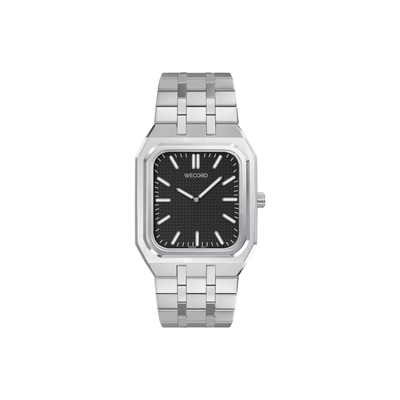
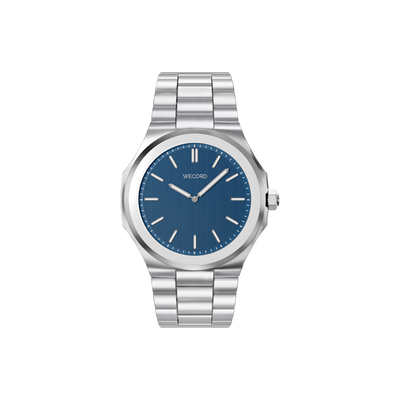
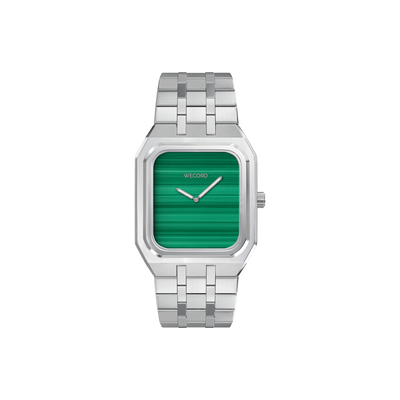
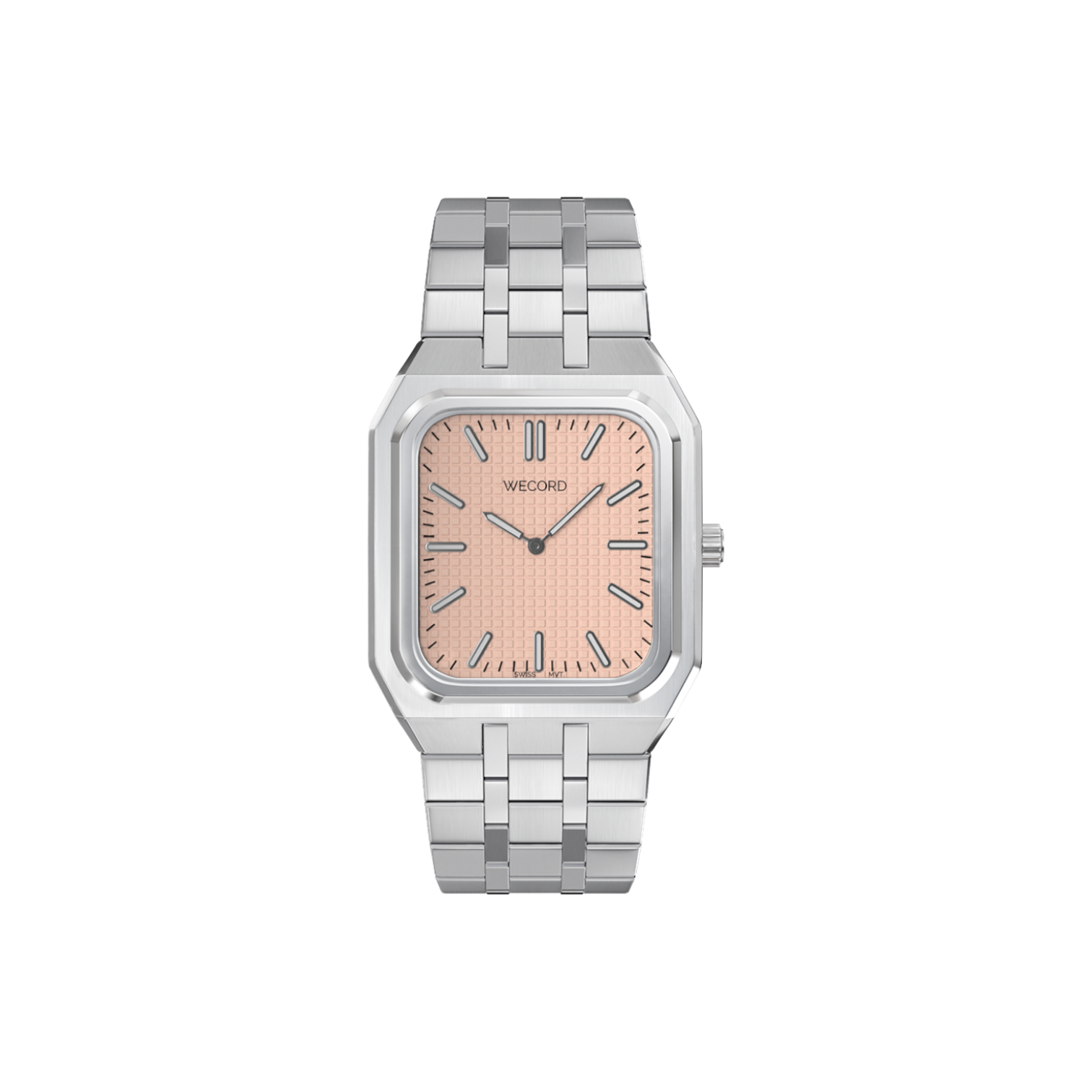
Yes, and this is one of the signature looks across the Wecord range. Wearing one or two cord bracelets on the same wrist as a watch creates the layered styling that defines modern men's and women's accessories. The Duke watch in particular, at 6mm thick, pairs beautifully with a Soho or Regent cord. The bracelet stack guide covers pairing in detail.
What is the best cord bracelet to give as a gift?
It depends on the person and the occasion. For a romantic gift, the Heart Collection. For luck or a milestone, the Clover Collection. For a partnership or anniversary, the Unity Collection. For understated daily style, the Soho Collection. For a man, the Regent Collection. The meaning you want to give is the starting point, and the collection follows from there.
Where can I see cord bracelets in person in the UK?
Visit the Wecord store at 60 Beauchamp Place in Knightsbridge, London. You can try on every cord colour, feel the weight of the silver and gold vermeil charms, and see how different pieces stack on your own wrist before committing. Full details on the find us page.
Read more
Open the back of a watch and you find the part nobody in the shop talks about. The movement. It is the mechanical heart that keeps the hands turning, and it is also the quietest honest signal of ho...
The tradition of giving a specific gift for each wedding anniversary goes back further than most people realise. The earliest examples come from medieval Germany, where husbands marked twenty five ...