







Gemstone Meanings: A Complete Guide to Natural Stones and What They Symbolise
Long before people cared about karats, they cared about stones. Every major civilisation in recorded history attached meaning to the colours buried in the earth, and that instinct has never really left us. What has changed is the context. In 2026, gemstones are back in the heart of mainstream UK jewellery because people are looking for pieces that mean something, not just pieces that shine.
The Wecord range uses natural gemstones across rings, cord bracelets, and watches, and each stone has been chosen for a specific reason. This guide walks through what every stone in the collection traditionally represents, the visual story it tells, and how to wear it in a way that feels right. The symbolism here comes from centuries of folklore and cultural tradition rather than science, so treat it as part of the joy of wearing jewellery rather than any medical claim.
Carnelian: The Stone of Action and Courage
Carnelian is the breakout gemstone of 2026, and once you see one in person it is easy to understand why. The colour is a deep orange red that warms the entire tone of whatever it touches. It is cut from chalcedony, a form of quartz, and historically it was one of the most prized stones across ancient Egypt, Rome, and the Islamic world. Warriors carried it into battle. Merchants kept it close during negotiations. Egyptian priests wore carnelian amulets shaped like the knot of Isis to give their work protection and power.
Today, carnelian tends to attract people who feel they have been treading water. If you are searching for the push to start something (a career move, a difficult conversation, a project that has been sitting half finished) carnelian is the stone traditionally associated with that kick of forward energy. That is why interest in carnelian jewellery has risen so sharply in the past year. People are buying it as a daily reminder to move.
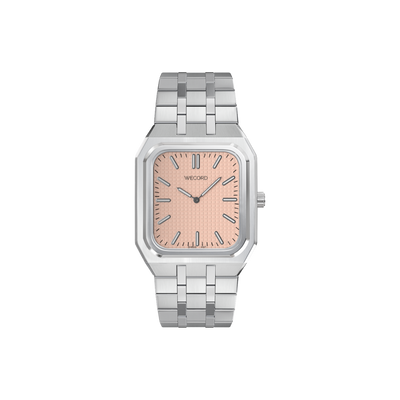
In the Wecord collection, carnelian appears in the Duke Watch Gemstones, where the whole dial is cut from a single slice of natural stone. The orange red against the silver or gold case creates a colour combination you rarely see on a watch, and because every dial is natural, no two pieces are exactly alike.
Onyx: The Stone of Protection and Focus
Onyx is pure, polished black. It is one of the oldest stones used in jewellery, with Roman senators wearing onyx rings as seals and early Christian pieces featuring carved onyx crosses. The colour is what makes it meaningful. Black has always represented protection, strength, and the setting of boundaries, and onyx is the stone most traditionally associated with those qualities.
People gravitate to onyx during periods that demand focus. Exam season. An intense project at work. A stretch of life when you need to filter out noise and concentrate on what is in front of you. The Victorians wore onyx during mourning, but modern wearers tend to choose it for something closer to armour. It is the stone you put on when you want to feel composed.
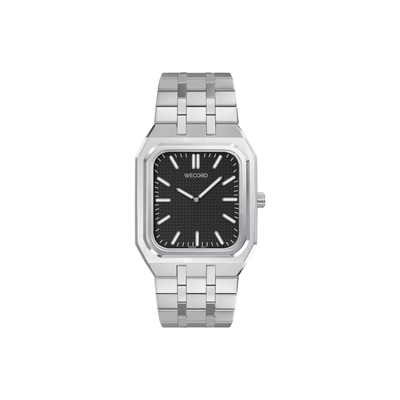
The Atlas Collection features onyx as one of its three natural stone options, set into 925 sterling silver rings finished in either rhodium or 18K gold vermeil. The black stone against the gold frame is one of the strongest looks in the entire collection, and it pairs beautifully with cord bracelets in darker tones. Onyx also appears as a dial option in the Duke Watch Gemstones range.
Tiger's Eye: The Stone of Confidence and Clarity
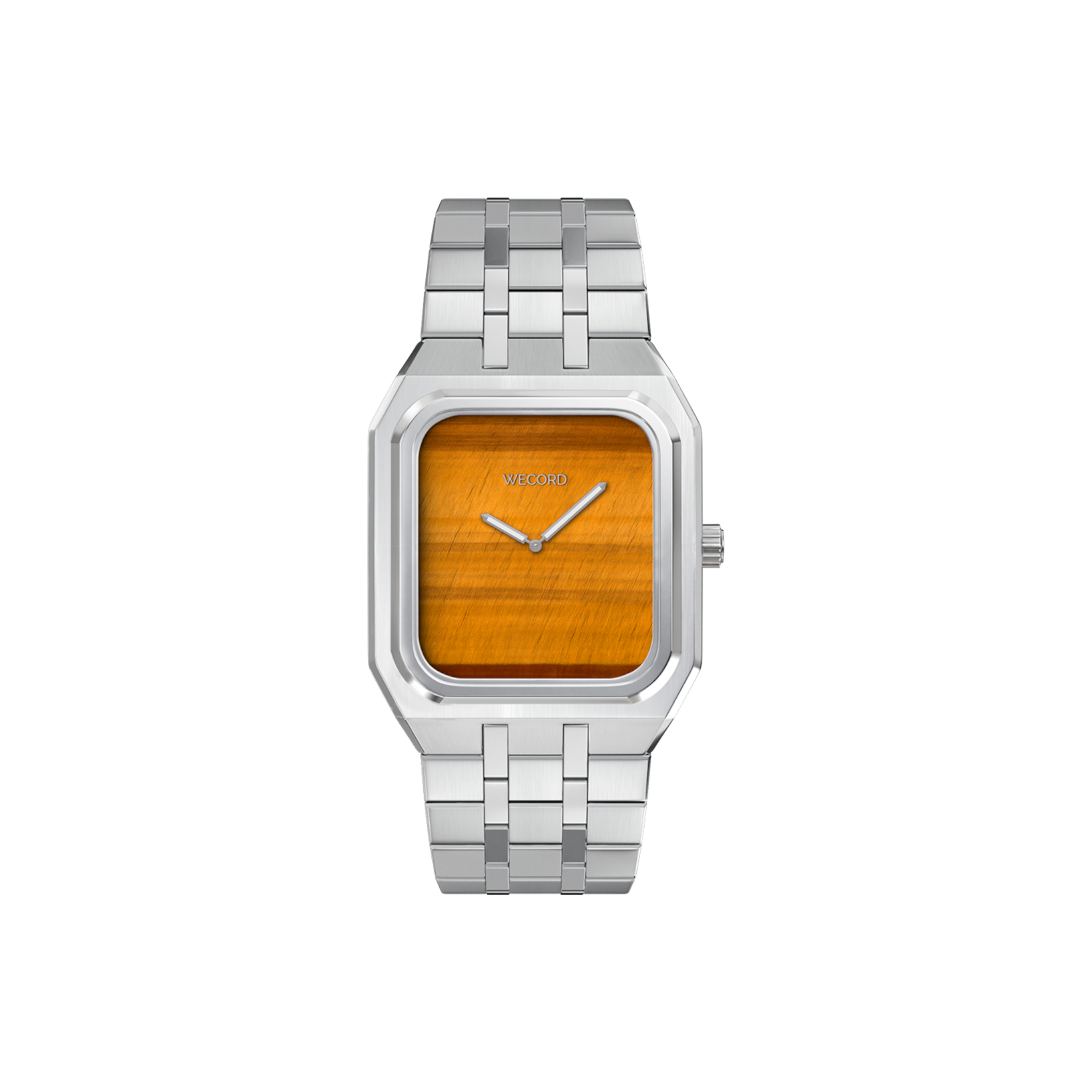
Tiger's eye is a mesmerising stone with bands of golden brown and honey that shift as the light moves across them. The optical effect is called chatoyancy and it is created by parallel fibres of quartz that reflect light in a way no other stone does. Holding a tiger's eye in sunlight is the easiest way to understand why it has been prized for thousands of years.
Tiger's eye is traditionally the stone of confidence, courage, and practical decision making. The Romans gave tiger's eye amulets to soldiers, believing the stone granted both the bravery to face battle and the clarity to make the right call under pressure. That dual quality is what keeps tiger's eye popular today. It is not about pure aggression or pure calm. It is about the ability to act with a clear head.
In the Atlas Collection, tiger's eye is the warmest of the three gemstone options. The golden brown pairs naturally with the 18K gold vermeil setting, giving the ring a tonal warmth that works beautifully against warmer skin. For men in particular, the tiger's eye Atlas ring has become one of the most requested gift pieces, which is why it sits at the centre of the gifts for him range.
Lapis Lazuli: The Stone of Wisdom and Truth
Few stones carry the history of lapis lazuli. The deep midnight blue stone, flecked with tiny gold pyrite inclusions that look like stars scattered across a night sky, has been mined in Afghanistan for over six thousand years. It was ground into the ultramarine pigment that Vermeer and Michelangelo reserved for the most important blues in their paintings. It was carved into the funerary mask of Tutankhamun. It was called the stone of kings in ancient Persia.
Lapis is traditionally associated with wisdom, truth, and inner knowing. It is the stone people have historically turned to when they needed to see through confusion, to speak honestly, or to trust their own judgement. The gold flecks give the stone a quiet depth, as though something older is visible if you look long enough.
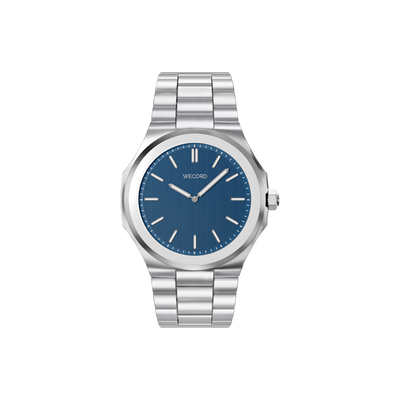
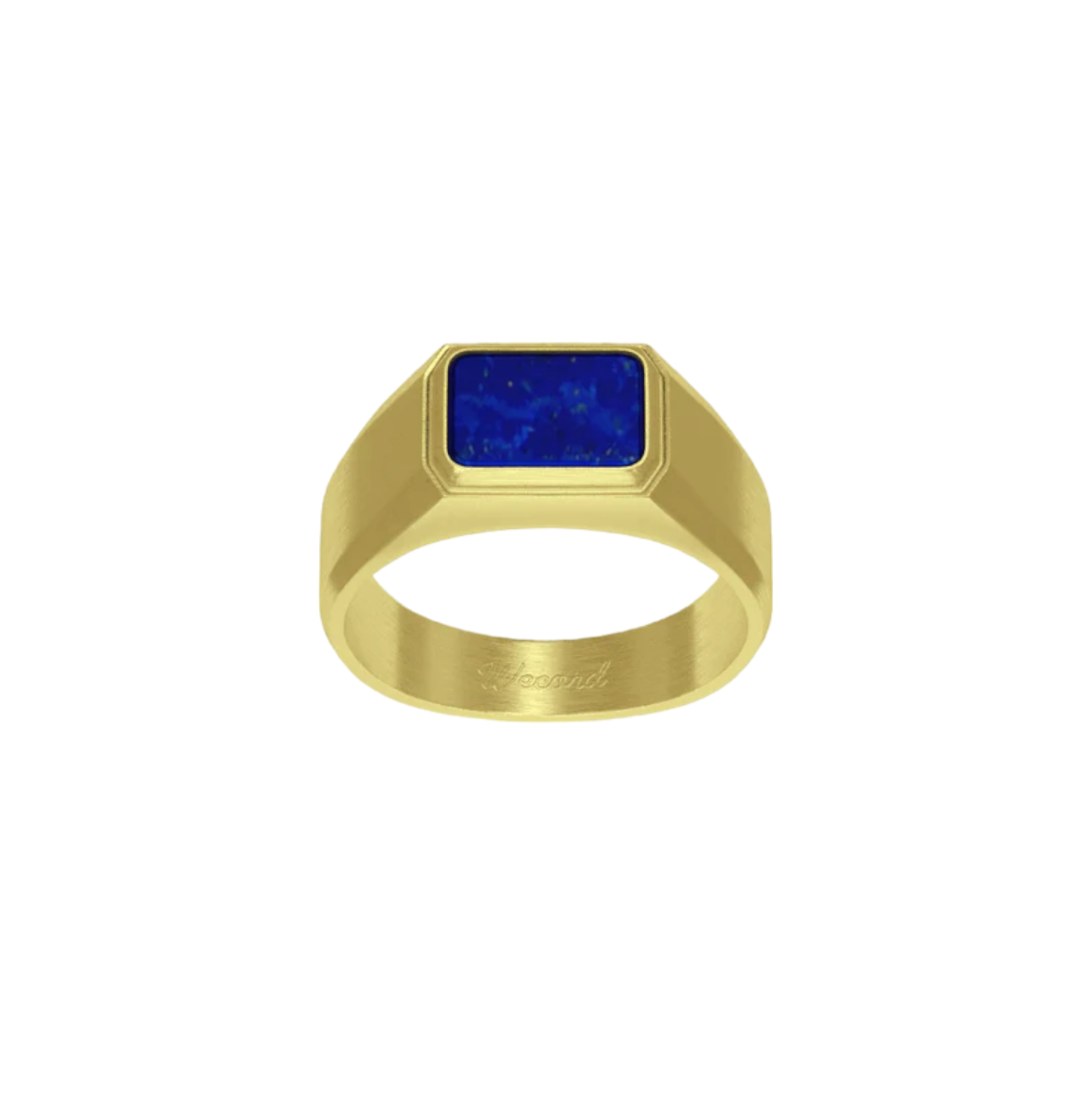
In the Atlas Collection, lapis lazuli is the most striking of the three natural stone options. Every stone is unique because the gold pyrite inclusions form differently in every piece, so you are essentially wearing a sky pattern that exists only on your ring. The deep blue pairs particularly well with silver rhodium plated settings, though the gold vermeil version is equally beautiful. Lapis also appears in the Duke Watch Gemstones as one of the dial options.
Green Agate: The Stone of Growth and Balance
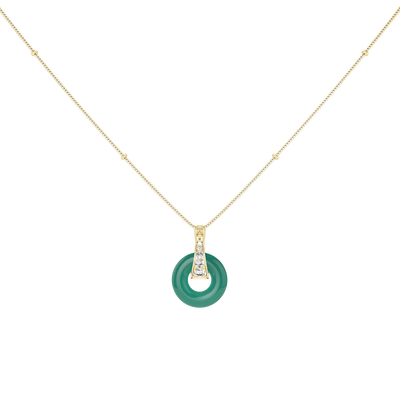
Agate is a form of banded chalcedony, a relative of quartz, and it comes in dozens of colours depending on the trace minerals present when the stone formed. Green agate, specifically, is associated with growth, emotional balance, and new beginnings. The colour sits somewhere between jade and emerald, with gentle banding that gives each stone its own character.
Green has always been the colour of renewal. It is the shade of spring, of young leaves, of the natural world returning. Green agate has historically been given at moments of change (a new job, a house move, a major life step) because it is believed to support clear thinking and steady progress through transitions.
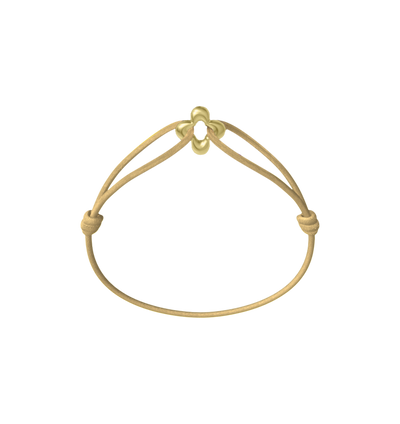
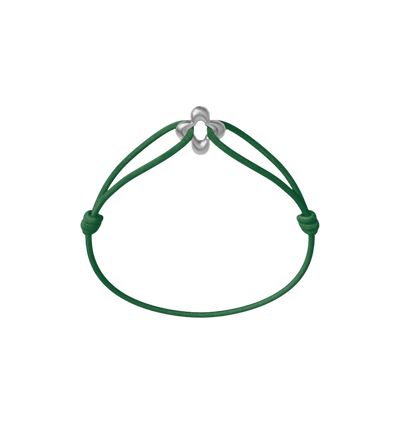
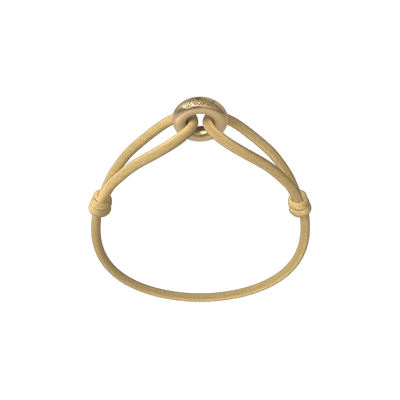
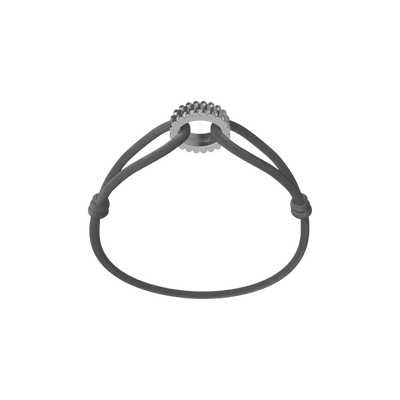
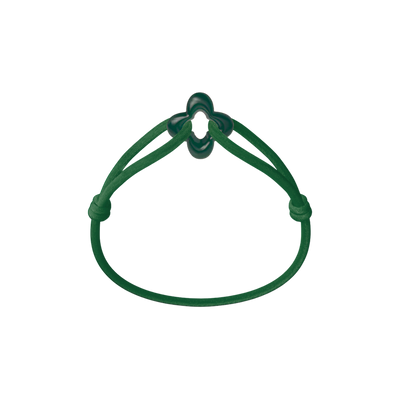
Green agate features as a gemstone option across the Wecord cord bracelet range, where it brings a natural, earthy element to the signature Wecord cord format. It is a particularly popular choice for gifts because the meaning translates easily, and it works across formal and casual settings.
Jade: The Stone of Luck and Harmony
Jade occupies a place in Chinese culture that no other stone matches. For over seven thousand years it has been considered the imperial stone, the symbol of virtue, prosperity, and long life. Confucius wrote that jade represented the eleven virtues a good person should hold. It was placed in emperors' tombs, carved into imperial seals, and passed through families as the most precious of all heirlooms.
The meaning of jade has stayed remarkably consistent across cultures. It is the stone of luck, harmony, and gentle protection. Where carnelian pushes you forward and onyx defends, jade simply keeps things in balance. It is the quiet stone, the one you wear every day without noticing it, but feel the absence of when you take it off.
Jade appears in Wecord's gemstone range in specific pieces across cord bracelets and watches, where the soft green is set against either silver or gold for a subtle, composed look. The wider jewellery range uses natural stones in a way that lets the material speak for itself rather than overdesigning around it.
Malachite: The Stone of Transformation
Malachite is the most recognisable of all green stones. The surface is swirled with darker and lighter bands that look almost painted by hand, and no two pieces are the same. It has been mined in Egypt since the time of the pharaohs, and in Russia it was used so extensively in palace interiors that it became associated with imperial wealth. The Winter Palace in Saint Petersburg still has a room lined in malachite panels.
The meaning attached to malachite is change. Where jade is harmony, malachite is the stone for people actively in transition, for the moments when you are letting go of old patterns and moving toward something new. The swirled pattern is part of the symbolism, as though the stone is showing the turbulence of change becoming something beautiful.
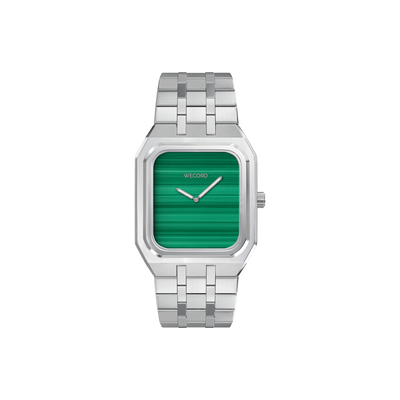
Malachite appears as a Duke Watch Gemstones dial option, where the full pattern of the natural stone is visible across the face of the watch. It is one of the most distinctive dials Wecord produces, and because every slice of stone is natural, every Duke Malachite wears a slightly different version of the pattern.
Blue Agate and Howlite: The Calming Stones
Blue agate, also known as blue lace agate, is a pale blue stone with delicate white lines running through it. It is traditionally the stone of calm communication, associated with speaking clearly and listening well. It is often given to people about to start a new phase at work or move into a role that requires more presence and clarity.
Howlite is another quiet stone in the range, pure white with grey veins that echo marble. It is traditionally the stone of patience, linked to helping the wearer feel less reactive and more measured. Both blue agate and howlite work particularly well in cord bracelets because the paler stones contrast beautifully with the darker cord colours.
White Agate and Coral
White agate is associated with clarity and a fresh start. It is a gentle, neutral stone that suits people who prefer their jewellery understated. Coral, while technically an organic material rather than a mineral, has been used in jewellery for thousands of years and traditionally symbolises protection, especially for children. Both materials appear in select Wecord pieces where the natural look fits the design.
Diamonds and Lab Grown Diamonds
Diamonds sit slightly apart from the natural stone family because they are the hardest material on the mineral scale and their meaning is more universally known. The diamond has symbolised constancy, strength, and unbreakable commitment for centuries, which is why it became the stone of engagement rings. In the Wecord range, lab grown diamonds appear across the Soho Pavé pieces and several Duke watch dials. Lab grown diamonds are chemically identical to mined diamonds but produced above ground without the environmental impact. You can read more in the full guide to lab grown diamonds.
How to Choose Your Stone
The simplest approach is to trust what you keep returning to. If your eye keeps landing on the orange red of carnelian, that is meaningful in itself. You tend to be drawn to what you need at a given moment. If black feels right, it usually is. If the gold flecks in lapis keep catching your attention, that is the stone.
For a gift, think about what the person is moving through. Someone starting a new job or recovering from a hard year might respond to carnelian or malachite. Someone in a stressful period might find more meaning in lapis or blue agate. Someone who just feels like themselves and wants a piece to mark that would suit jade or green agate.
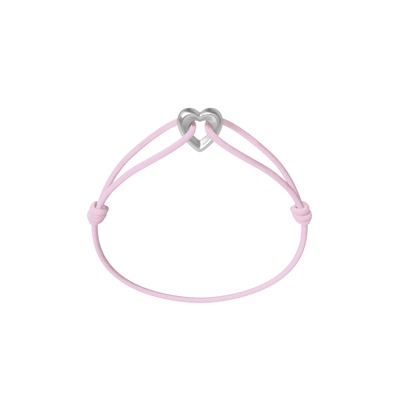
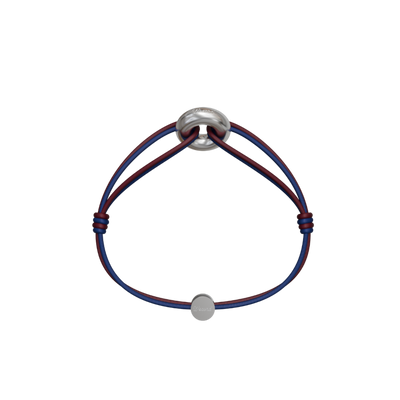
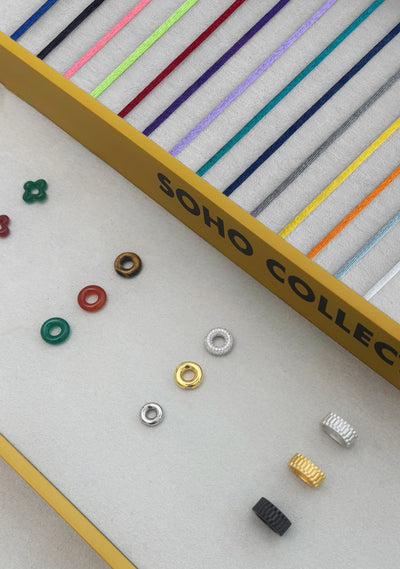
For a first gemstone piece, the Atlas ring is the easiest entry point because you can choose between onyx, tiger's eye, and lapis lazuli in a single sterling silver setting. For something more personal to wear every day, a cord bracelet with a gemstone charm sits lighter on the wrist and pairs with whatever else you already own. For a statement piece, the Duke Gemstones watch puts the stone front and centre across the full watches range. For a birthday, browse the full birthday gifts for her or gifts for her selections, both of which include gemstone pieces.
How to Wear and Care for Natural Gemstones
Natural stones are harder than most people assume but softer than metal. They can scratch or chip if knocked hard, so avoid wearing gemstone rings to the gym or while doing manual work. Storing gemstone pieces separately in a soft pouch protects them from scratches during daily life.
Cleaning is straightforward for most stones. Warm water, a drop of mild soap, and a soft cloth is enough. Avoid ultrasonic cleaners, harsh solvents, or strong polishing compounds, because some stones (particularly malachite and lapis) are softer and can be damaged by aggressive cleaning. Dry the piece fully before putting it back on.
As with all jewellery, the order of getting ready matters. Perfume, moisturiser, and suncream applied directly onto the stone will dull the surface over time. The habit of putting jewellery on last, after all your products have dried, extends the life of any gemstone piece significantly. The same applies to the rings more generally and to watches with natural stone dials.
Frequently Asked Questions
Are the gemstones in Wecord jewellery natural?
Yes. Every gemstone used in the Wecord range is a natural stone, which means every piece is slightly different in colour, pattern, and inclusions. The only laboratory made stones in the collection are the lab grown diamonds used in the Soho Pavé and the diamond Duke pieces.
What is the difference between onyx and black agate?
Both are forms of chalcedony, a type of quartz, but onyx has straight parallel banding while agate has curved or irregular banding. In the jewellery world, pure black stones are almost always sold as onyx. The stones in the Atlas Collection are onyx.
Which gemstone is best for men?
Onyx and tiger's eye are the two most popular gemstone choices for men's jewellery. Onyx works for anyone who wants a classic, understated look in black. Tiger's eye adds warmth and character without being showy. Both appear in the Atlas rings and in the Duke Watch Gemstones dial options. Browse the full gifts for him range for more.
Do gemstones really have healing properties?
The traditional meanings attached to gemstones come from folklore, cultural history, and spiritual traditions, not from scientific evidence. Many people find real value in the symbolism as a daily reminder or personal intention, but gemstones are not a substitute for medical advice. Wear them because you love how they look and what they represent to you.
What gemstone is good for a birthday gift?
Match the stone to the person rather than the birth month. For someone starting something new, carnelian. For someone needing focus, onyx. For someone going through change, malachite. For someone who just wants something beautiful and meaningful, the Atlas ring in their preferred stone is the easiest gift. The full birthday gifts for her range includes several gemstone pieces.
Can I shower or swim with gemstone jewellery?
It is best not to. Water itself is fine, but soap, shampoo, chlorine, and salt water all affect both the stone and the metal setting over time. Removing gemstone pieces before showering or swimming significantly extends their life. This applies across cord bracelets, rings, and watches with stone dials alike.
Do natural stones fade over time?
Most natural stones are extremely stable. However, some stones (particularly amethyst and certain forms of agate) can fade when exposed to direct sunlight for extended periods. For the stones used in Wecord pieces (carnelian, onyx, tiger's eye, lapis lazuli, jade, malachite, green agate) fading is not typically a concern with normal daily wear and reasonable storage.
Is tiger's eye the same as tiger eye?
Yes, the two spellings refer to the same stone. Tiger eye is the standard spelling used across the jewellery industry in product titles because it is shorter. In writing about the stone's history and meaning, tiger's eye is more traditional. You will see tiger eye used on the Wecord product pages.
Where can I see the gemstone pieces in person?
Visit the Wecord store at 60 Beauchamp Place in Knightsbridge, London to see the full range of natural stones side by side. Photographs cannot capture the depth and individuality of a real gemstone the way wearing one does. The team can walk you through the options and help you find the stone that feels right. Full details on the find us page.
Read more
Walk into any UK jeweller and you will see the same words printed on different price tags. Gold plated. Gold vermeil. Gold filled. Solid gold. Sterling silver. They all look similar under shop lig...
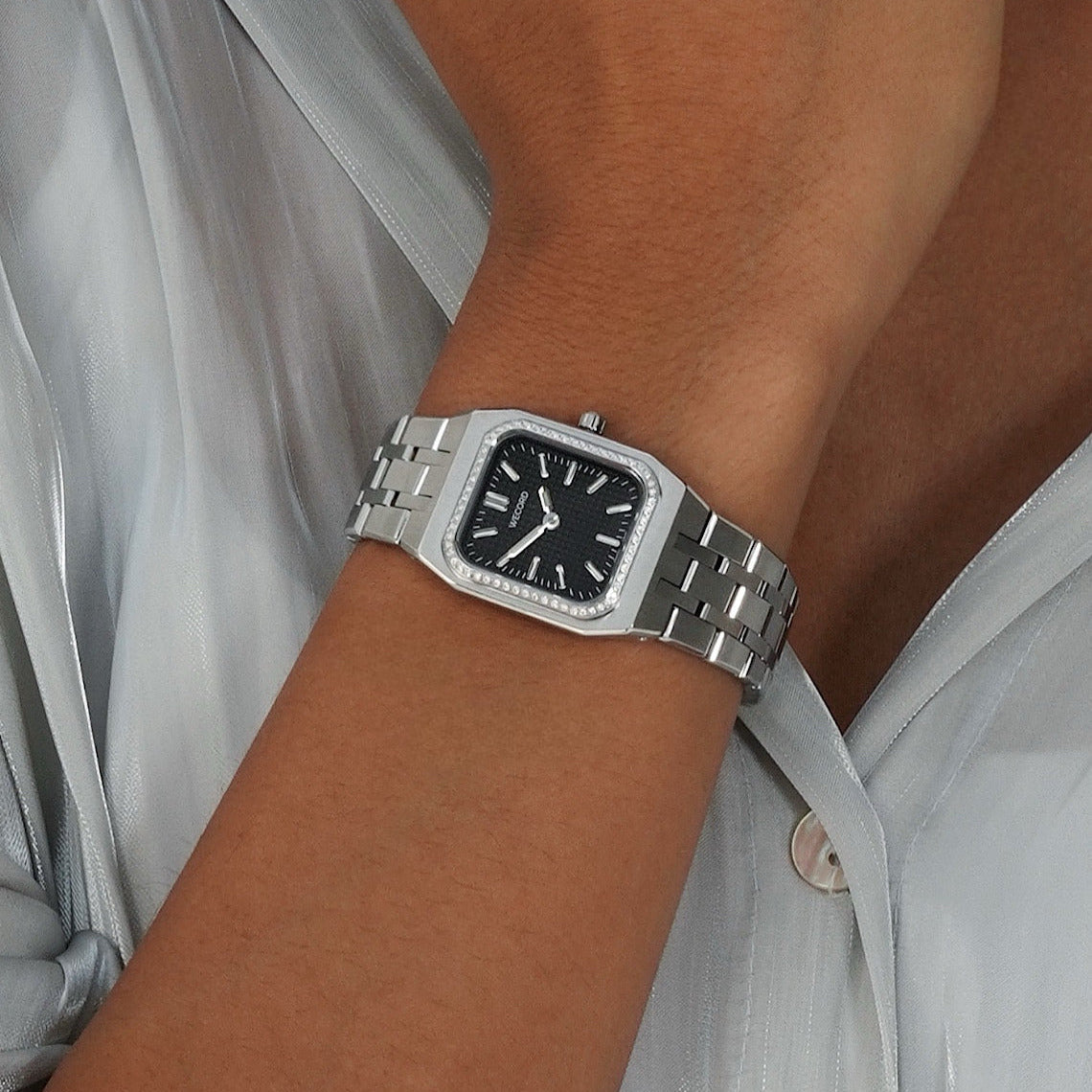
Open the back of a watch and you find the part nobody in the shop talks about. The movement. It is the mechanical heart that keeps the hands turning, and it is also the quietest honest signal of ho...