







How to Choose the Right Watch Size for Your Wrist
Buying a watch online is exciting right up to the moment you start thinking about size. Will a 41mm case look too big on your wrist? Will a 35mm look too small? Does thickness matter as much as width? And what do those numbers actually mean when the watch is on your arm rather than on a screen? These are the questions that cause more hesitation than any other part of the watch buying process, and they are completely valid. A watch that is the wrong size for your wrist will never feel right no matter how beautiful it is. A watch that fits perfectly becomes something you forget you are wearing until someone compliments it. This guide covers everything you need to know to choose the right watch size with confidence, whether you are buying for yourself or as a gift.
Understanding Watch Measurements
When a watch is described as "41mm" or "35mm," that number refers to the case width, which is the horizontal measurement across the face of the watch from one side to the other, not including the crown (the small dial on the side used to set the time). This is the primary number that determines how large or small the watch appears on your wrist. But case width alone does not tell the whole story. Case thickness (how tall the watch sits off your wrist), lug to lug distance (the vertical measurement from the top of the case to the bottom, including where the strap attaches) and weight all contribute to how a watch actually feels and looks when you are wearing it. Two watches with the same case width can feel completely different on the wrist if one is 12mm thick and the other is 6mm thick. The thicker watch will stand away from your skin and feel more prominent. The thinner watch will sit flat and feel like a natural extension of your wrist.
How to Measure Your Wrist
Before choosing a watch size, it helps to know your wrist circumference. The easiest way to measure this is to wrap a flexible tape measure around your wrist just above the wrist bone, where a watch would naturally sit. If you do not have a tape measure, wrap a piece of string around your wrist and then lay it flat against a ruler. Most adult wrists fall between 14cm and 20cm in circumference. Knowing your measurement helps you understand which general size range will suit you, but it is not an exact science. Personal preference, the style of the watch and how you like your accessories to feel all play a role. Some people with smaller wrists love a larger watch because they want it to be the focal point of their outfit. Others with larger wrists prefer a more compact watch because they find it more comfortable. The measurement is a starting point, not a rule.
Watch Size by Wrist Circumference
As a general guide, here is how case width tends to work across different wrist sizes. For wrists measuring 14cm to 16cm, a case width between 28mm and 36mm typically creates the most balanced look. For wrists measuring 16cm to 18cm, a case width between 34mm and 42mm works well. For wrists measuring 18cm to 20cm and above, case widths of 40mm and larger tend to sit in proportion. These are guidelines rather than strict rules and they apply mainly to round watches. Rectangular and square watches often wear differently because the case shape distributes the visual weight across a wider area, meaning a 35mm rectangular watch can appear larger on the wrist than a 35mm round watch despite having the same nominal measurement.
Why Case Thickness Matters More Than You Think
Case thickness is the measurement that most watch buyers overlook and the one that has the biggest impact on daily wearability. A watch that is 10mm or 12mm thick will sit noticeably off the wrist, catching on shirt cuffs, bumping against surfaces and making its presence felt throughout the day. A watch that is 6mm thick will sit flat against the skin, slide under a cuff without resistance and wear so comfortably that you stop noticing it within minutes. This is why ultra thin watches are so highly prized in watchmaking. Thinness is not just an aesthetic choice. It is a functional one that determines whether a watch becomes something you put on every morning without thinking or something you leave in a drawer because it feels like too much effort.
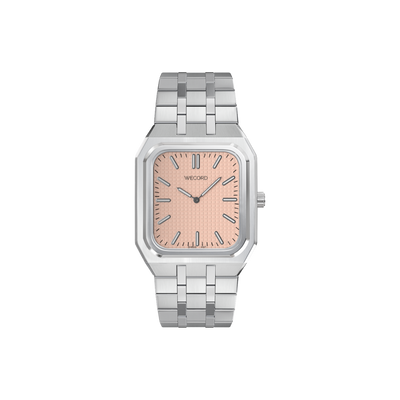
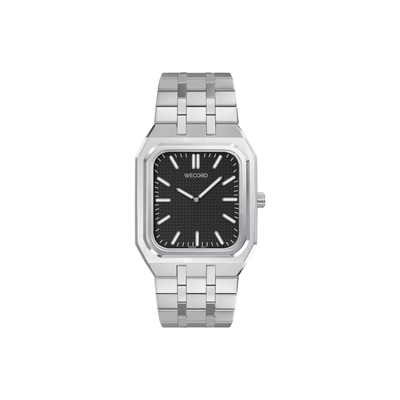
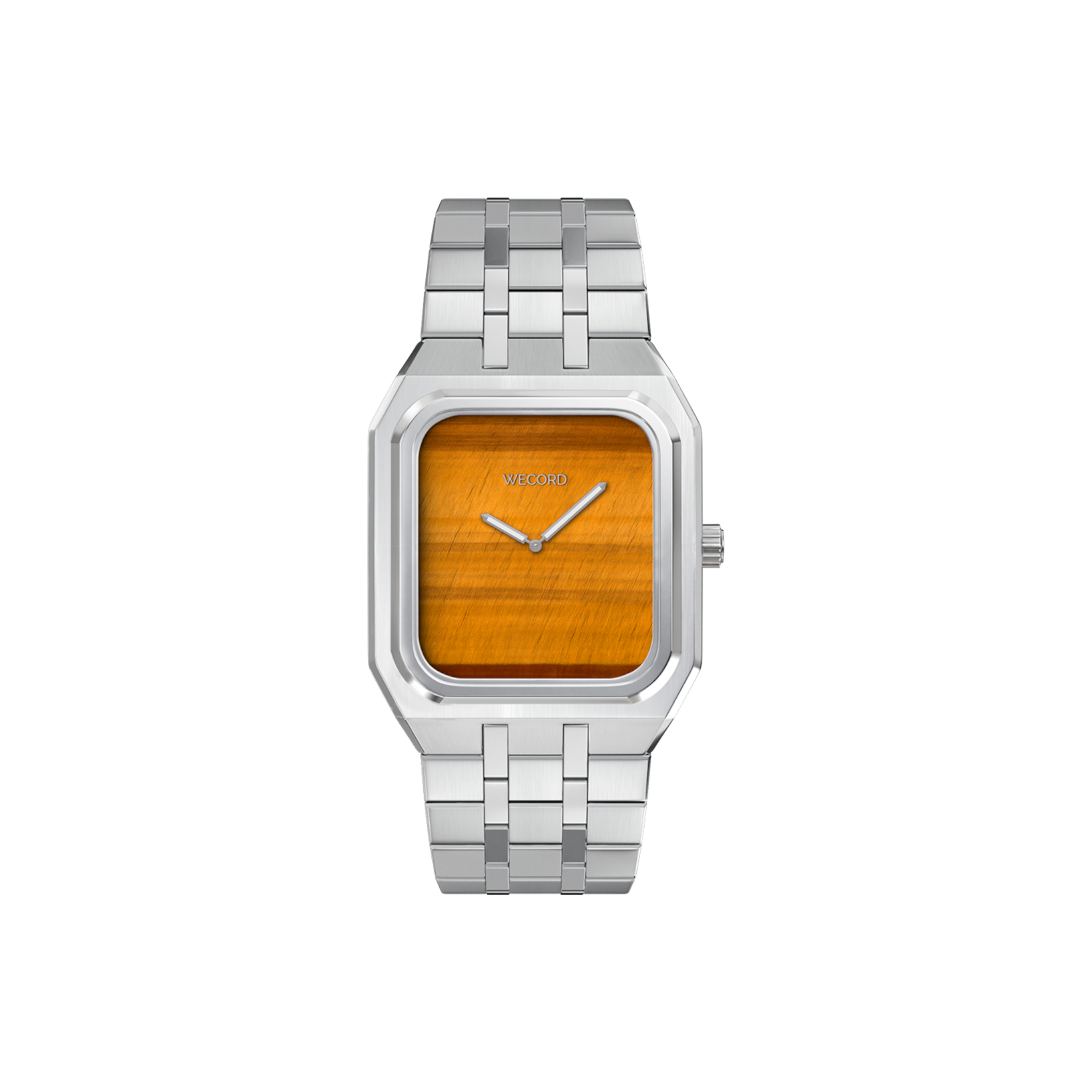
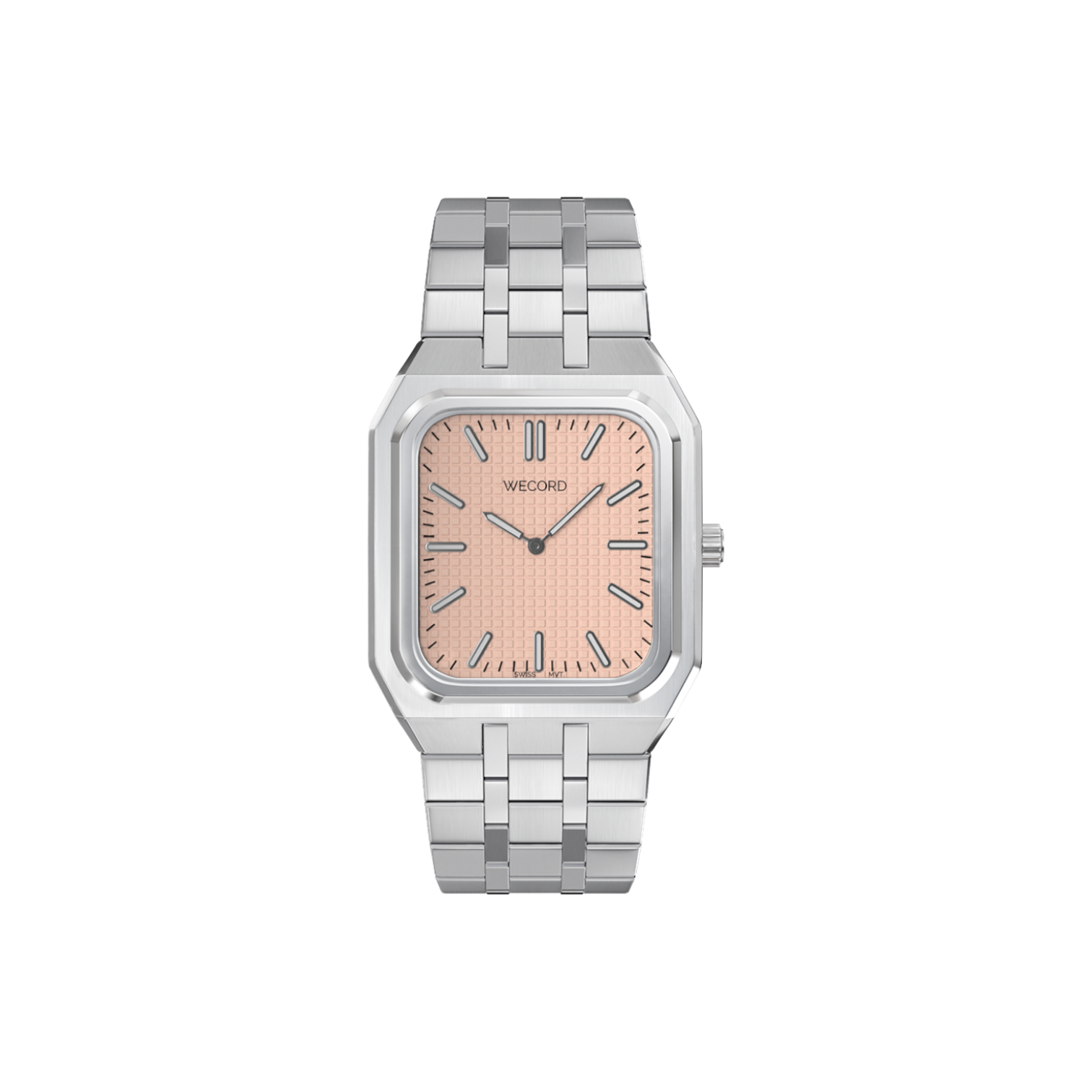
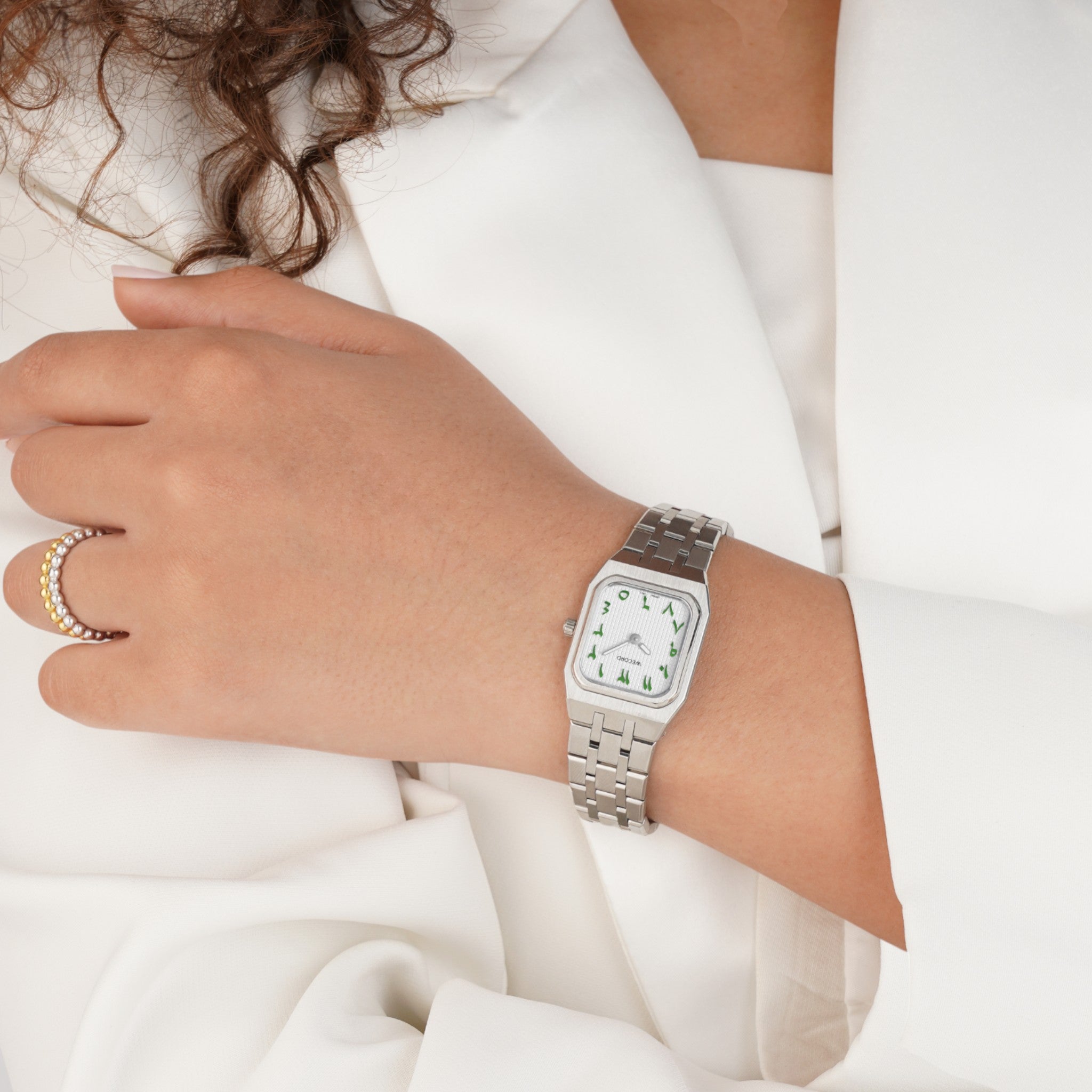
The Duke Collection from Wecord is built around this principle. Both the large model at 41mm by 32mm and the small model at 35mm by 24mm share the same ultra thin profile of just 6mm. This makes the Duke one of the slimmest watches available at any price point and is the single biggest reason it wears so comfortably on wrists of all sizes. At 6mm, the Duke sits flat enough to disappear under a tailored shirt cuff, which is a test that many watches in the same price range simply cannot pass.
Weight and How It Affects Comfort
Weight is the third dimension of watch sizing that most guides forget to mention. A heavy watch on a small wrist can feel fatiguing over a full day, pulling at the skin and constantly reminding you it is there. A lighter watch disappears. The Duke small model weighs 74 grams, which is light enough to wear all day without any wrist fatigue. The Duke large model weighs 105 grams, which is heavier but still very manageable because the weight is distributed across the rectangular case rather than concentrated in a thick round puck. The Oliver small model at 30mm weighs 81 grams, slightly heavier than the Duke small because of its integrated metal bracelet, but the bracelet distributes that weight across a wider area of the wrist so it does not feel concentrated at a single point. When choosing between two watches, picking one up and feeling its weight tells you more about how it will wear daily than any measurement on a spec sheet.
Rectangular vs Round: How Shape Affects Perceived Size
This is where things get interesting and where many online size guides fall short. A rectangular or square watch does not wear the same as a round watch of the same nominal width. The Duke small at 35mm by 24mm appears more compact than a 35mm round watch because the narrower 24mm dimension creates a slimmer footprint on the wrist. The eye reads the shorter dimension as the width, which makes the rectangular watch feel proportionally smaller and more refined. Conversely, the Duke large at 41mm by 32mm appears more substantial than a round 40mm watch because the rectangular shape covers more vertical area on the wrist. This means rectangular watches generally give you more flexibility in size selection. You can go slightly larger than you would with a round watch without it looking oversized, or slightly smaller without it looking undersized. It is one of the advantages of the rectangular format that makes the Duke work across such a wide range of wrist sizes.
Choosing Between the Duke Small and Duke Large
The Duke is available in two sizes and understanding which one suits you comes down to three factors: your wrist size, your style preference and how you intend to wear the watch.
The Duke small at 35mm by 24mm and 74 grams is the choice for those who want a watch that reads as refined jewellery on the wrist. It is the more popular option among women and among men with slimmer wrists or a preference for understated accessories. At £290, it is also the most accessible entry into the Duke collection. The compact proportions mean it works in every setting from a formal meeting to a casual weekend without ever feeling like too much. The Pink dial option is exclusive to the small model and has become one of the most popular choices for women.
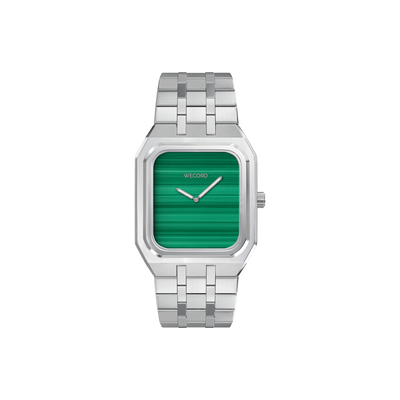
The Duke large at 41mm by 32mm and 105 grams is the choice for those who want their watch to have a visible presence on the wrist. It is the default choice for most men and for women who enjoy the oversized watch aesthetic. At £370, it offers a larger dial that gives the textured 3D surface and the hour markers more room to breathe, which many people find more visually engaging. The Salmon dial option is exclusive to the large model and has become a standout choice for those who want something distinctive. The Duke Gemstones at £390 with its natural stone dials in Tiger's Eye, Malachite, Lapis Lazuli and Onyx is available only in the large model.
Choosing the Right Oliver Size
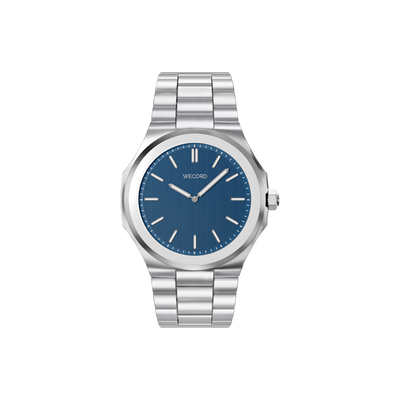
The Oliver Collection follows a similar two size structure. The Oliver small at 30mm is the most compact watch in the Wecord range and sits beautifully on smaller wrists. The integrated metal bracelet gives it a polished, dressy quality that makes the 30mm case feel more substantial than its dimensions might suggest. The Oliver large at 40mm is a mid sized round watch that suits the widest range of wrist sizes and is the most versatile option for those who want a round dial with contemporary energy. Both share the same 6mm ultra thin profile and Swiss Ronda 1062 movement. The Oliver with Diamonds adds lab grown diamond markers to the dial in both sizes for those who want their watch to carry more sparkle.
Buying a Watch as a Gift When You Do Not Know the Wrist Size
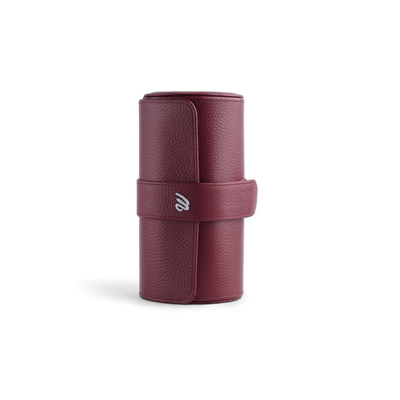
If you are buying a watch as a gift and you do not know the recipient's wrist size, the Duke small at 35mm by 24mm is the safest choice. Its compact dimensions work on almost any wrist, its ultra thin profile makes it universally comfortable, and its rectangular shape means it reads as properly proportioned on both smaller and larger wrists. The 15 day return and exchange policy at Wecord also means the recipient can exchange for the large model if they prefer more presence. For gifting, the Duke with Diamonds at £370 and the Duke Gemstones at £390 are the most popular choices because the diamond markers and natural stone dials add a visual element that makes the gift feel special beyond just the act of giving a watch. Pair a watch with a Kensington leather watch roll for a complete gift that covers both the timepiece and how it is looked after. Browse gifts for him and gifts for her for more curated watch and accessory combinations.
Pairing Your Watch with Cord Bracelets
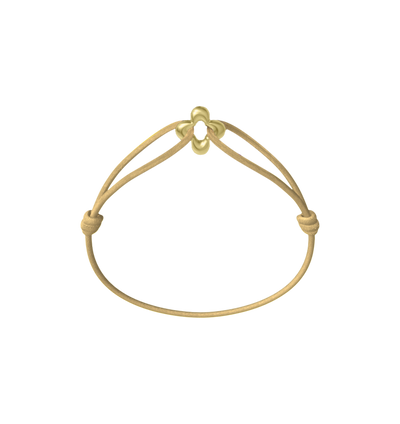
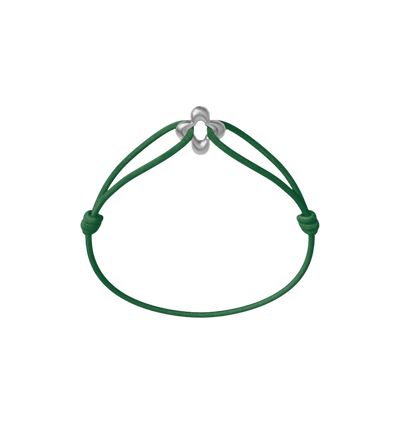
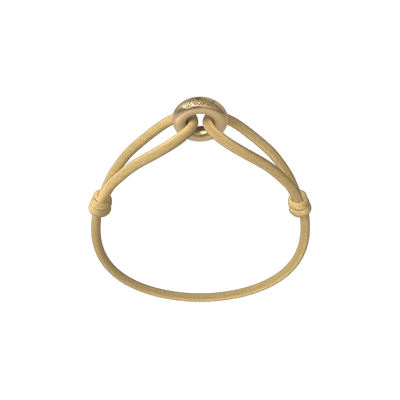
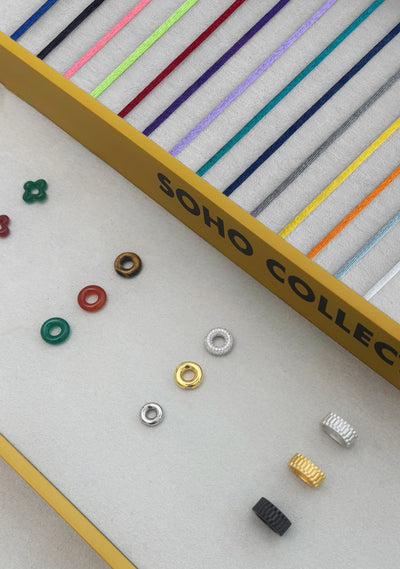
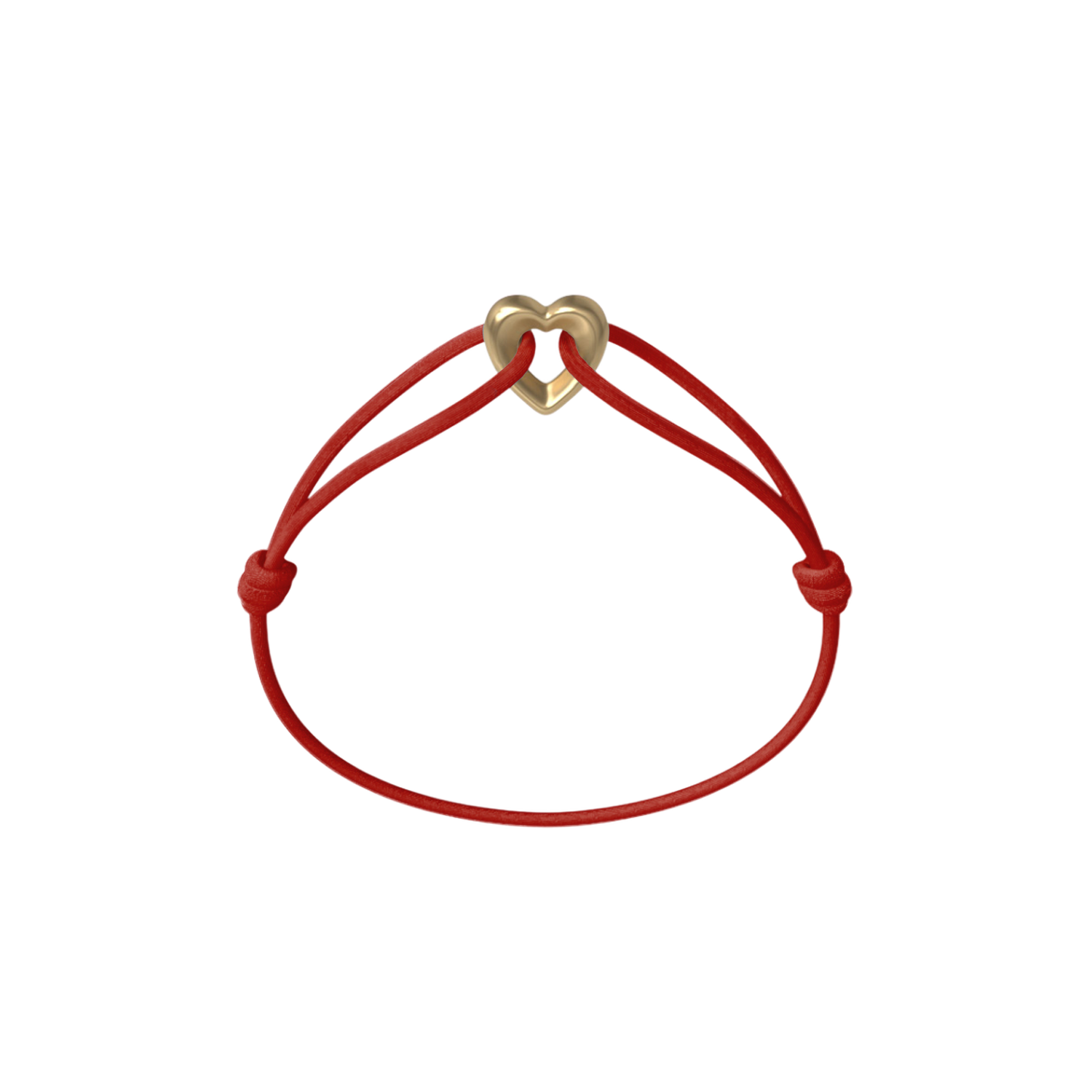
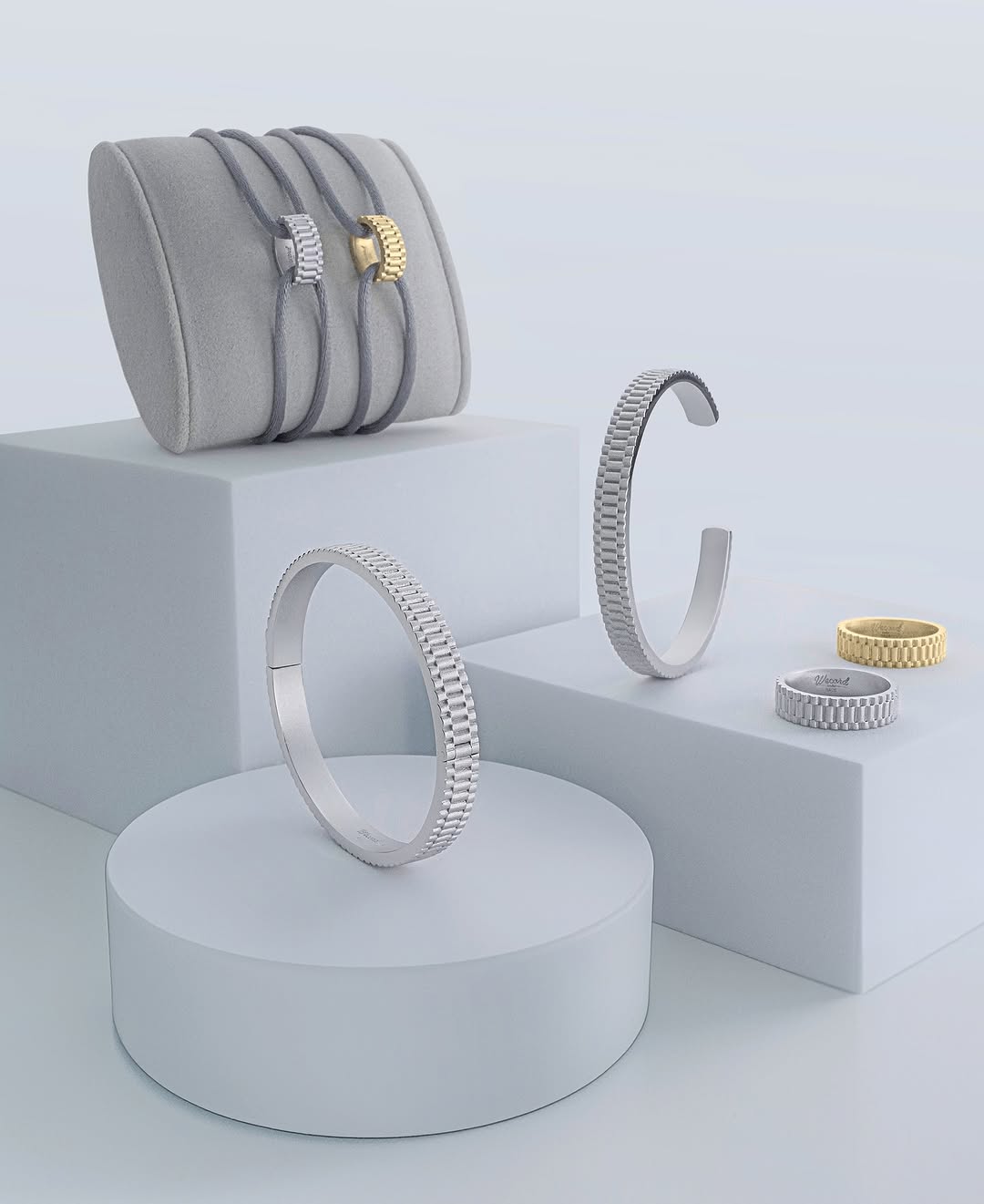
The size of your watch affects how well it pairs with cord bracelets on the same wrist. A thicker watch can overwhelm a slim cord bracelet, making the bracelet look out of place. The Duke's 6mm profile is specifically designed to avoid this problem. At 6mm, the Duke sits at the same height as a cord bracelet on the wrist, so the two look like they belong together rather than competing for space. One or two cord bracelets alongside a Duke or Oliver creates the signature Wecord layered wrist that has become one of the brand's most recognisable styling signatures. A Regent cord bracelet adds bold presence alongside the watch. A Soho cord bracelet adds minimalist elegance. Matching the cord colour to the dial colour is the simplest way to tie the combination together.
Try Before You Buy
Nothing replaces trying a watch on your actual wrist. Wecord has a boutique at 60 Beauchamp Place in Knightsbridge, London SW3, where the team can help you try on both the Duke and Oliver in every size, compare how the small and large feel on your wrist, and find the right match. If you are ordering online, the measurements in this guide should give you a strong starting point, and the 15 day return and exchange policy means you can order with confidence knowing that if the size is not right, you can exchange it easily. All watches ship free across the UK with delivery in 1 to 3 days and carry a 2 year international warranty.
Frequently Asked Questions
What size watch should I wear for a small wrist?
For wrists under 16cm, the Duke small at 35mm by 24mm or the Oliver small at 30mm will create the most balanced look. Both share an ultra thin 6mm profile that prevents the watch from feeling oversized. The Duke small at 74 grams is the lightest watch in the Wecord range and particularly comfortable for smaller wrists.
Is 41mm too big for a woman?
Not necessarily. The Duke large at 41mm by 32mm has become increasingly popular with women who enjoy the oversized watch trend. The rectangular shape distributes the size differently than a round 41mm watch, making it feel more refined and less bulky. However, most women find the Duke small at 35mm by 24mm to be the more naturally proportioned choice. Trying both sizes at the Wecord boutique is the best way to decide.
How thick is the Wecord Duke watch?
The Duke is 6mm thick in both the small and large models. This makes it one of the thinnest watches available at any price point. The 6mm profile allows the watch to sit flat against the wrist, slide under a shirt cuff and pair comfortably with cord bracelets on the same wrist.
What is the difference between the Duke and Oliver sizes?
The Duke is rectangular: small at 35mm by 24mm (74g) and large at 41mm by 32mm (105g). The Oliver is round: small at 30mm (81g) and large at 40mm. Both share a 6mm profile and Swiss Ronda 1062 movement. The Duke reads as architectural and jewellery like. The Oliver reads as sporty and contemporary.
How do I measure my wrist for a watch?
Wrap a flexible tape measure or a piece of string around your wrist just above the wrist bone where a watch would naturally sit. Lay the string flat against a ruler to get your circumference. Most adult wrists measure between 14cm and 20cm. This measurement helps guide your size choice but personal preference and style play an equal role.
Can I return a watch if the size is wrong?
Yes. Wecord offers returns and exchanges within 15 days of purchase. If the watch size does not feel right, you can exchange it for a different model. All watches ship free across the UK with delivery in 1 to 3 days. Contact the Wecord team for any return or exchange queries.
Does watch size affect how it pairs with bracelets?
Yes. A thicker watch can overwhelm a slim cord bracelet. The Duke's 6mm profile sits at the same height as a cord bracelet, making them natural pairing partners. One or two cord bracelets alongside a Duke or Oliver on the same wrist creates the signature Wecord layered look without the pieces competing.
Where can I try Wecord watches in person?
Visit the Wecord boutique at 60 Beauchamp Place, London SW3, in Knightsbridge near Harrods. The team can help you try on every size across the Duke and Oliver collections and find the perfect fit for your wrist.
Read more
Lab grown diamonds are no longer the alternative. They are becoming the first choice. Research shows that nearly half of young adults in the UK would consider buying a lab grown diamond, and that n...
Walk into any UK jeweller and you will see the same words printed on different price tags. Gold plated. Gold vermeil. Gold filled. Solid gold. Sterling silver. They all look similar under shop lig...