






Gold Vermeil vs Gold Plated: The UK Jewellery Buyer's Guide
Walk into any UK jeweller and you will see the same words printed on different price tags. Gold plated. Gold vermeil. Gold filled. Solid gold. Sterling silver. They all look similar under shop lighting, but the difference in how long each lasts, how well each holds up to everyday wear, and what you are actually paying for can be enormous. A necklace that looks gold for £30 and another that looks gold for £300 are not the same thing, even if the difference is invisible at first glance.
This guide cuts through the terminology so you know exactly what you are buying. Whether you are treating yourself to your first piece of fine jewellery or shopping for a gift you want someone to love for years, this is the information most shops never spell out clearly.
Sterling Silver (925): The Foundation of Proper Jewellery
Sterling silver is an alloy of 92.5% pure silver mixed with 7.5% of another metal, usually copper. That is where the 925 stamp comes from. Pure silver on its own is too soft to hold its shape, so the small amount of copper adds strength without changing the silver look.
Sterling silver is considered fine jewellery in the UK. It holds its value, it can be hallmarked, and it is safe for sensitive skin. The one drawback is that silver naturally tarnishes when it reacts with air and moisture, turning duller or darker over time. Good brands address this by adding a layer of rhodium plating on top of the silver, which gives the piece that bright white shine and helps it resist tarnishing for much longer.
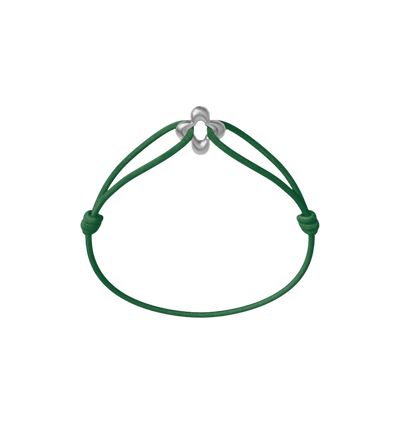
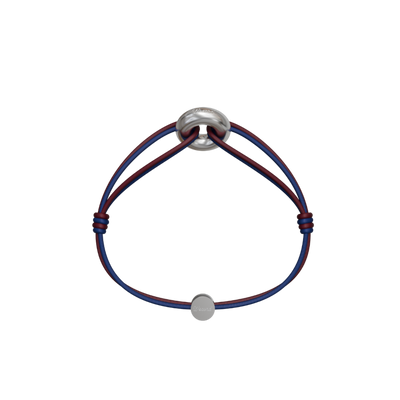
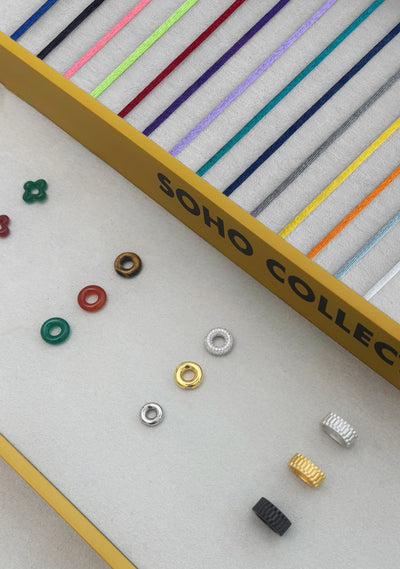
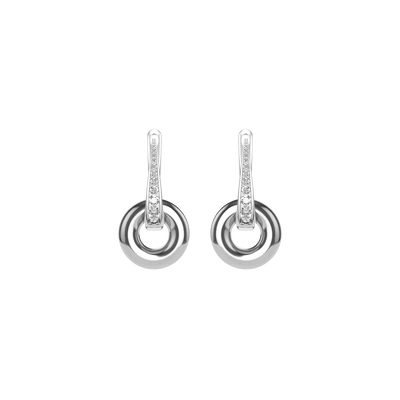
Every piece of Wecord silver jewellery is built on 925 sterling silver with rhodium plating. You will see this across the Soho Collection, the Clover Collection, and the Unity Collection. The silver core is what makes everything else possible.
Gold Plated: The Budget Finish That Does Not Last
Gold plated jewellery is made by electroplating a very thin layer of real gold over a cheaper base metal. The base is usually brass, copper, or stainless steel, and the gold layer is typically 0.5 microns thick or less. That is about half a micron, a coating so thin you could almost rub it off with sustained friction from a jumper sleeve.
This is why gold plated jewellery tarnishes and wears through quickly. Within months of regular wear, the plating starts to thin around contact points. The ring shank. The back of an earring. The clasp of a necklace. Eventually the base metal shows through, and for brass bases this often means a green mark on your skin where the metal reacts with sweat. If you have sensitive skin, gold plated jewellery is usually the first thing that causes irritation.
There is nothing morally wrong with buying gold plated pieces. They have their place for costume jewellery or a trend piece you only expect to wear a season. But they are not a real alternative to proper gold jewellery, and anyone selling them alongside vermeil at similar prices is not being straight with you.
Gold Vermeil: The Smart Choice for Everyday Luxury
Gold vermeil (pronounced ver may, rhyming with grey) is where sterling silver and gold come together. The base is always 925 sterling silver, and a thick layer of real gold is bonded to the surface through electroplating. For a piece to be legally sold as vermeil in the UK, the gold layer must be at least 2.5 microns thick, which is five times the thickness of standard gold plating. The karat of the gold must also be 10K or higher.
This combination gives you three things. First, a proper gold finish that looks and behaves like solid gold. Second, a sterling silver core that feels substantial in your hand, holds its value, and is gentle on sensitive skin. Third, a piece that lasts years rather than months, because the thick gold layer does not wear through with regular use.
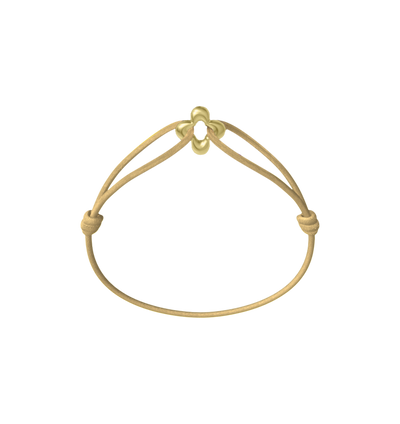
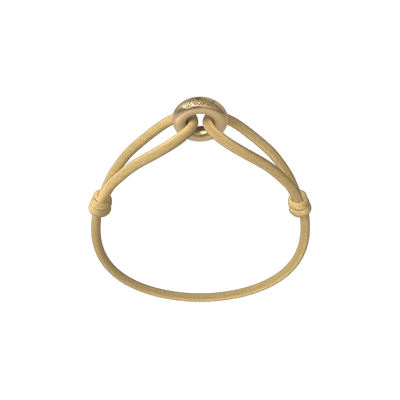
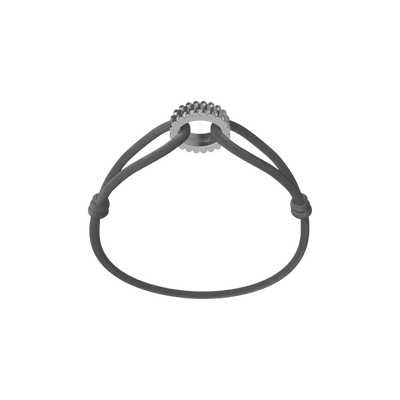
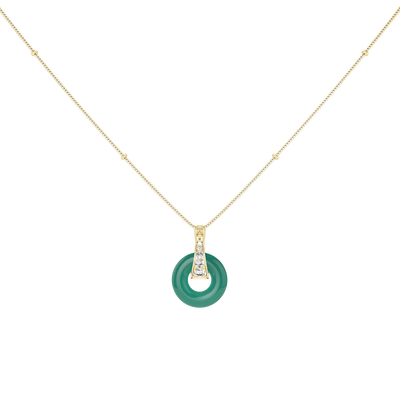
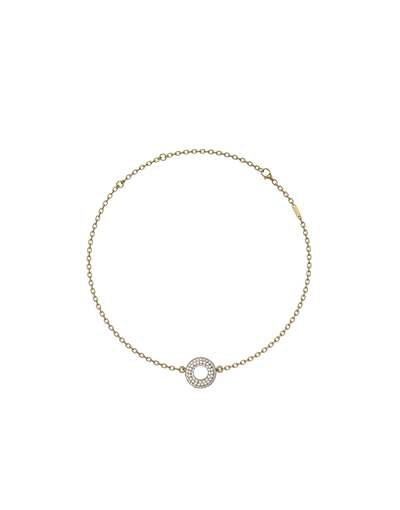
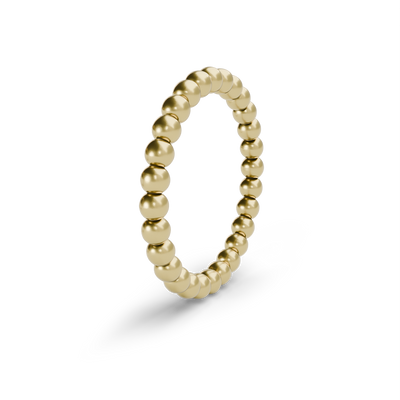
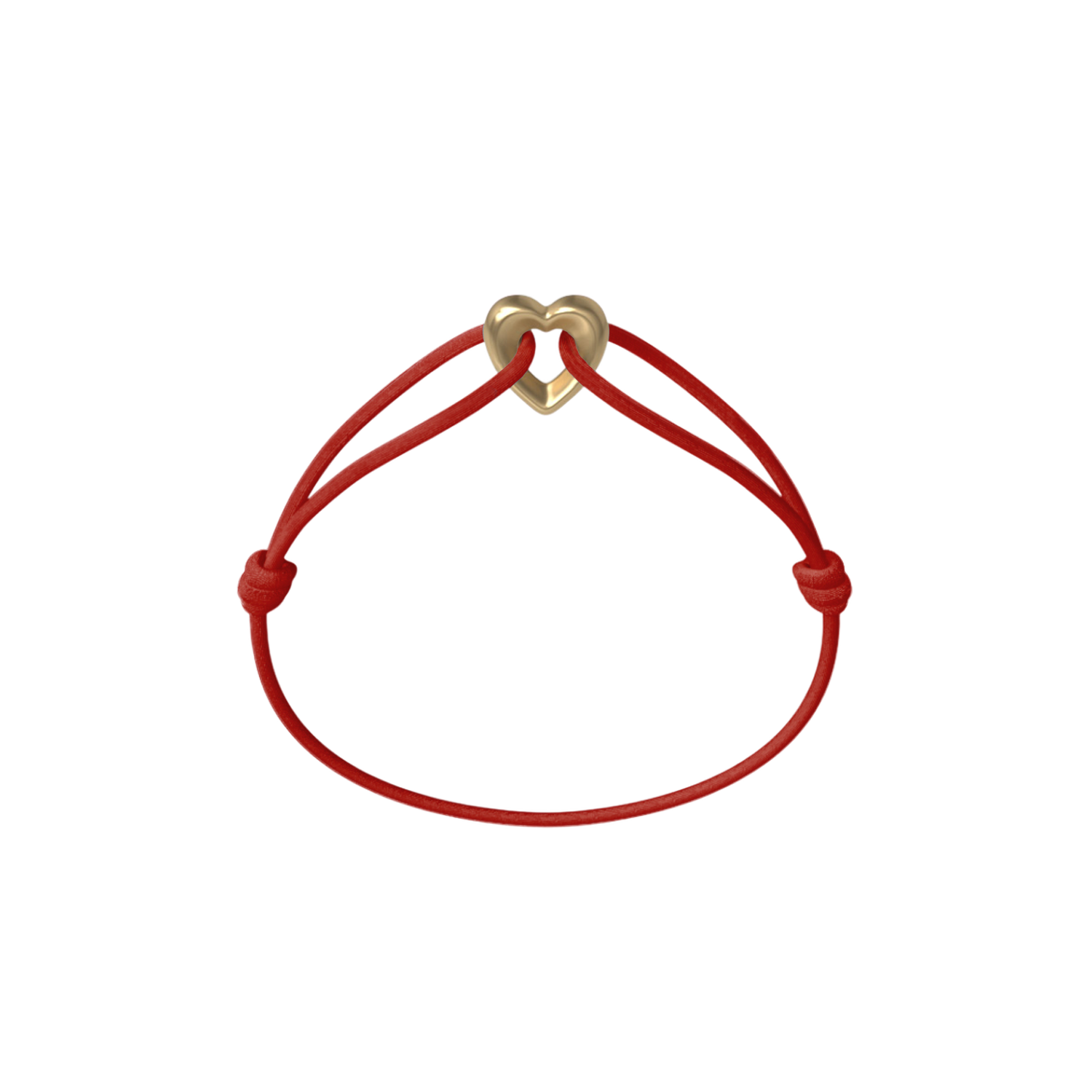
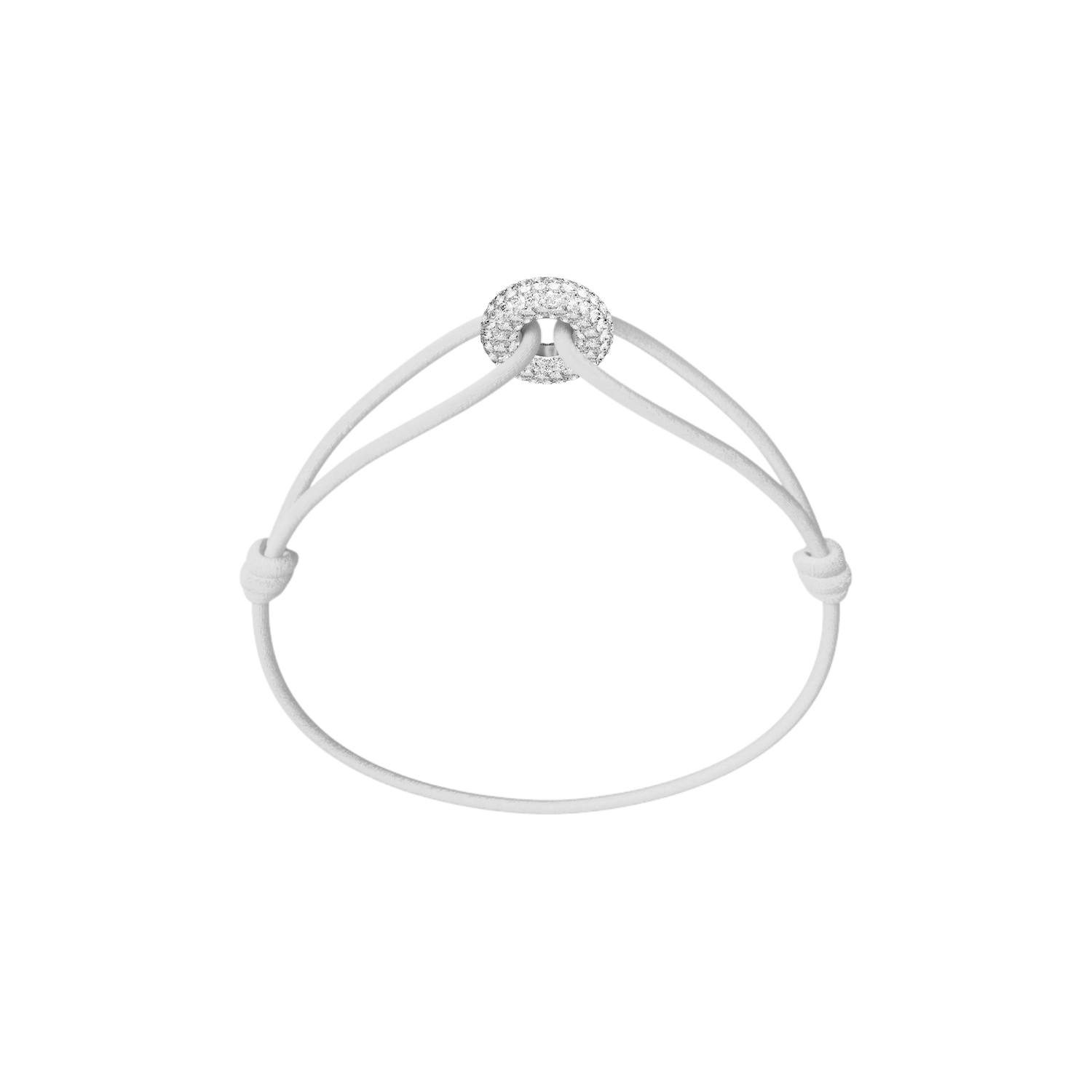
Wecord uses 18K gold vermeil at 3 microns, which sits above the UK legal minimum for vermeil and at the top end of what any brand offers. You will find this finish throughout the jewellery range, across necklaces, earrings, rings, and on the gold versions of every cord bracelet. The Soho Pavé pieces take the same 18K vermeil and set lab grown diamonds into the gold surface.
Gold Filled: A Note for Context
You might come across "gold filled" as a third option when shopping. This is jewellery where a sheet of gold is mechanically bonded to a base metal, usually brass, with heat and pressure rather than electroplated. To be labelled gold filled, the gold layer must be at least 5% of the piece's total weight.
Gold filled sits between vermeil and solid gold in terms of durability. The gold layer is very thick and highly resistant to wear. The catch is that the base metal is usually brass rather than sterling silver, so it does not carry the same hallmark status or the same skin friendly benefit that vermeil does. It is a decent middle ground, but it is rarely used by European jewellery brands because vermeil offers a better balance for most buyers.
Solid Gold: When It Makes Sense
Solid gold is exactly what it sounds like. The piece is gold all the way through, from the surface to the core. In the UK, most solid gold jewellery is 9K, 14K, or 18K, with the karat telling you how pure the gold is. 18K is 75% pure gold, 14K is 58.5%, and 9K is 37.5%. Anything stamped lower than 9K cannot legally be called gold in the UK.
Solid gold is the right choice for heirloom pieces you plan to pass down. It holds its value as an investment, it never needs replating, and it resists tarnishing indefinitely. The catch is cost. A solid 18K gold necklace typically costs between £800 and £3,000 for something you could get in vermeil for £150. For most people's everyday collection, that is not a sensible spend. Vermeil gives you 95% of the look and feel at a fraction of the price, and you can replace a vermeil piece several times over before you match the cost of solid.
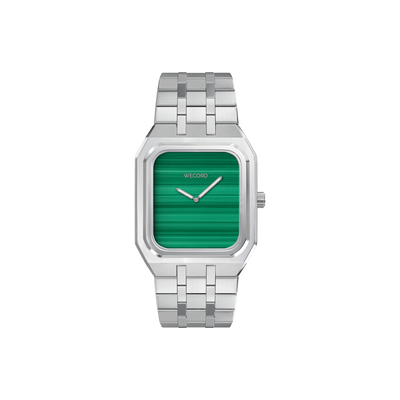
Where solid gold earns its place is for pieces with deep emotional meaning. An engagement ring. A wedding band. A christening gift. These are the pieces worth buying in solid gold because they will never need replacing and they carry monetary value you can always recover. For the watch you wear daily, the cord bracelets you stack on weekends, the earrings you rotate through the week, vermeil is the right choice almost every time.
Rhodium Plating on Silver: Quiet But Important
Rhodium is a precious metal from the platinum family, and it is the reason why good silver jewellery stays bright instead of dulling within a few months. A thin layer of rhodium is electroplated on top of sterling silver to protect it from tarnish and give it a more reflective, white finish.
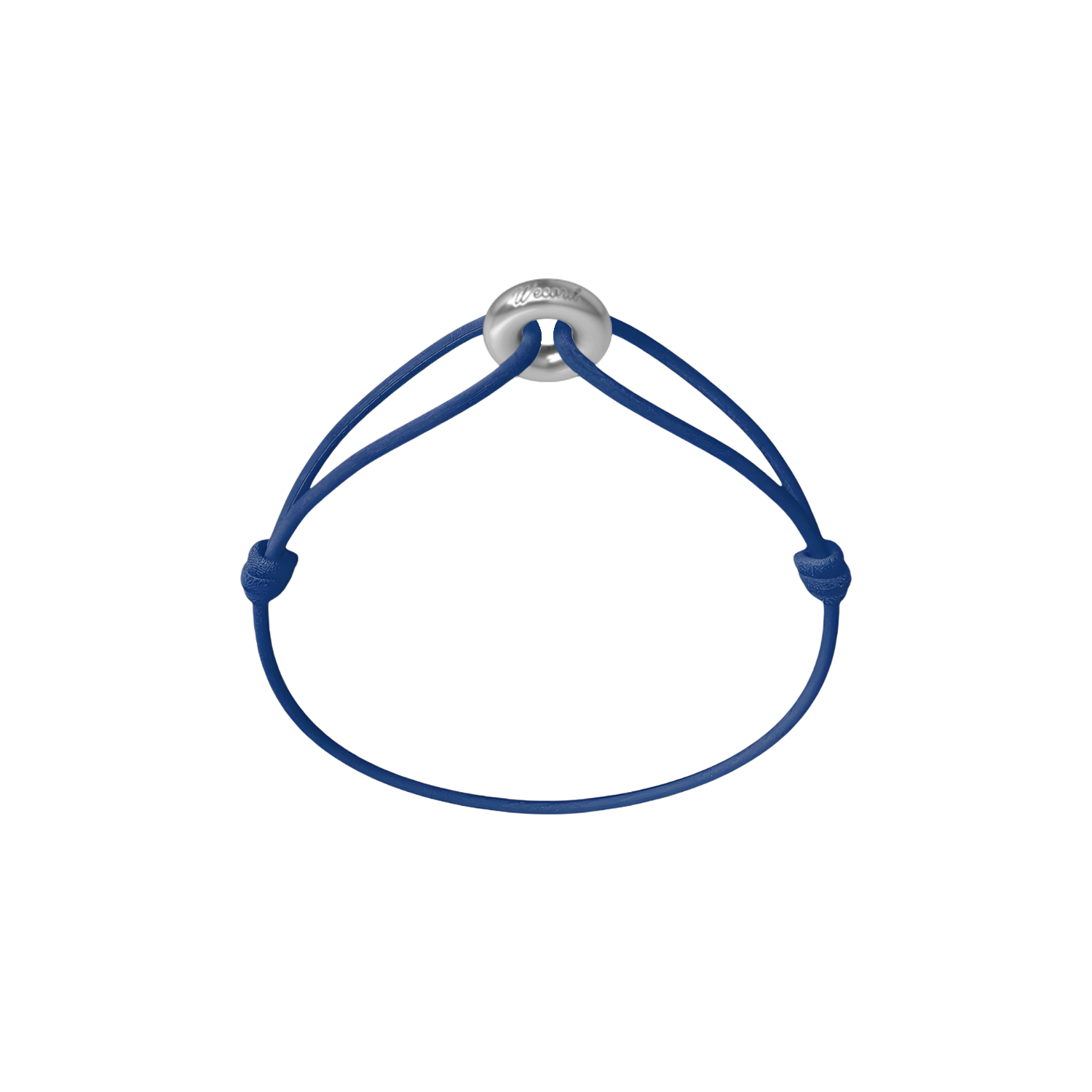
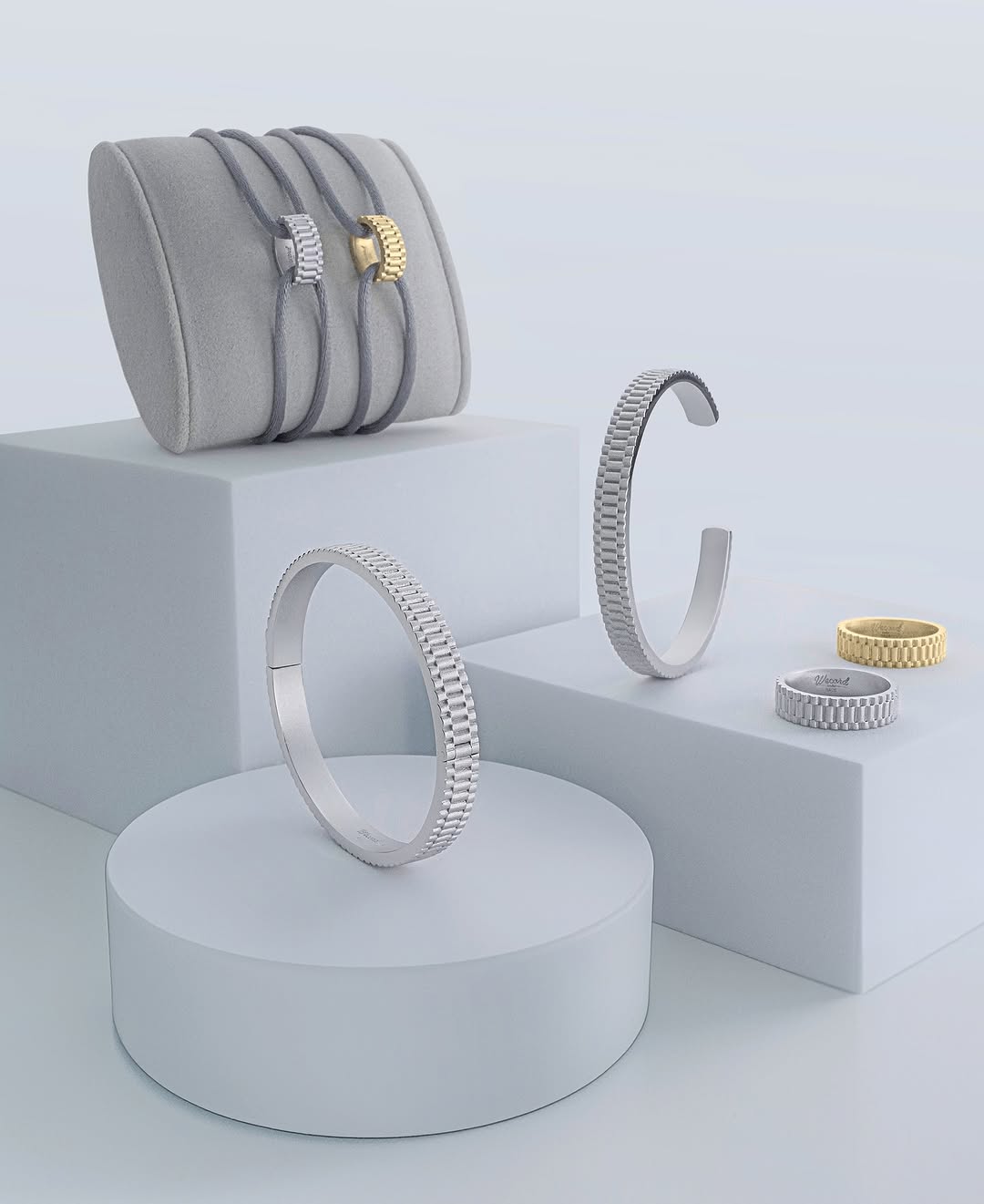
Not all silver jewellery is rhodium plated. Cheaper silver pieces skip this step to save cost, which is why you see them darken within weeks of being worn. The Wecord rings, the silver version of the Regent cord bracelet, and the silver pieces in the Atlas Collection all use rhodium plating on top of sterling silver. You get the full skin friendly benefit of 925 silver with a finish that stays bright for years.
How Long Does Each Type Actually Last?
The honest answer depends on how you wear the piece, but here is a realistic expectation for daily wear in the UK climate.
Gold plated jewellery typically starts showing wear within three to six months. The plating goes first around high contact areas, the piece becomes patchy, and it usually loses most of its finish within a year.
Gold vermeil at 2.5 microns or above will usually last three to five years of daily wear before the gold layer starts to thin. At 3 microns with proper care (avoiding chlorine, putting perfume on first, storing the piece dry) you can often get closer to five to ten years before any noticeable change. If a piece does eventually wear, any good jeweller can replate it for a fraction of the replacement cost.
Sterling silver with rhodium plating stays bright for several years before needing a light polish. The silver itself does not wear out, so these pieces are essentially lifetime purchases.
Solid gold will outlive you. A solid gold ring from the 1920s looks the same today as it did then, beyond a quick polish.
Which Material Should You Choose?
Start with how often you plan to wear the piece. For daily wear, choose sterling silver with rhodium plating or gold vermeil. Both handle constant contact with skin, clothing, and the environment without breaking down.
Think about sensitivity. If you or the person you are buying for has ever had a reaction to cheap earrings or a jumper clasp irritating the skin, go vermeil or silver and avoid gold plated entirely. The sterling silver base in vermeil is what makes it safe.
Consider the occasion. For a piece that will be worn once in a while, a statement cocktail ring, a dress earring for weddings, the difference between vermeil and solid gold is rarely worth paying five times the price. For an engagement ring or a piece meant to become a family heirloom, solid gold is worth every penny.
Think about stacking. If you like wearing multiple pieces at once, as most people do with cord bracelets paired with a watch or a stack of rings, vermeil makes sense because the constant contact between pieces accelerates wear on anything with a thin plating. The thick gold layer in vermeil handles this far better than plating does.
How to Make Your Jewellery Last Longer
The single biggest factor in how long any piece of jewellery lasts is what touches it. Perfume, hairspray, suncream, and moisturiser all contain chemicals that accelerate the breakdown of metal finishes. The habit that extends the life of any piece by years is simple. Get dressed, put on your scent and your moisturiser, let everything dry, and then put your jewellery on last.
Taking pieces off before showering matters too. The chlorine in treated water, and especially the chlorine in swimming pools, strips gold plating and vermeil much faster than anything else. Salt water and soapy water are kinder but still not friends of plated finishes.
Storage is the other quiet factor. Silver tarnishes faster when exposed to air, so keeping pieces in a soft pouch or a closed box slows oxidation dramatically. Keep pieces separate from each other too, because metal on metal friction scratches surfaces over time.
For a deeper clean, warm water with a small amount of washing up liquid and a soft microfibre cloth works for almost every piece. Avoid toothpaste, abrasive cleaners, or anything marketed as a silver dip on plated or vermeil pieces. Those are designed for solid silver and will eat through thin layers of plating.
Frequently Asked Questions
Is gold vermeil real gold?
Yes. The gold layer on vermeil is real gold, typically 18K, bonded to a sterling silver base. It is considered fine jewellery in the UK, not costume jewellery. The combination of a silver core and a thick gold plating is what separates it from regular gold plated pieces. The Wecord jewellery range uses 18K gold vermeil at 3 microns.
What is the difference between 18K gold vermeil and 18K solid gold?
18K tells you the purity of the gold itself, which is 75% pure in both cases. The difference is what sits underneath. Solid gold is 18K gold all the way through the piece. Vermeil is 18K gold plated onto 925 sterling silver at 2.5 microns or more. The vermeil piece costs a fraction of the solid gold equivalent and looks identical on the wrist.
Does gold vermeil tarnish?
The gold layer itself does not tarnish because gold is one of the most stable metals known. The sterling silver underneath can eventually tarnish if the gold layer wears through, but with 3 micron vermeil and reasonable care, that takes many years to happen. Avoiding perfume, chlorine, and moisture keeps a piece looking new far longer.
Can I wear vermeil in the shower?
You can, but you will shorten its life. The soap, shampoo, and water combination accelerates wear on the gold layer. A better habit is to remove jewellery before showering, swimming, or working out. The two seconds it takes is worth the extra years of life it adds to the piece.
What does the 925 stamp mean?
925 is the hallmark for sterling silver, meaning 92.5% pure silver with 7.5% of another metal (usually copper) for strength. You will see this stamp on every piece of Wecord silver jewellery and also on the silver core underneath every vermeil piece. It is the UK standard for fine silver jewellery.
Is gold vermeil safe for sensitive skin?
Yes. The sterling silver base in vermeil is considered hypoallergenic, which is why vermeil rarely causes skin reactions even on very sensitive skin. Gold plated jewellery with a brass or nickel base is a different story, which is why many people find cheap costume jewellery gives them a rash but vermeil does not.
Can gold vermeil be replated?
Yes. If a vermeil piece ever wears through after many years, it can be replated by a jeweller for a small fraction of the cost of buying a new piece. This is one of the quiet advantages vermeil has over solid gold. You can refresh a piece indefinitely without replacing it.
Which Wecord pieces are gold vermeil?
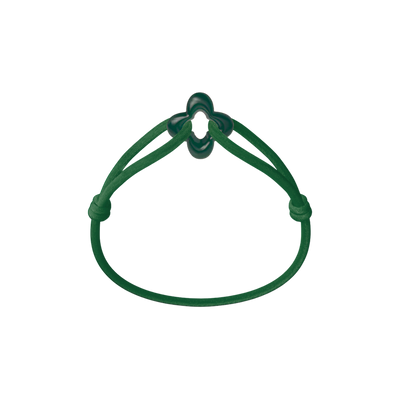
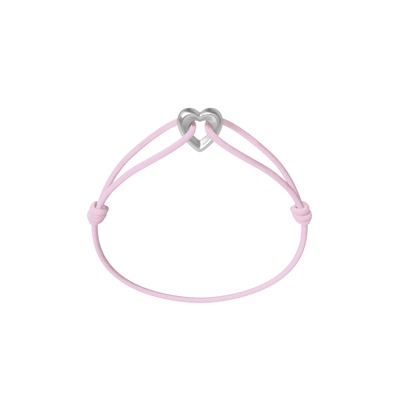
Every gold piece at Wecord is 18K gold vermeil at 3 microns. This includes the gold versions of the Soho, Clover, and Heart cord bracelets, the full necklaces, earrings, and rings ranges, and the gold versions of the Atlas rings with natural gemstones. The Soho Pavé pieces combine the same 18K vermeil with lab grown diamonds.
Where can I see the jewellery in person?
Visit the Wecord store at 60 Beauchamp Place in Knightsbridge, London. The team can show you the different finishes side by side so you can feel the weight and see the tone of vermeil next to silver in person. Full details on the find us page.
Read more
Buying a watch online is exciting right up to the moment you start thinking about size. Will a 41mm case look too big on your wrist? Will a 35mm look too small? Does thickness matter as much as wid...
Long before people cared about karats, they cared about stones. Every major civilisation in recorded history attached meaning to the colours buried in the earth, and that instinct has never really...