









The Complete Guide to Lab Grown Diamonds
Lab grown diamonds are no longer the alternative. They are becoming the first choice. Research shows that nearly half of young adults in the UK would consider buying a lab grown diamond, and that number is growing every year as awareness increases and perceptions shift. But despite that growing interest, there is still a surprising amount of confusion about what lab grown diamonds actually are, how they are made, whether they are "real" diamonds, and why they cost less than mined stones. This guide answers all of those questions clearly and honestly, and explains why Wecord London uses lab grown diamonds across its Soho Pavé jewellery and watch collections.
What Are Lab Grown Diamonds
A lab grown diamond is a real diamond. It is not a simulant, not cubic zirconia, not moissanite, and not crystal. It is carbon, arranged in the exact same crystal structure as a diamond that formed underground over billions of years, except it was created in a laboratory in a matter of weeks. The chemical composition is identical. The physical properties are identical. The optical properties are identical. A lab grown diamond has the same hardness (10 on the Mohs scale), the same refractive index, the same thermal conductivity, and the same brilliance and fire as a mined diamond. If you placed a lab grown diamond and a mined diamond of the same quality side by side, no human eye could tell the difference. Even most standard gemological equipment cannot distinguish between the two without specialist testing. They are, in every measurable sense, the same material.
How Lab Grown Diamonds Are Made
There are two main methods used to create lab grown diamonds. The first is called High Pressure High Temperature, which replicates the conditions found deep within the Earth where natural diamonds form. A small diamond seed is placed inside a chamber and subjected to extreme pressure and extreme heat. Carbon atoms bond to the seed and a diamond crystal grows over time. The second method is called Chemical Vapour Deposition. A diamond seed is placed inside a sealed chamber filled with carbon rich gas, typically methane. The gas is heated to very high temperatures, causing the carbon atoms to separate from the gas and deposit onto the seed layer by layer, building a diamond crystal from the bottom up. Both methods produce genuine diamonds with the same atomic structure as mined stones. The method used does not affect the quality of the finished diamond. What determines quality, as with any diamond, is the precision of the cutting, the clarity of the stone, and the skill of the craftspeople who set it into jewellery.
Lab Grown vs Mined Diamonds
The differences between lab grown and mined diamonds are not found under a microscope. They are found in the story behind the stone. A mined diamond was formed between one and three billion years ago deep in the Earth's mantle and brought to the surface through volcanic activity. It is then extracted through mining, which involves significant environmental disruption, energy consumption, water usage and in some regions, complex social and ethical considerations. A lab grown diamond is created in a controlled laboratory environment over a period of weeks. The environmental footprint is a fraction of what mining requires. There is no land disruption, no large scale water usage and no ethical supply chain concerns. The stone itself is identical. The difference is entirely in how it got from carbon atoms to your jewellery box.
In terms of price, lab grown diamonds are significantly more affordable than mined diamonds of equivalent quality. This is not because they are inferior. It is because the supply chain is shorter, the production process is more efficient, and there are no mining, transportation or middleman costs layered into the final price. What this means for the buyer is that you can access a higher quality or larger diamond for the same budget, or you can access the same quality for considerably less. At Wecord, this pricing advantage is passed directly to the customer, which is why our Soho Pavé collection delivers a level of diamond craftsmanship that would cost significantly more if the stones were mined.
Are Lab Grown Diamonds Real Diamonds
Yes. This is the single most important thing to understand and the question that comes up more than any other. Lab grown diamonds are real diamonds. They are not imitations. They are not substitutes. They are diamonds. The Federal Trade Commission in the United States removed the word "natural" from its definition of diamond in 2018, formally recognising that a diamond is a diamond regardless of whether it was created underground or in a laboratory. The International Gemological Institute and other major grading bodies certify lab grown diamonds using the same 4Cs grading system (cut, colour, clarity and carat) that is applied to mined diamonds. When you buy a lab grown diamond, you are buying a real diamond. The only difference is its origin story.
Why Wecord Uses Lab Grown Diamonds
Wecord's decision to use lab grown diamonds is rooted in three principles: quality, sustainability and accessibility. The quality argument is straightforward. Lab grown diamonds allow us to select stones with exceptional cut, clarity and colour consistency, which means every pavé set charm, pendant and watch dial in the Wecord range delivers the same level of brilliance and fire. The sustainability argument matters deeply to the brand. Wecord is committed to reducing its environmental footprint across every aspect of production, from the recycled and recyclable materials in our packaging to the sustainably sourced materials in our jewellery. Lab grown diamonds align directly with that commitment because their production requires a fraction of the environmental impact of mining. The accessibility argument is what makes lab grown diamonds transformative for our customers. By using lab grown stones, we can offer pavé diamond cord bracelets, necklaces and earrings at price points that make diamond jewellery genuinely attainable rather than aspirational.
Lab Grown Diamonds in the Wecord Collection
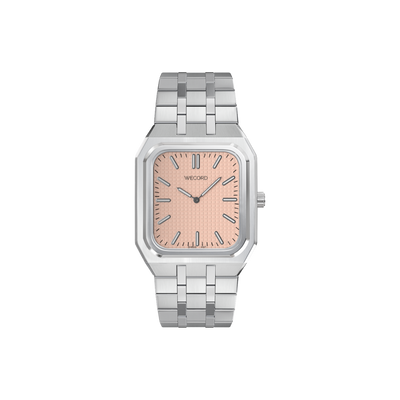
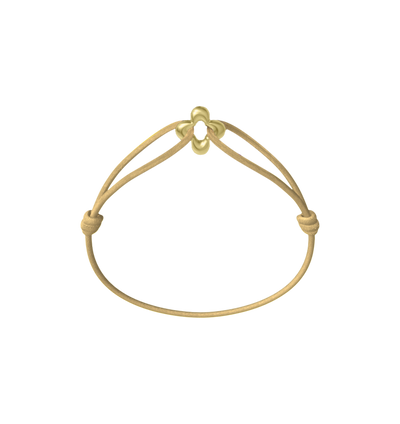
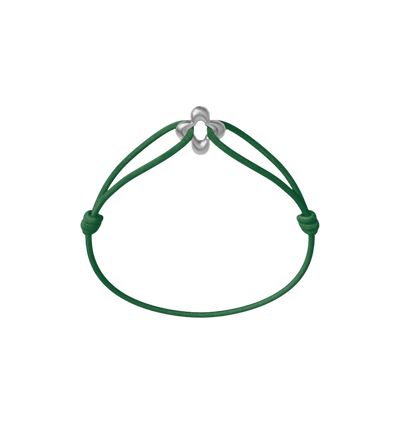
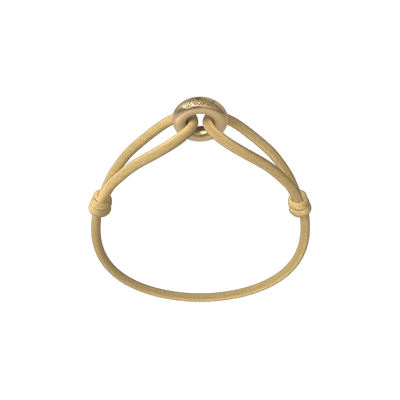
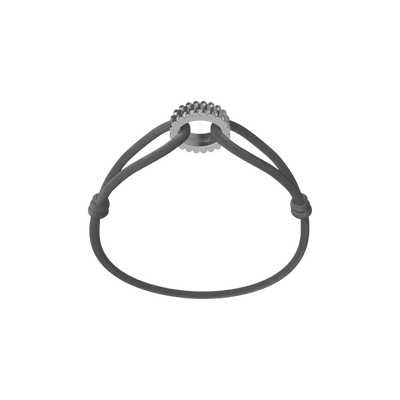
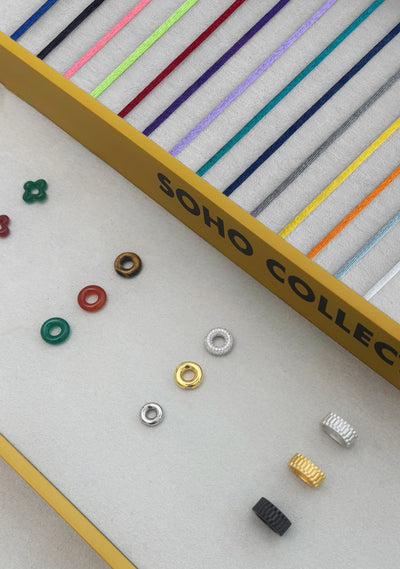
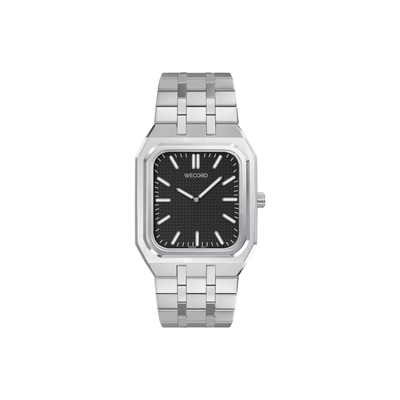
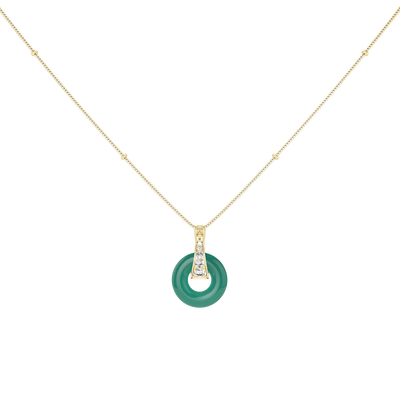
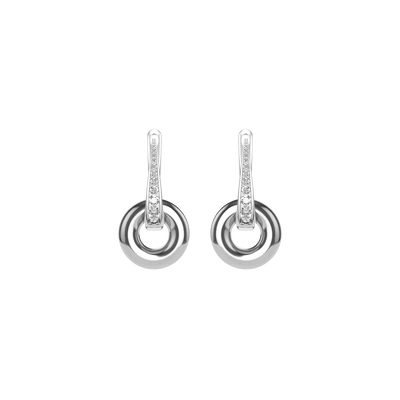
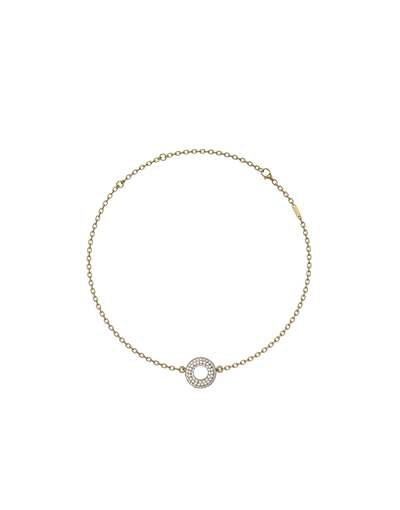
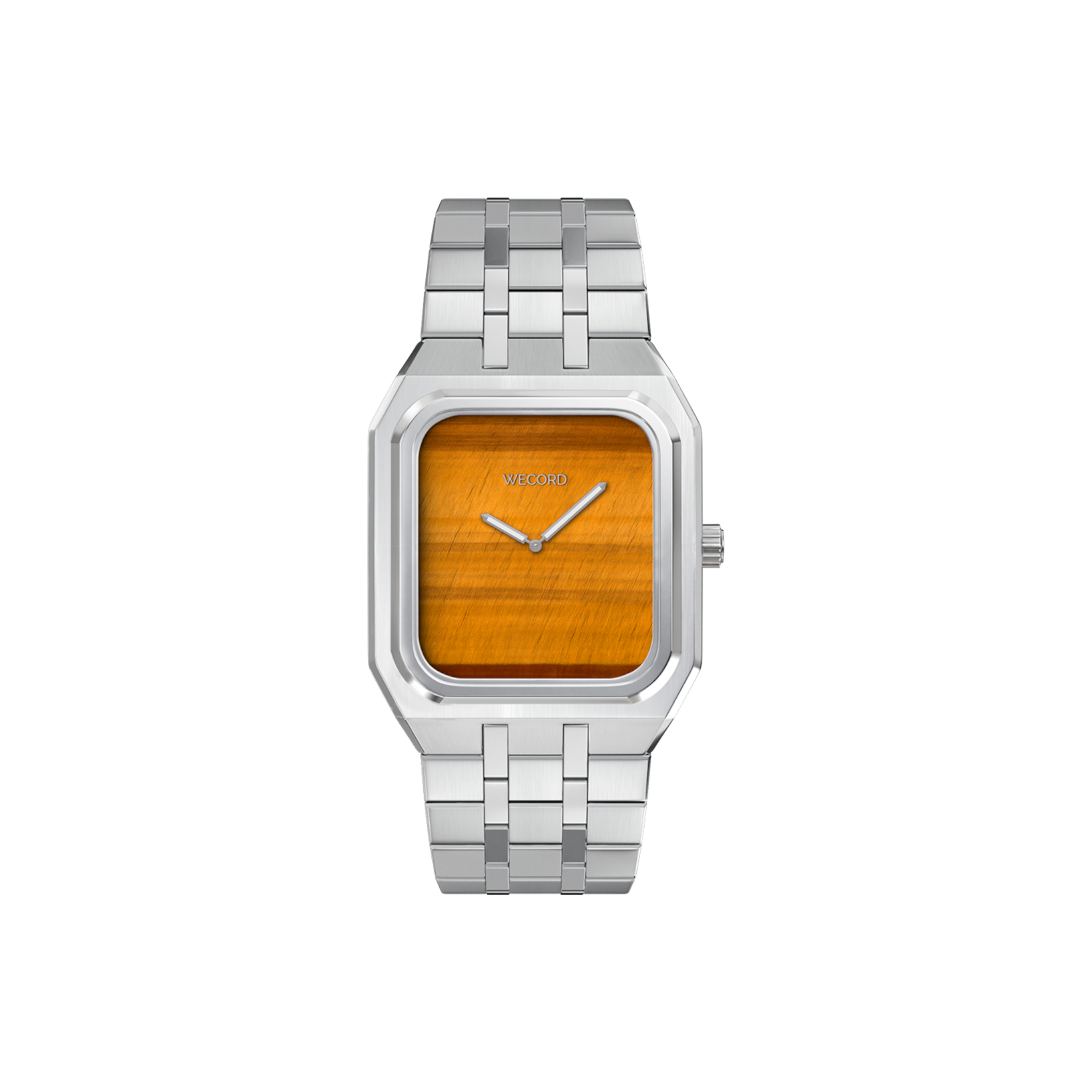
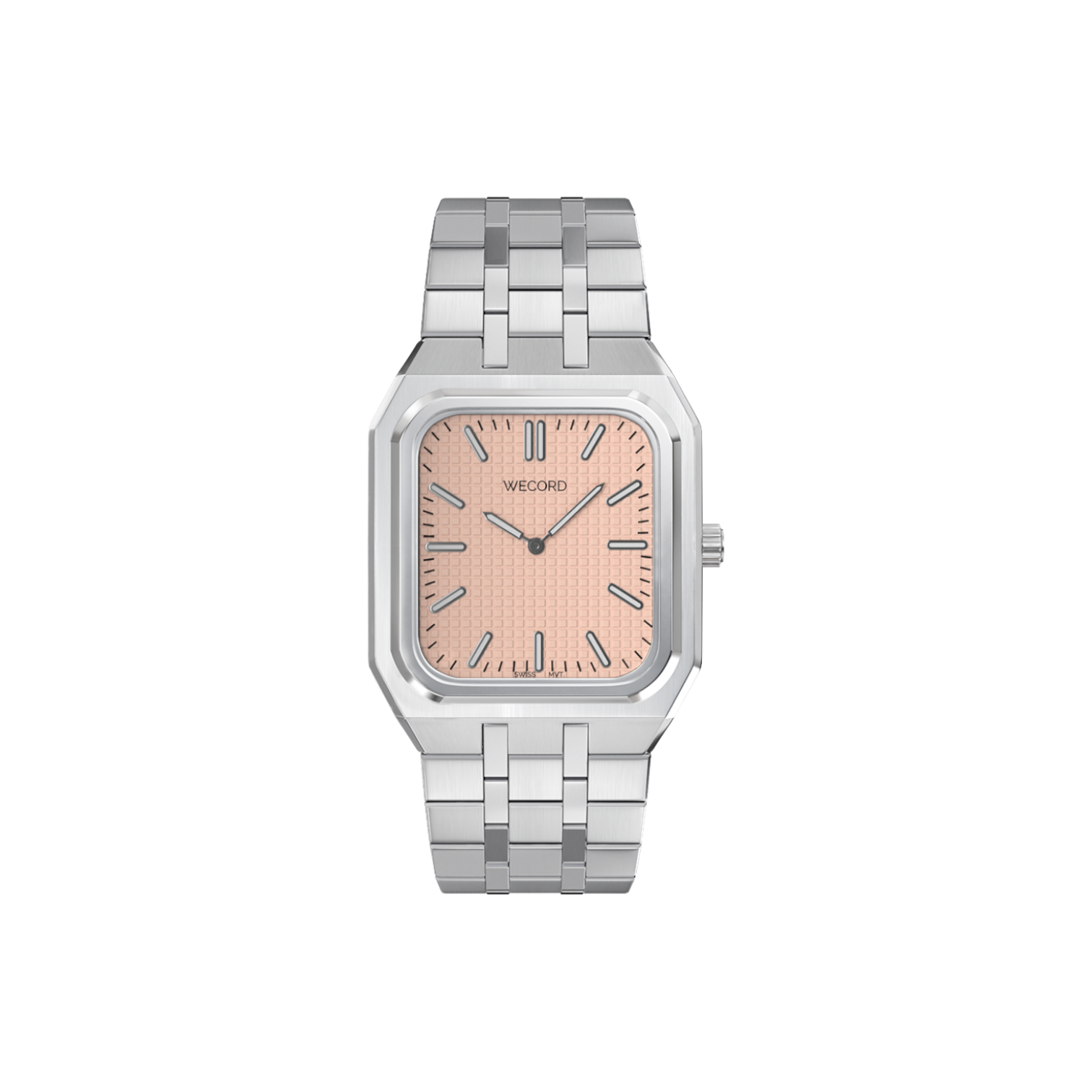
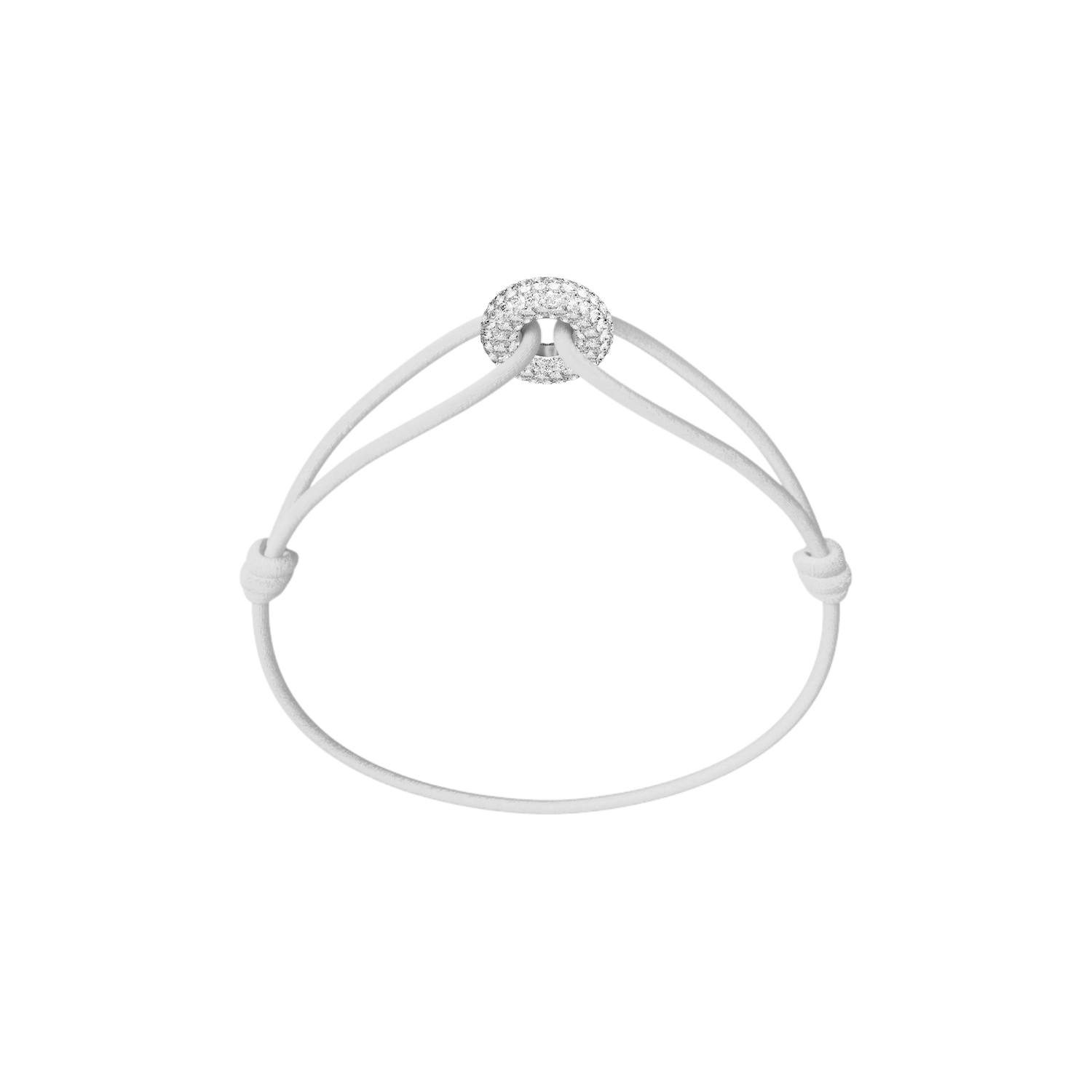
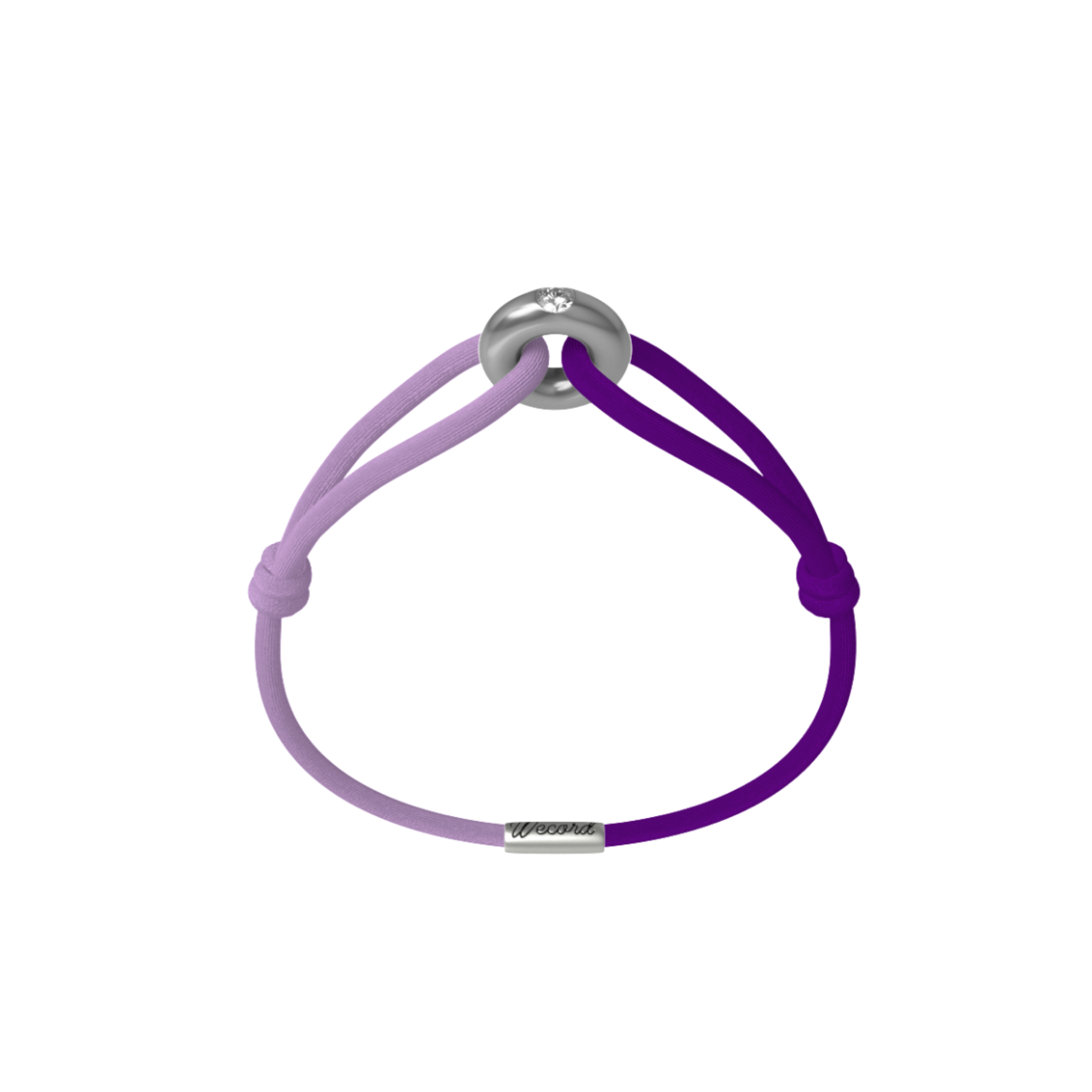
Lab grown diamonds appear across several Wecord collections, always in pavé settings where multiple small diamonds are placed closely together to create a surface of continuous sparkle. The Soho Pavé cord bracelets are the most popular pieces in the lab diamond range. The Mini Silver Soho Pavé at £140 features the signature Soho charm entirely covered in pavé set lab grown diamonds, creating a piece that catches light from every angle on the wrist. The Soho Pavé is available in silver, gold and rose gold finishes, each built on a 925 sterling silver base. The Soho Diamond cord bracelets use lab grown diamonds in a ring around the circumference of the charm for a more subtle sparkle. Beyond cord bracelets, the Mini Soho Pavé Necklace brings the same diamond treatment to a pendant, and the Pavé Soho Earrings extend it to the ear. The Duke Watch with Diamonds at £370 features lab grown diamond hour markers on the dial, blending fine watchmaking with diamond jewellery in a single piece.
Lab Grown Diamonds vs Moissanite
Lab grown diamonds and moissanite are both used in modern jewellery as alternatives to mined diamonds, but they are different materials with different properties. A lab grown diamond is carbon. Moissanite is silicon carbide. Both are exceptionally hard and durable, but moissanite actually surpasses diamond in brilliance (the amount of white light reflected) and fire (the rainbow flashes of colour). This means moissanite can appear even more sparkly than diamond in certain lighting conditions. It is also more affordable than lab grown diamond. At Wecord, moissanite is used in the Unity Collection across necklaces, earrings and bracelets, while lab grown diamonds are used in the Soho Pavé and Soho Diamond ranges. Both are excellent choices. Lab grown diamonds carry the "diamond" name and all the emotional weight that comes with it. Moissanite delivers more optical fireworks at a lower price. The choice between them comes down to what matters more to you personally.
Sustainability and Lab Grown Diamonds
The environmental case for lab grown diamonds is significant. Traditional diamond mining requires moving enormous quantities of earth, consumes vast amounts of water and energy, disrupts ecosystems and leaves lasting scars on the landscape. The social dimensions of mining, including labour practices, community displacement and the historical issue of conflict diamonds, have also shaped how many consumers feel about mined stones. Lab grown diamonds sidestep these concerns entirely. They are produced in controlled facilities with a significantly smaller environmental footprint. While lab grown diamond production does require energy, the overall impact is a fraction of what mining involves, and as laboratory facilities increasingly transition to renewable energy sources, that footprint continues to shrink. For Wecord, using lab grown diamonds is part of a broader sustainability commitment that extends to recycled packaging materials, sustainably sourced metals and a production process designed to minimise waste at every stage.
The Future of Lab Grown Diamonds in the UK
The lab grown diamond market is growing rapidly worldwide and the UK is no exception. Industry research shows that young British consumers are leading the shift, with nearly half of 18 to 24 year olds open to buying lab grown diamonds. The market is projected to continue growing strongly through 2030 and beyond as technology improves, prices become even more competitive and consumer awareness increases. What is already clear is that lab grown diamonds have moved beyond the "alternative" category and into the mainstream. Major jewellery brands across the UK and globally are incorporating lab grown diamonds into their collections, and consumer perception has shifted from "are these real?" to "why would I not choose these?" For Wecord, the decision to use lab grown diamonds was made at the brand's founding because the quality, sustainability and accessibility argument was already compelling. The market catching up to that position simply confirms that the choice was the right one.
Frequently Asked Questions About Lab Grown Diamonds
Can you tell the difference between lab grown and mined diamonds?
No. Lab grown diamonds are chemically, physically and optically identical to mined diamonds. No human eye can distinguish between the two. Even standard gemological equipment requires specialist testing to identify the origin. They have the same hardness, brilliance, fire and durability.
Do lab grown diamonds last forever?
Yes. Lab grown diamonds have the same physical properties as mined diamonds, including a hardness of 10 on the Mohs scale. They do not cloud, fade, scratch or degrade over time. A lab grown diamond will look exactly the same in fifty years as it does the day you buy it.
Are lab grown diamonds cheaper than mined diamonds?
Yes. Lab grown diamonds are significantly more affordable than mined diamonds of the same quality. This is because the supply chain is shorter and production is more efficient, not because the diamonds are inferior. The savings are passed to the customer, making diamond jewellery more accessible.
Are lab grown diamonds certified?
Yes. Lab grown diamonds are graded and certified by the same international gemological institutions that certify mined diamonds, using the same 4Cs system of cut, colour, clarity and carat weight.
Are lab grown diamonds sustainable?
Lab grown diamonds have a significantly smaller environmental footprint than mined diamonds. They require no land disruption, no large scale water usage and no mining infrastructure. While production does use energy, the overall impact is a fraction of mining and continues to improve as facilities adopt renewable energy sources.
What Wecord products use lab grown diamonds?
Lab grown diamonds are used in the Soho Pavé cord bracelets, necklaces and earrings, the Soho Diamond cord bracelets, and the Duke Watch with Diamonds. All lab grown diamond pieces are crafted in 925 sterling silver with rhodium plating or 18K gold vermeil and carry a 2 year international warranty.
What is the difference between lab grown diamonds and cubic zirconia?
They are completely different materials. Lab grown diamonds are real diamonds made from carbon with a hardness of 10 on the Mohs scale. Cubic zirconia is a synthetic material made from zirconium dioxide with a hardness of around 8.5. Cubic zirconia is softer, less brilliant and will dull and scratch over time. Lab grown diamonds will not.
Where can I see Wecord lab grown diamond jewellery in person?
Visit the Wecord boutique at 60 Beauchamp Place, London SW3, in Knightsbridge near Harrods. The team can show you the Soho Pavé range and the diamond watch collection in person. All lab grown diamond pieces are also available online with free UK delivery in 1 to 3 days.
Read more

There is something about a single bracelet on a bare wrist that looks intentional. But there is something about three or four bracelets layered together that looks like you have genuinely figured o...
Buying a watch online is exciting right up to the moment you start thinking about size. Will a 41mm case look too big on your wrist? Will a 35mm look too small? Does thickness matter as much as wid...