



Tarnish Free and Waterproof Jewellery: What Actually Lasts
Almost everyone has owned a piece of jewellery that looked beautiful for about three weeks. It went dark at the edges, dulled where it touched skin, maybe left a faint green mark on a finger, and eventually moved to the back of a drawer. That experience is why "tarnish free" and "waterproof" have become two of the most searched phrases in UK jewellery. The problem is that both terms get used loosely, and some of what gets sold under them is no more durable than the pieces that failed you before. This guide explains what actually causes tarnish, what those two words genuinely mean, what you can and cannot wear in the shower or the sea, and how to tell a piece that will last from one that will not.
Why Jewellery Tarnishes in the First Place
Tarnish is a chemical reaction, not a sign of poor quality on its own. When certain metals meet oxygen, moisture, and the sulphur compounds present in air, sweat, and everyday products, the surface reacts and darkens. It is corrosion happening slowly on the outside of the metal.
What matters is which metal is doing the reacting. Cheap fashion jewellery is usually built on a base of brass or copper with a whisper thin coating of gold or silver colour on top. Those base metals react quickly and aggressively. Once the thin coating wears through, which can take weeks, the reactive metal underneath is exposed directly to skin. That is what produces the green marks people remember, and it is why the piece cannot be rescued: there is nothing underneath worth restoring.
So the real question is never simply whether a piece tarnishes. It is what the piece is made of underneath.
Does Sterling Silver Tarnish?
Pure sterling silver can tarnish, yes. Sterling silver is 92.5% silver mixed with other metals for strength, and over time exposure to air and moisture will darken an unprotected silver surface. This is normal, it is surface level, and unlike cheap plated jewellery it can be cleaned back to bright.
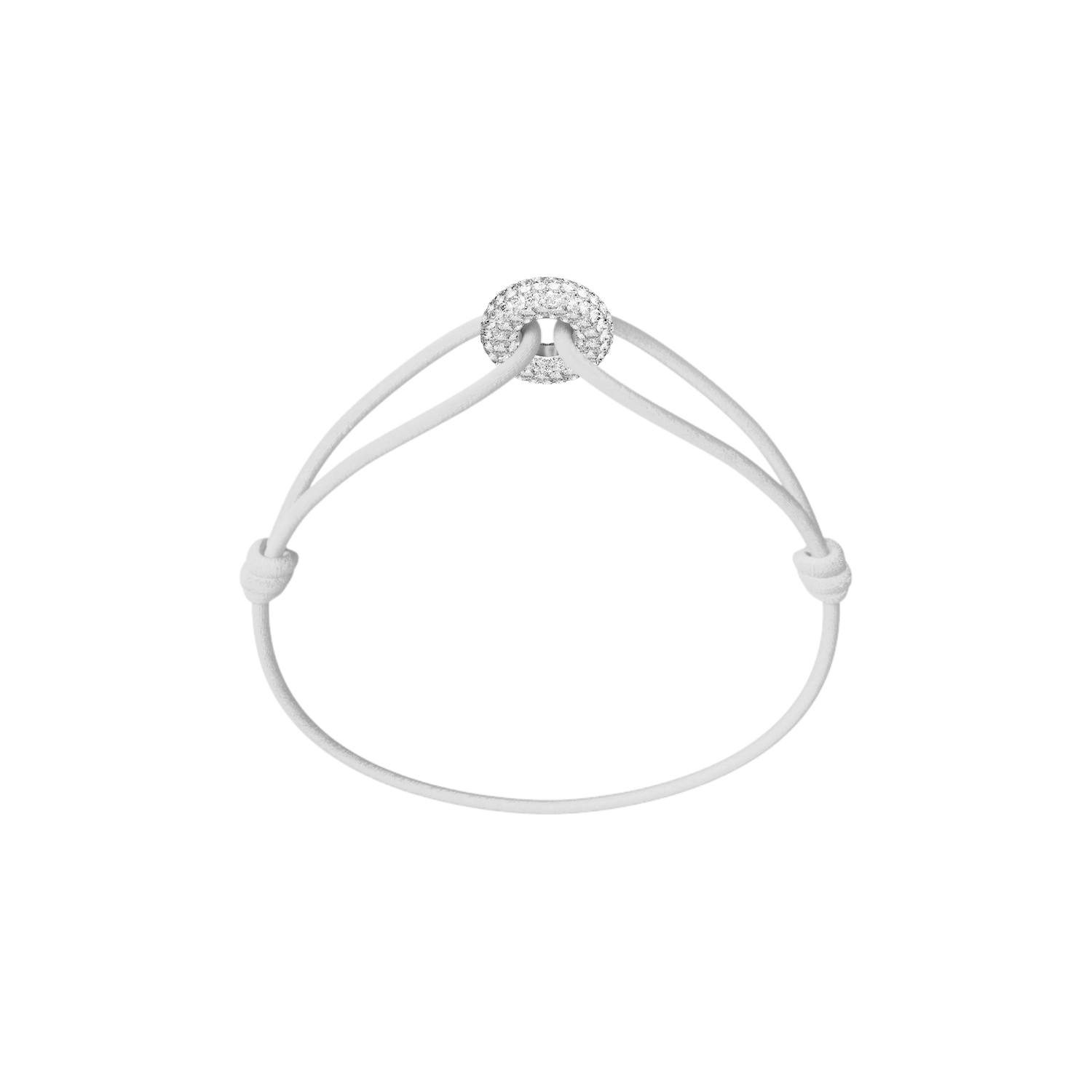
The important part is that good sterling silver jewellery is rarely left unprotected. A layer of rhodium is electroplated over the silver, and rhodium is a precious metal from the platinum family that does not react the way silver does. It seals the surface, resists tarnish, and gives a brighter, more reflective white finish at the same time. Every rhodium plated piece in the Wecord jewellery collection is built this way, which is why the pieces hold their colour through daily wear rather than dulling within months.
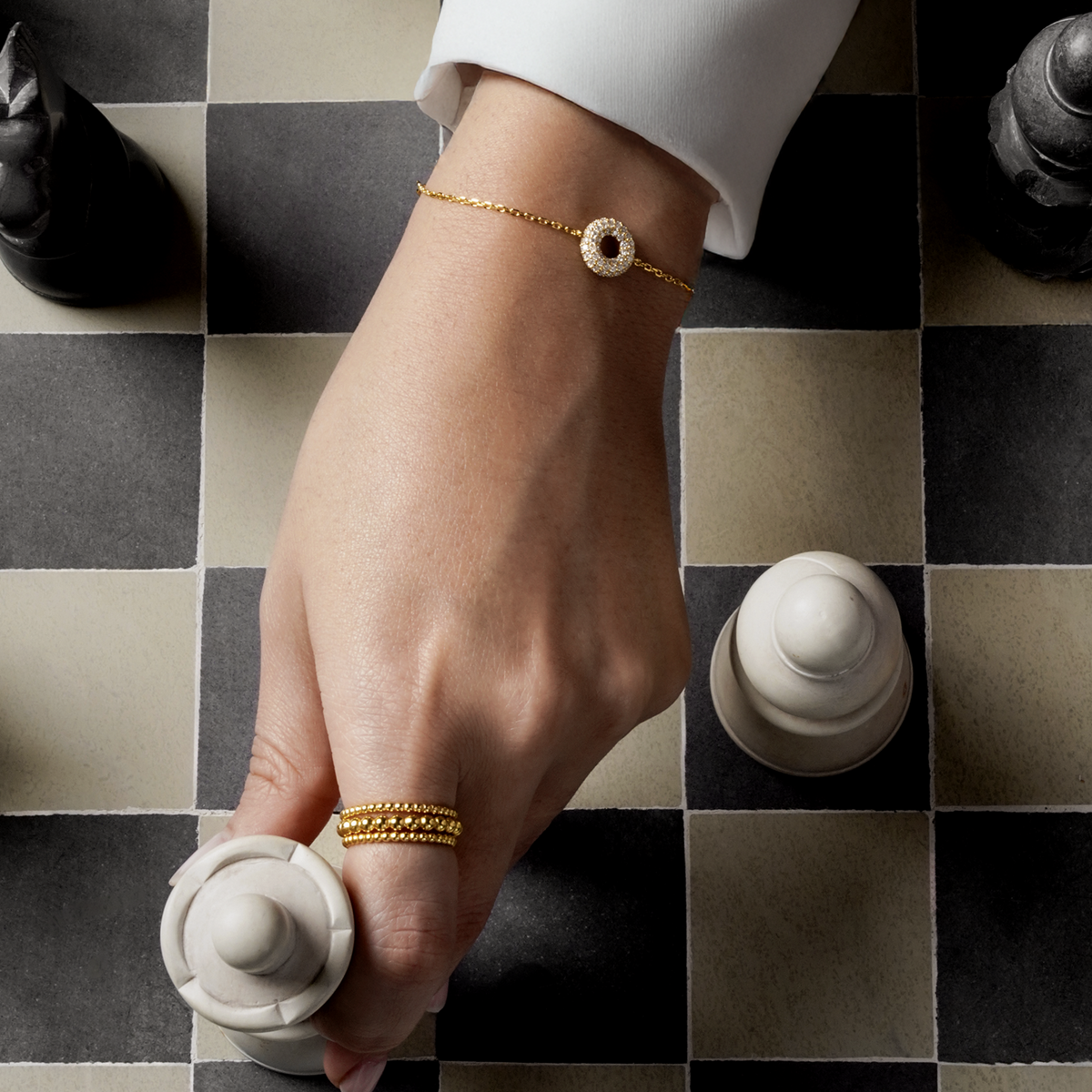
Gold pieces work on the same principle from the other direction. Gold vermeil is a thick layer of real 18K gold over a sterling silver base, and because the base is silver rather than reactive brass or copper, there is no green discolouration even if the surface eventually wears. Wecord vermeil is applied at 3 microns, which is above the legal minimum for vermeil and at the upper end of the category. The full technical comparison sits in the gold vermeil versus gold plated guide.
The Three Things That Make Jewellery Tarnish Resistant
Whatever brand you buy from, these are the three factors that decide whether a piece keeps its finish. Check all three before you buy.
The Base Metal
Sterling silver rather than brass or copper. This is the single biggest factor and the one most listings avoid stating. If a product page will not tell you the base metal, assume it is brass.
The Protective Layer
Rhodium plating on silver pieces, or real gold on gold pieces. Rhodium comes from the platinum family and is what keeps good silver bright instead of dulling after a few months of wear.
The Thickness
Measured in microns. Vermeil requires at least 2.5 microns of gold by definition. Ordinary gold plating is often under half a micron, which is why it wears through so fast.
What "Waterproof Jewellery" Actually Means
Here is the honest version, because the word gets stretched. No jewellery is improved by water. What good pieces are is water resistant enough that ordinary life does not damage them. Rain, hand washing, sweat, a shower: none of these should harm a well made piece. Hours in a chlorinated pool or the sea is a different situation entirely, and any brand claiming otherwise is overselling.
Chlorine is the genuine enemy. It attacks plated surfaces and can pit metal, and the damage is often permanent rather than something a clean will fix. Salt water is corrosive over time and sand scratches polished surfaces. Neither will destroy a piece in one afternoon, but repeated exposure will shorten its life noticeably.
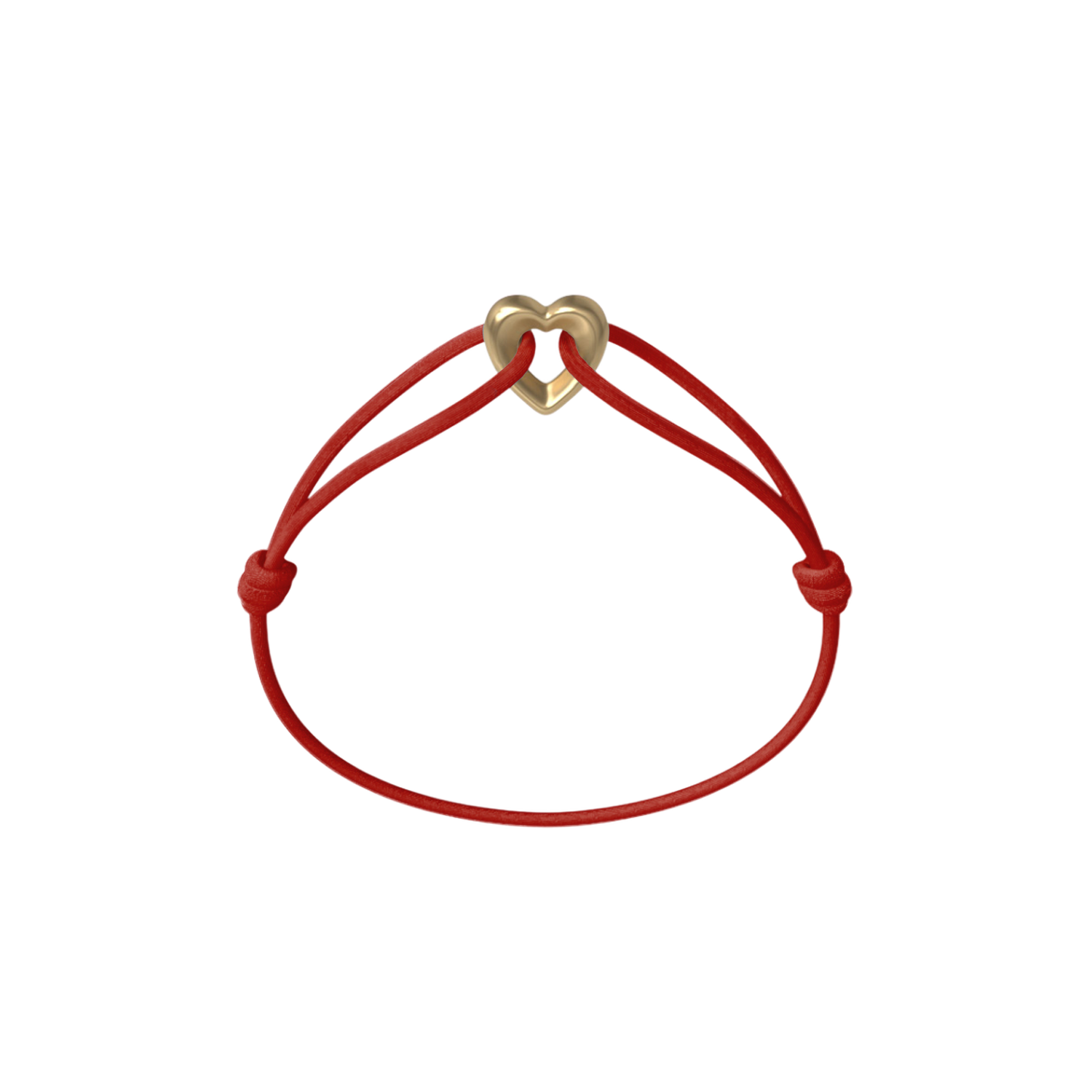
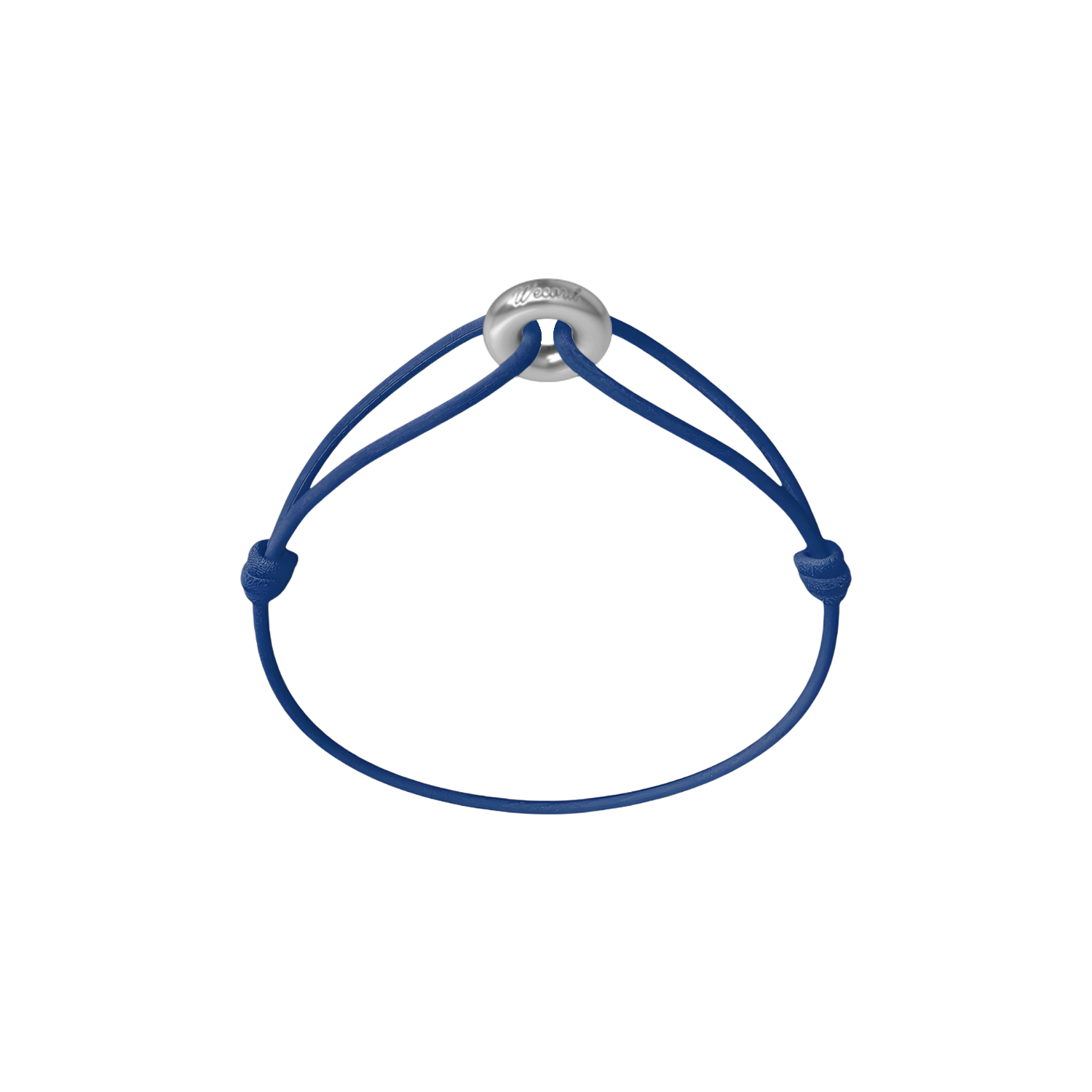
Cord bracelets deserve a separate note because they behave differently from metal. The cord used across the Wecord cord bracelets range is nautical grade, waterproof, and sweat resistant, which is why it handles showers and gym sessions without trouble. Prolonged soaking in chlorine or salt water is still worth avoiding, since it weakens any cord over time. The silver or vermeil charm itself does not wear out.
What You Can Wear Where
Can You Shower With Sterling Silver?
Occasionally, yes. Water alone will not damage rhodium plated sterling silver, and an occasional shower with a piece on is not going to ruin it. What causes the gradual dulling is not the water but everything dissolved in it: shampoo, conditioner, shower gel, and soap all leave a fine residue on the surface that builds up and takes the shine off.
The practical rule is simple. Take pieces off before the shower where you can, and if you do not, dry them properly afterwards rather than letting water sit on the surface and evaporate. Patting dry with a soft cloth takes five seconds and makes a visible difference over a year. The jewellery cleaning guide covers the full routine, including the popular home methods that quietly damage plated pieces.
Five Habits That Keep Any Piece Bright
On last, off first. After perfume, cream, and hairspray. Before the pool, the shower, and the gym.
Wipe after wear. A soft cloth removes the sweat and oils that dull a surface before they get the chance.
Store dry and separate. Air and moisture cause tarnish. A closed box beats an open dish every time.
Never use toothpaste. It is abrasive. On plated silver or vermeil it strips the finish rather than cleaning it.
Rotate your pieces. A ring worn seven days a week ages faster than the same ring worn three.
Red Flags When Buying "Tarnish Free" Jewellery
No base metal stated. The most reliable warning sign there is. Genuine fine jewellery names its materials precisely. Vague phrases like gold tone, gold colour, alloy, or simply metal almost always mean a reactive base under a thin coating.
No micron thickness given. If a piece is described as gold plated with no thickness, it is usually because the number is unflattering. Vermeil has a legal minimum of 2.5 microns and brands that clear it tend to say so.
Stainless steel sold as fine jewellery. Steel genuinely does not tarnish, which is why so much "waterproof jewellery" is made from it. It is a perfectly good material for the price, but it is not fine jewellery, it cannot be resized or repaired the same way, and it should be priced accordingly.
No warranty. A brand confident that a finish will hold puts a guarantee behind it. Every Wecord piece carries a 2 year worldwide warranty, which is a straightforward signal of what the materials are expected to do.
How Wecord Pieces Are Built
Every piece starts from 925 sterling silver handcrafted in Wecord's London ateliers. Silver pieces are finished with rhodium plating for tarnish resistance and a brighter white surface. Gold pieces use 18K vermeil at 3 microns, above the legal minimum and at the top of the category, over that same silver base, so there is no reactive brass anywhere in the piece. You can see the full gold range in the gold vermeil jewellery collection.
Cord bracelets pair those charms with nautical grade cord that is waterproof and sweat resistant, built for daily wear rather than careful occasions. That combination is the reason a Soho cord bracelet can be worn every day for years, and why the range works stacked rather than saved for best. On the fine jewellery side, the chain bracelets, necklaces, and earrings use the same materials, from the Unity Bracelet at £70 to the Regent Bracelet at £180.
If you want to judge the finish yourself before buying, the Wecord store at 60 Beauchamp Place in Knightsbridge stocks the full range, and handling a piece tells you more about its quality than any product description can. For the wider question of whether vermeil is the right choice for you at all, the honest vermeil buyer's guide covers it directly.
Frequently Asked Questions
Does sterling silver tarnish?
Unprotected sterling silver can tarnish over time through contact with air and moisture, but it is surface level and can be cleaned back to bright, unlike cheap plated jewellery. Most quality sterling silver is finished with rhodium plating, a platinum family metal that resists tarnish and keeps the surface bright through daily wear.
Is any jewellery genuinely tarnish free?
Tarnish resistant is the honest term. Rhodium plated sterling silver and thick gold vermeil over a silver base resist tarnish extremely well with normal wear and care. Stainless steel does not tarnish at all, but it is a fashion material rather than fine jewellery. Be cautious of anything marketed as permanently tarnish free with no materials stated.
Can you shower with sterling silver jewellery?
Occasionally, yes. Water alone will not harm rhodium plated sterling silver. The issue is shampoo, conditioner, and soap, which leave a residue that dulls the finish over time. Take pieces off where you can, and if you do not, dry them with a soft cloth rather than letting water evaporate on the surface.
Can you swim in waterproof jewellery?
Not in a chlorinated pool. Chlorine pits metal and strips plating, and the damage is usually permanent rather than something cleaning will fix. Sea swimming is better but salt corrodes over time and sand scratches polished surfaces. Rain, sweat, and hand washing are all fine.
Why does some jewellery turn skin green?
Because the base metal underneath is brass or copper. Once the thin coating on top wears through, the reactive base metal contacts skin directly and produces the green mark. Jewellery built on a sterling silver base does not do this, which is why the base metal matters more than any other single factor.
What is the most durable finish for everyday jewellery?
For silver tones, rhodium plated 925 sterling silver. For gold tones, 18K vermeil at 2.5 microns or more over a sterling silver base. Both are built to hold their colour through daily wear, and both can be worn stacked and rotated rather than saved for occasions. The jewellery collection uses these across the range.
How do I stop my jewellery tarnishing?
Put pieces on last and take them off first, wipe them with a soft cloth after wear, store them dry and separately rather than loose in an open dish, keep them away from chlorine and perfume, and rotate between pieces so no single item takes all the wear. Never use toothpaste or abrasive polishes on plated finishes.
Is stainless steel jewellery better than sterling silver?
Not better, different. Stainless steel does not tarnish and costs less, which suits fashion pieces. Sterling silver is a precious metal, sits better on the skin, can be repaired and restored, and carries the weight and finish of fine jewellery. If a piece is priced as fine jewellery, it should be silver or gold rather than steel.
Built to Be Worn Every Day
925 sterling silver with rhodium plating, 18K gold vermeil at 3 microns, and waterproof nautical grade cord. Every piece carries a 2 year worldwide warranty.
더 읽기
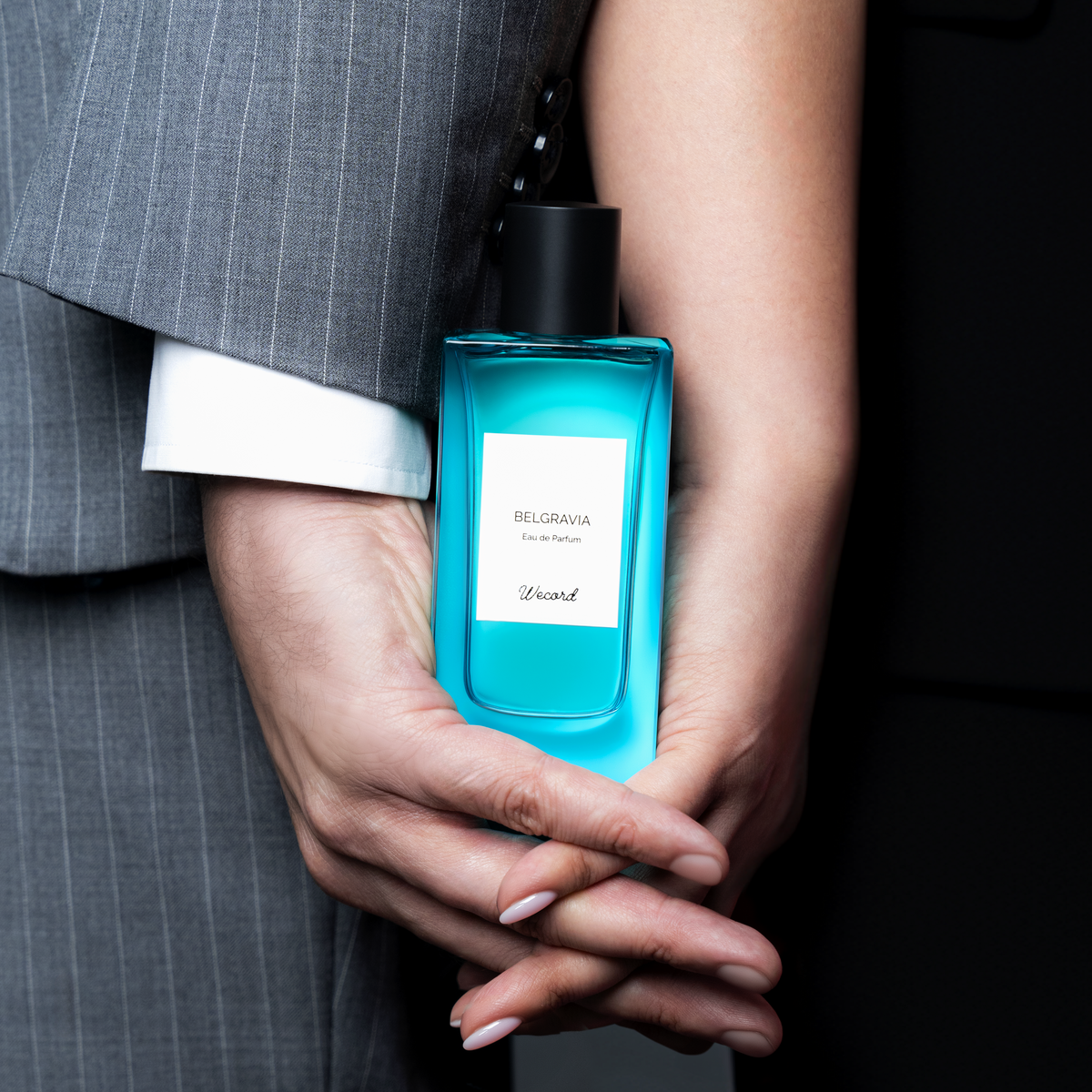
A fragrance is the most personal thing you wear. It is the one part of your style people notice without seeing, the trace you leave in a room after you have left it. Choosing the right one is not ...
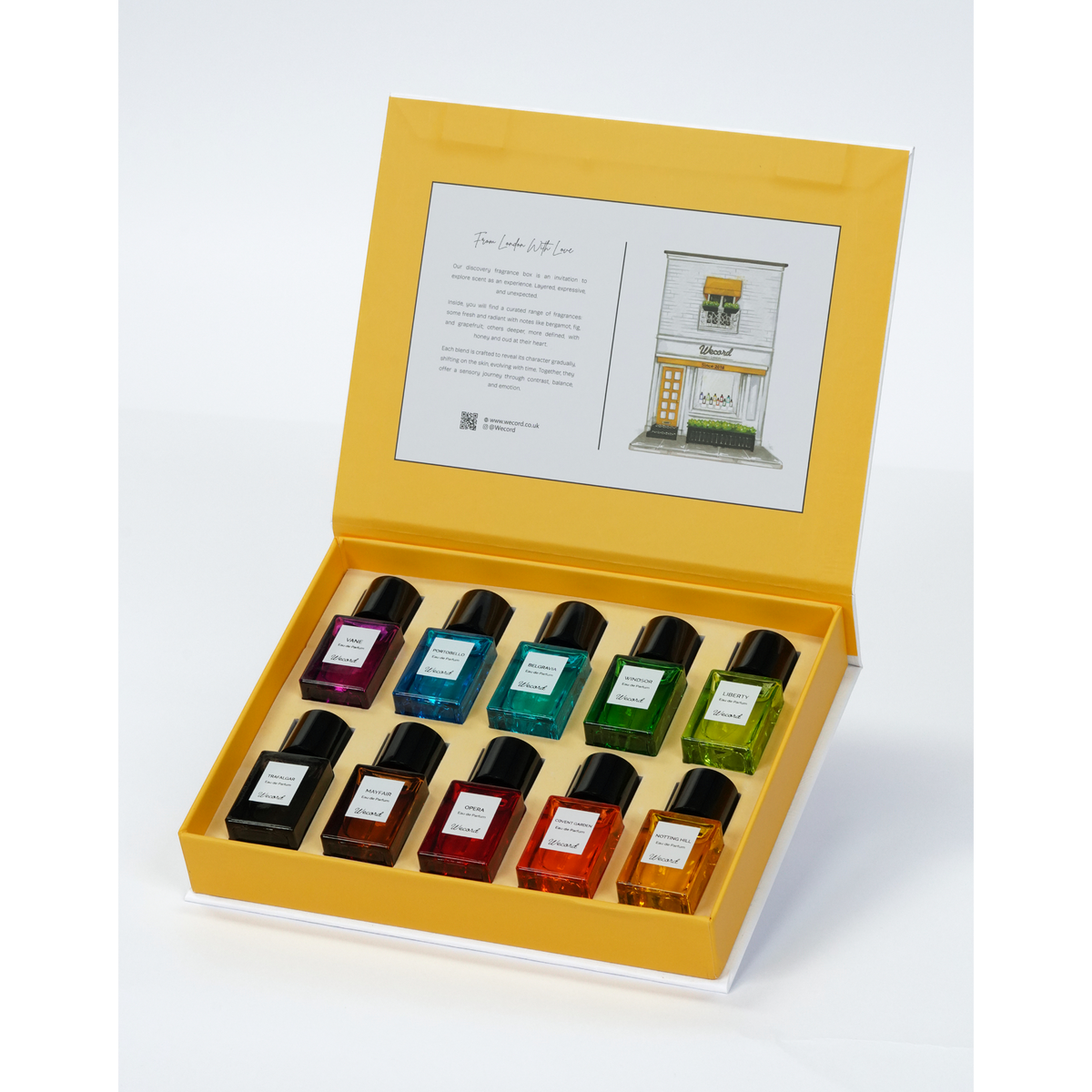
A fragrance is the most personal thing you wear. It is the one part of your style people notice without seeing, the trace you leave in a room after you have left it. Choosing the right one is not ...