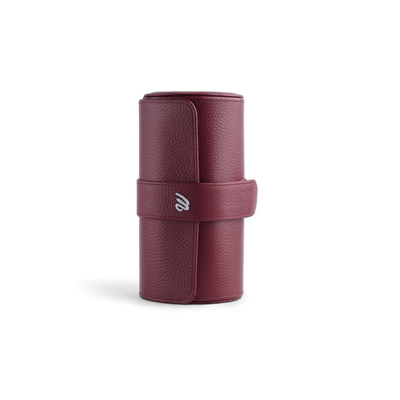
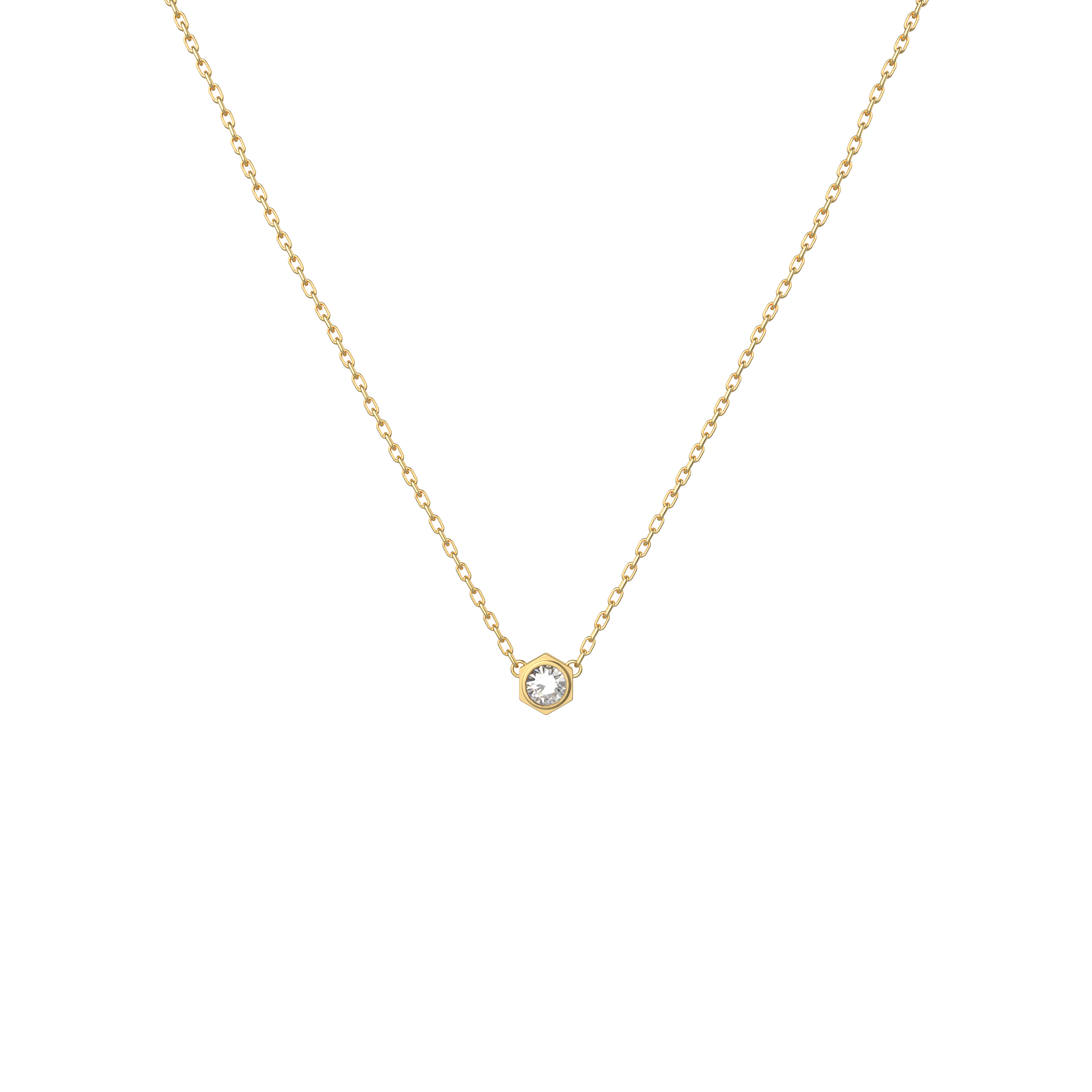
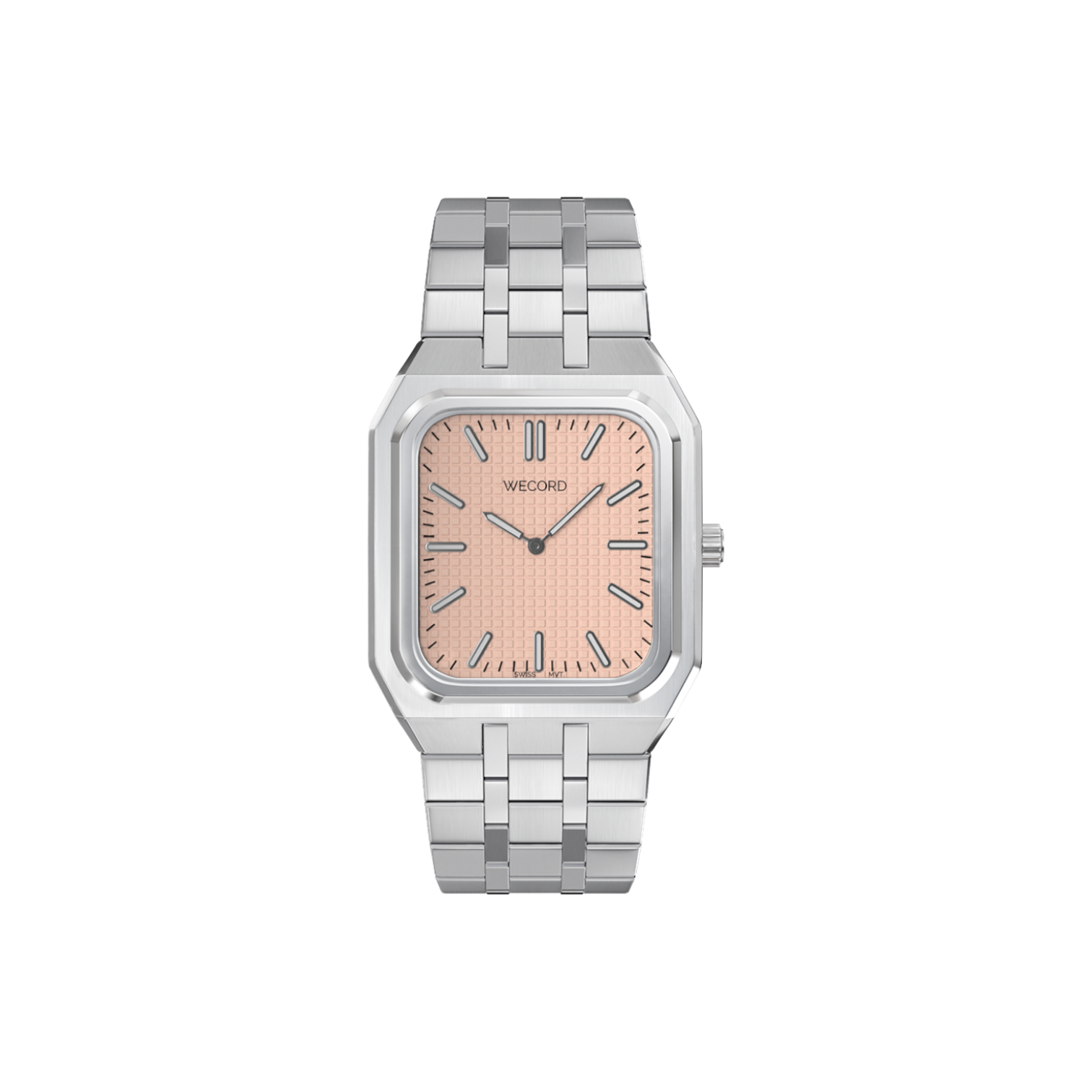
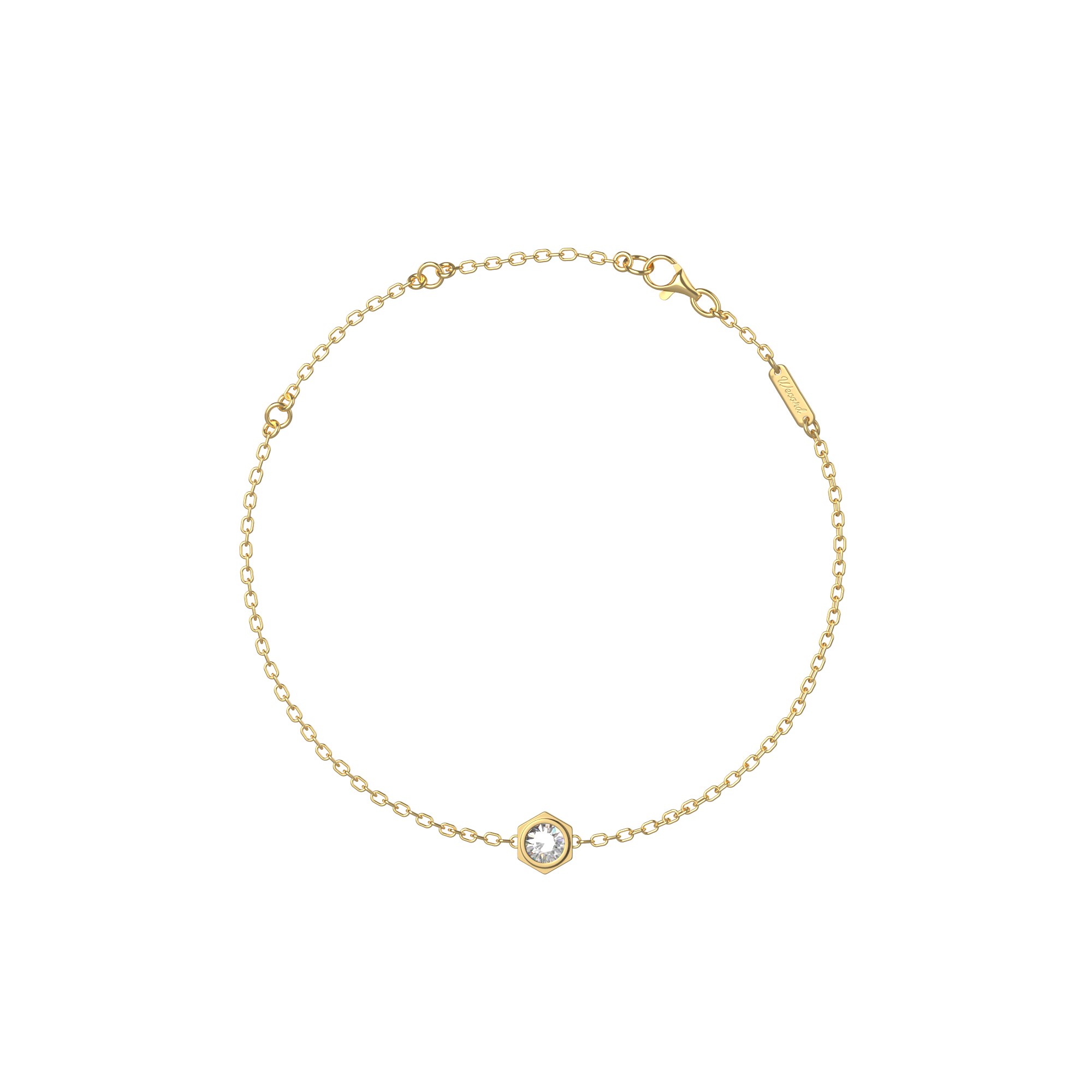
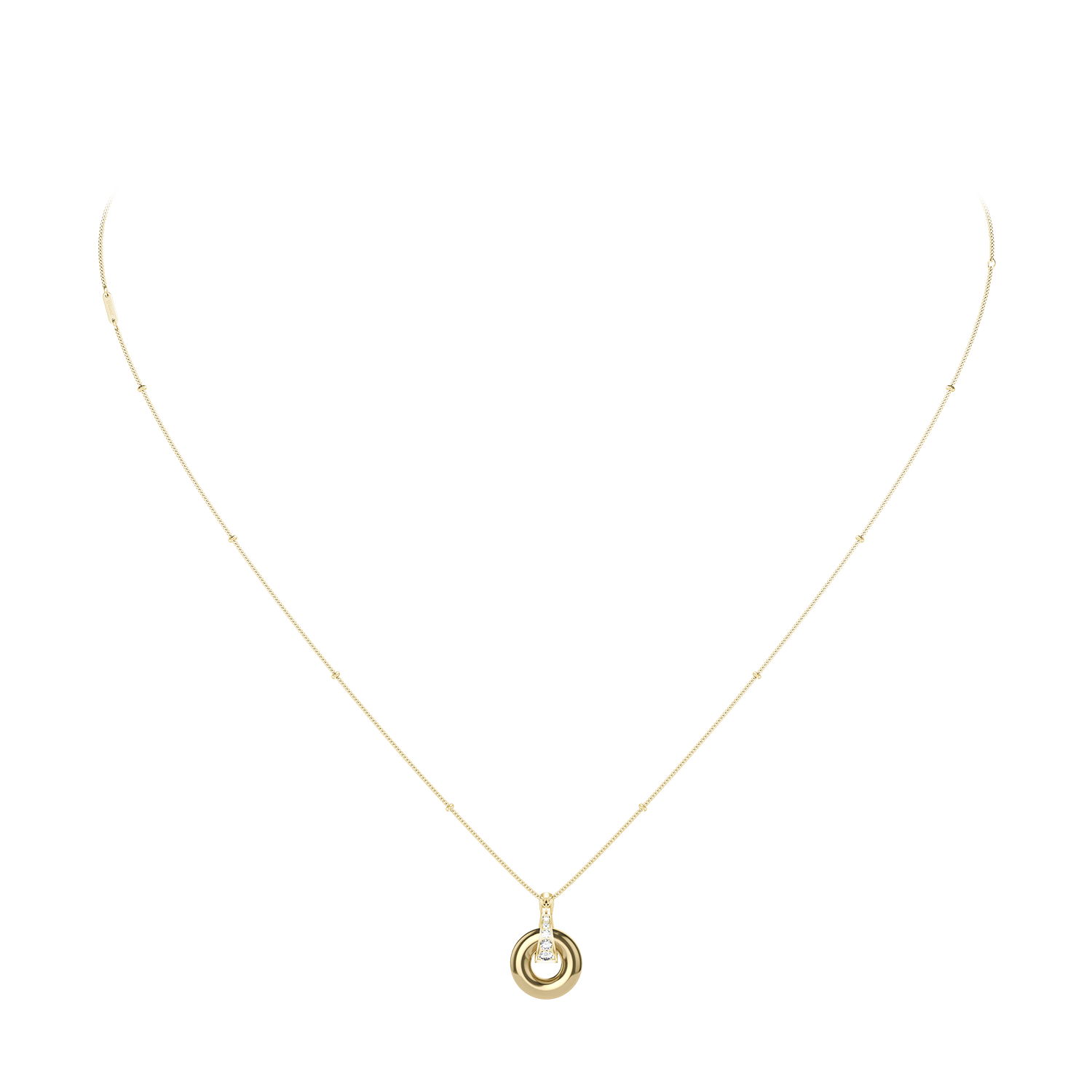
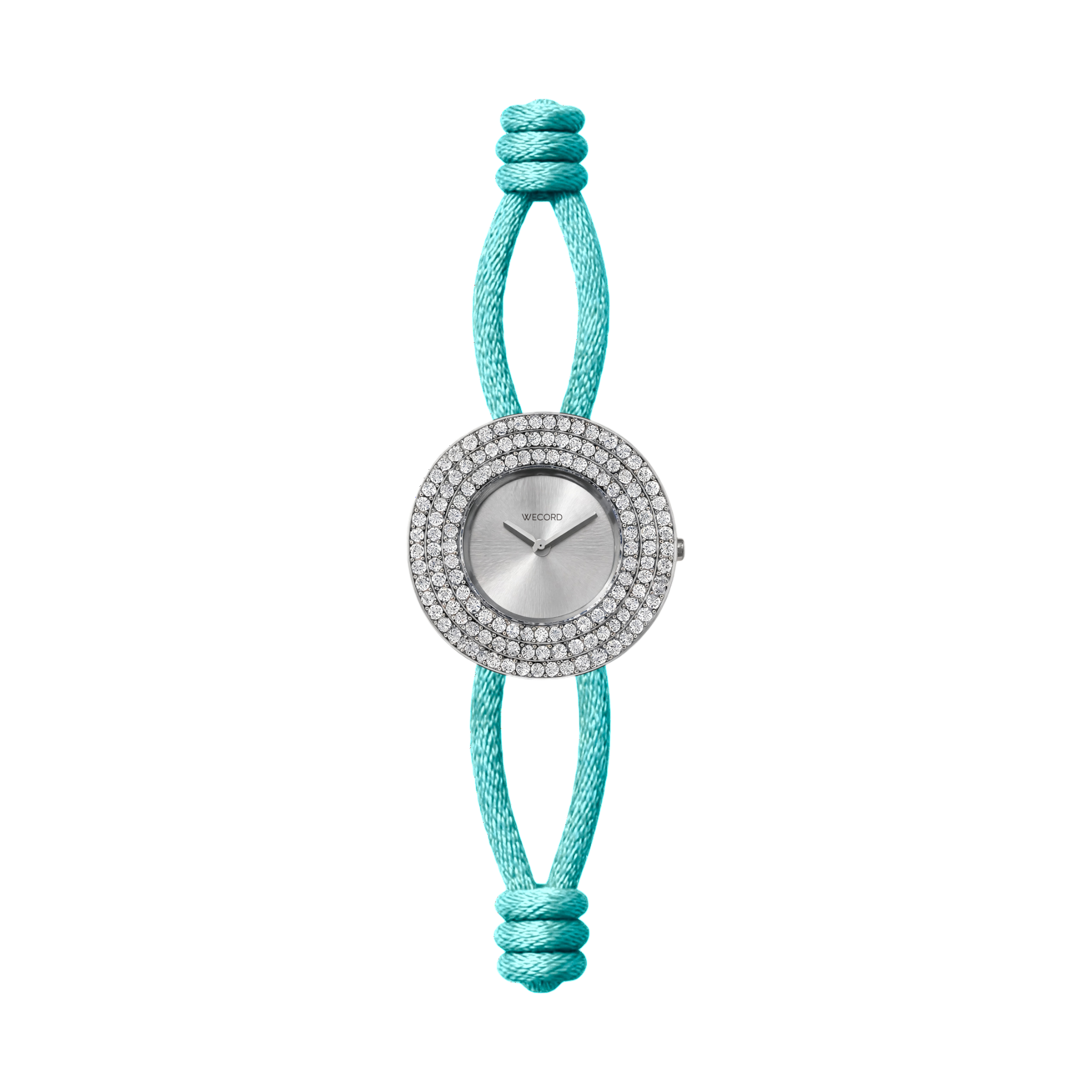
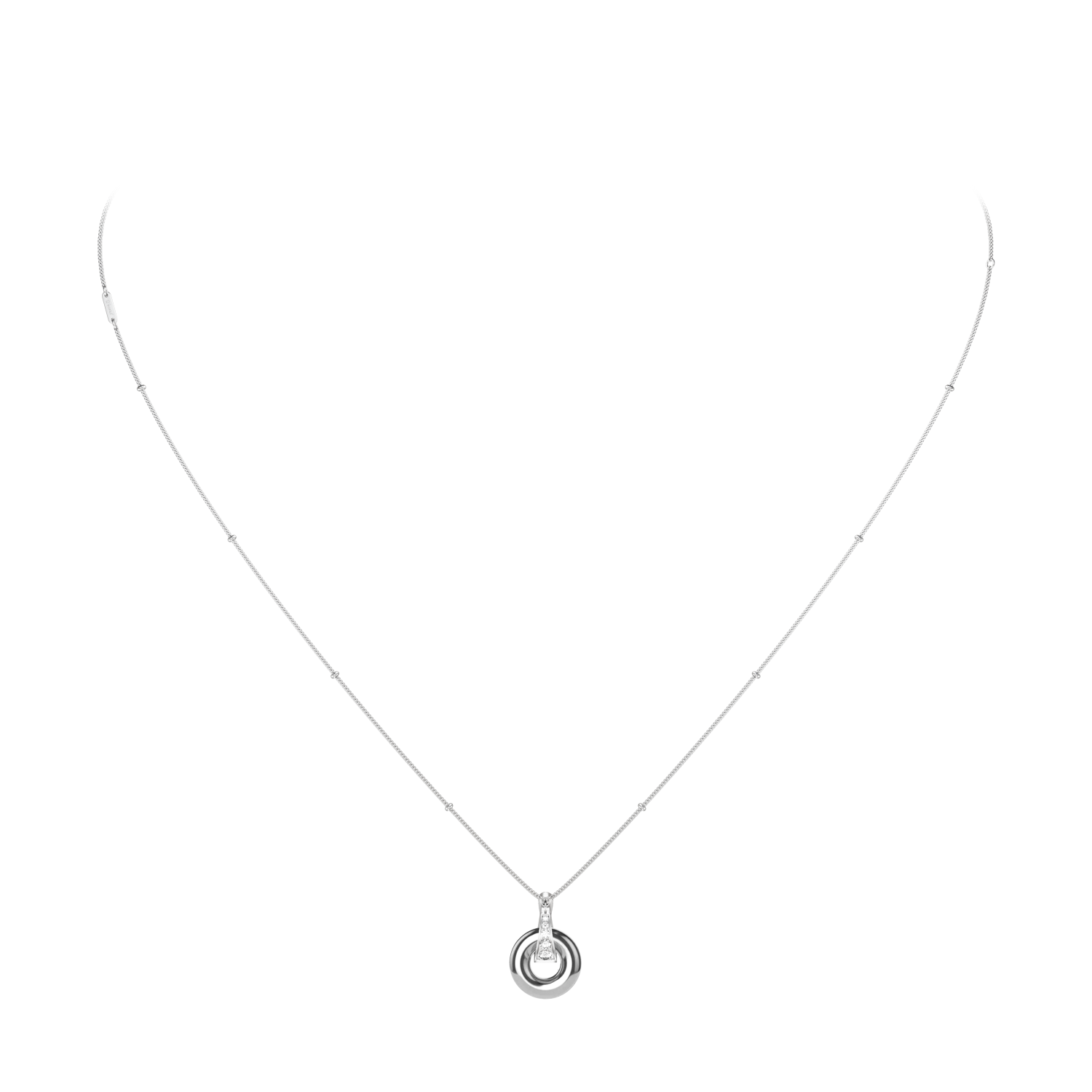
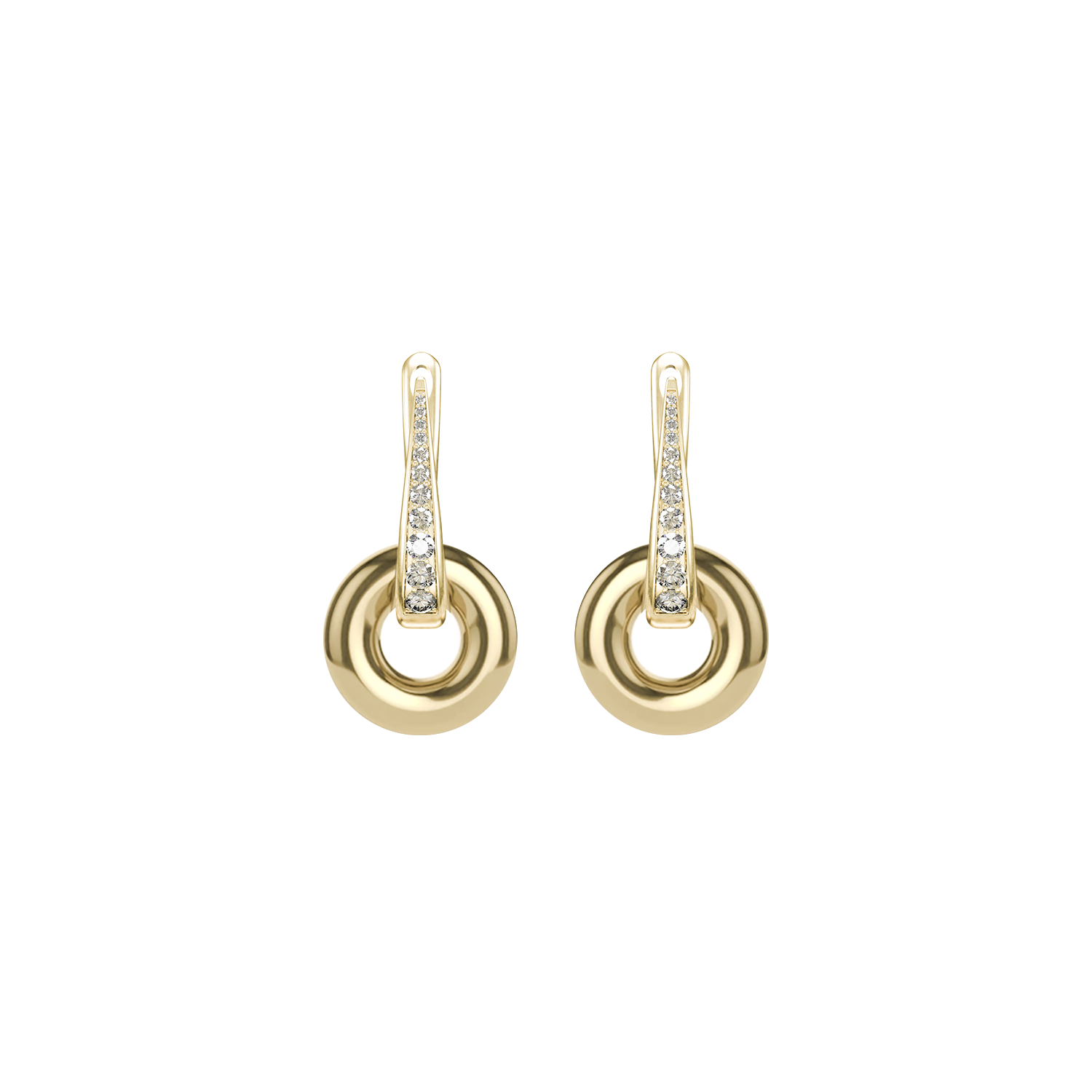
What is a push present
A push present is jewellery (most commonly), or another meaningful gift, given to a woman around the time she gives birth. The name comes from the act of giving birth itself. The custom is older than people realise (versions of it exist in many cultures going back centuries) but the term as it is used in the UK today became common in the 2000s, and has accelerated in popularity over the last ten years.
The gift is usually given by the partner, often within the first few days of the baby being born. Some couples give the gift in the hospital itself; others wait until the family is home and settled. The format varies. Jewellery is the most common, but watches, handbags, weekend trips, and bespoke commissions all sit within the push present category in the UK.
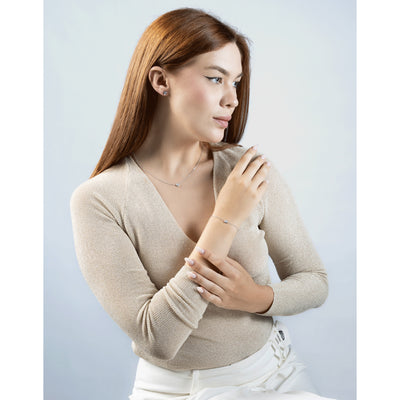
What makes a piece specifically a push present rather than a generic jewellery gift is usually one thing: a connection to the baby. The baby's name engraved on the back of the piece. The birth date set into a charm. The baby's birthstone in the setting. The piece becomes a permanent record of the moment, and the mother wears it for years afterward as a reminder of the day she became a mother to that specific child.
Why partners give push presents (and why some don't)
Three reasons drive the gift in most UK households.
The first is acknowledgement. Pregnancy is forty weeks of physical and emotional change for the mother that cannot really be matched by anything the partner does. The push present is a way for the partner to say I saw what you went through, and it mattered. Birth itself, particularly for first-time mothers, can be a long, exhausting, frightening experience that does not always go to plan. The piece is a marker that the partner was there for it.
The second is permanence. The first weeks of a newborn's life pass in a blur. Many mothers describe the postnatal period as a haze of feeds, naps, and surprise visitors. A piece of jewellery given in those weeks becomes one of the few stable things from a period that otherwise blurs. Years later, the bracelet on her wrist or the necklace at her collarbone is the artefact that brings the memory back.
The third is the family record. Engraved push presents become small heirlooms. The piece given to the mother at her first child's birth often becomes a piece her daughter or son inherits later. The baby's name on the back of the charm matters more in twenty years than it does in the first month.
Not every couple gives a push present, and that is a perfectly normal choice. Some mothers ask for the budget to be spent on the baby instead. Some couples have never adopted the tradition. Some give a non-jewellery push present (a piece of art commissioned for the baby's room, a watch the partner wears, a holiday taken when the baby is six months old). The point of the gesture is that it is a recognition of the moment. The exact form is up to the household.
The Wecord pieces that work as push presents
The push present has its own gifting brief, distinct from a wedding gift, anniversary gift, or birthday gift. The piece needs to feel personal to the new baby (which is what engraving handles), it needs to be wearable in the postnatal period (which rules out chunky or sharp pieces around a tiny baby), and it needs to feel proportionate to the moment without overshooting it.
Within the Wecord catalogue, four ranges sit cleanly within this brief.
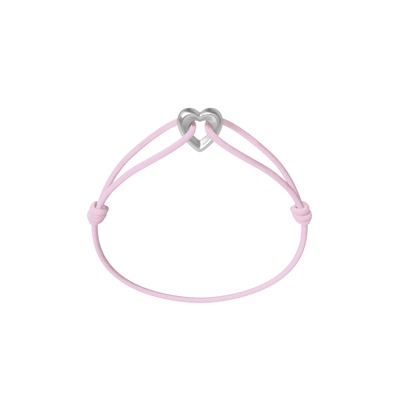
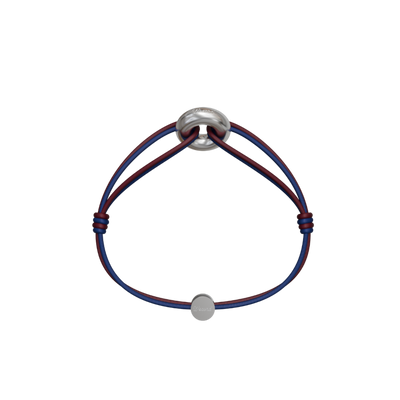
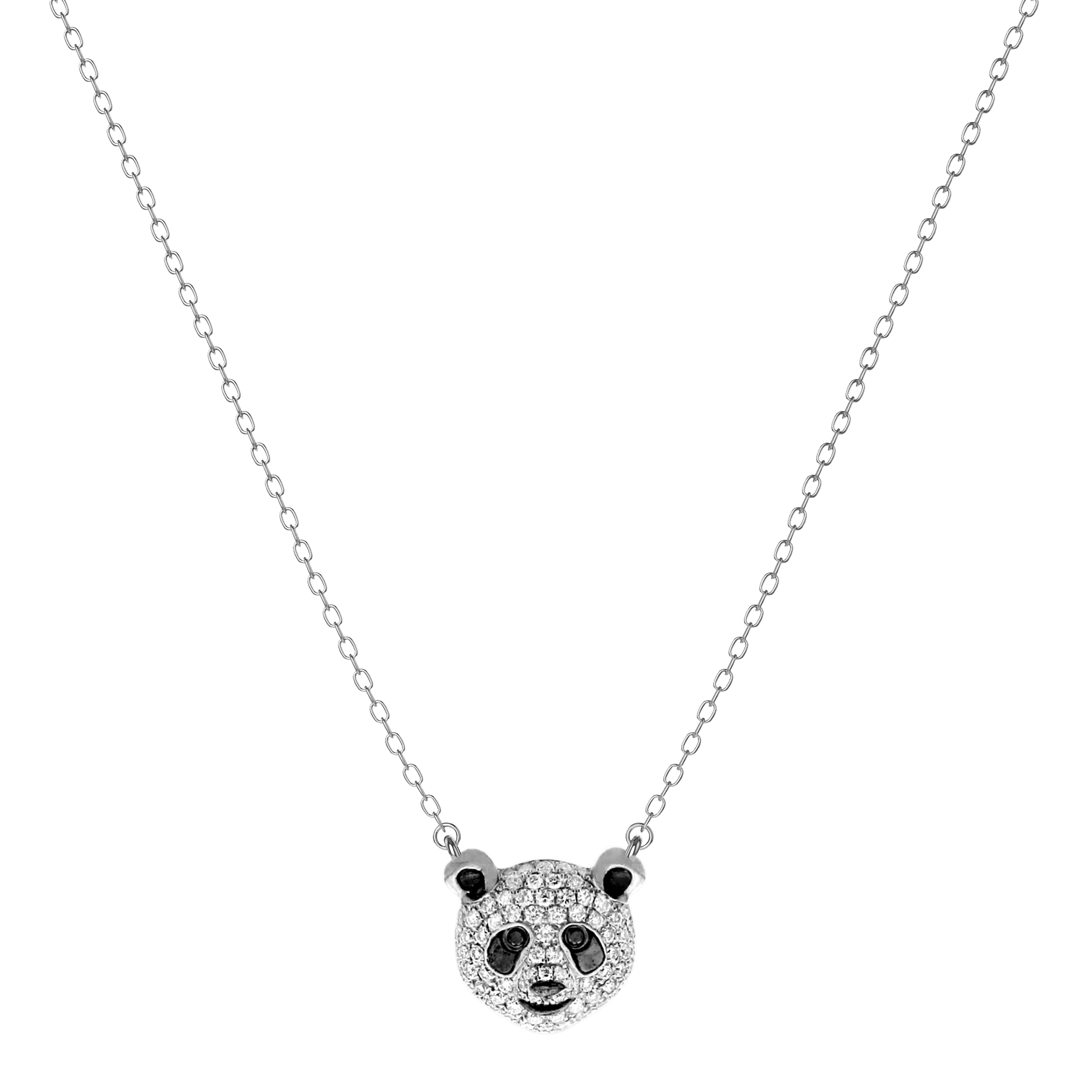
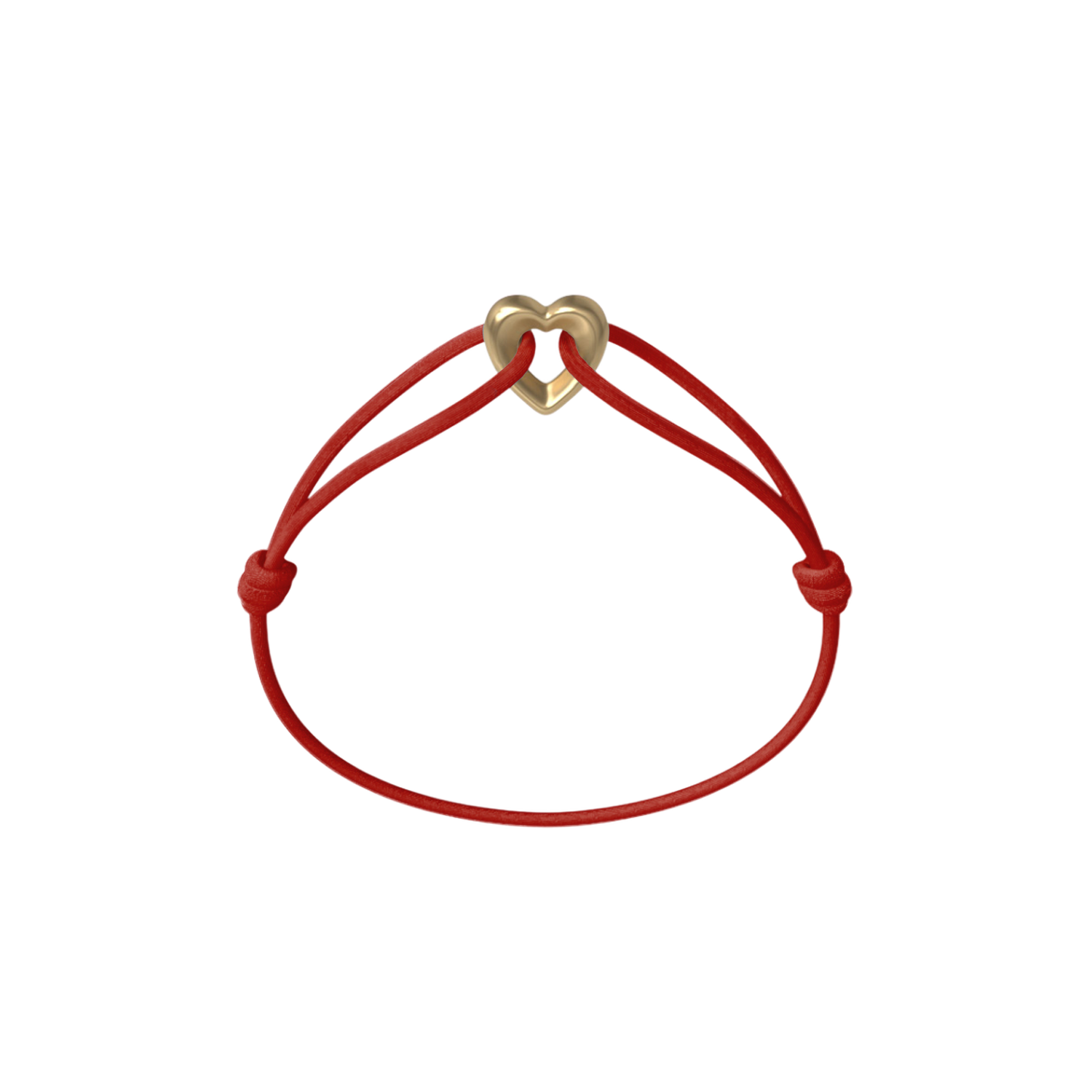
The Heart Collection is the most direct symbolic fit. The Heart charm is small, smooth, and sits flat against the skin without catching on a sleeping baby's clothes. The collection runs across silver, gold vermeil, and rose gold vermeil, so the metal can match the new mother's existing jewellery. The Heart Cord Bracelet is the most-given single piece in this range, with the engraving applied to the back of the heart charm.
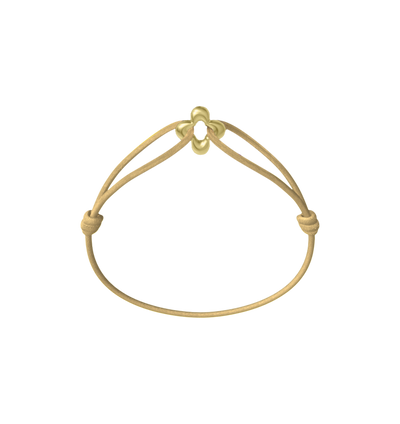
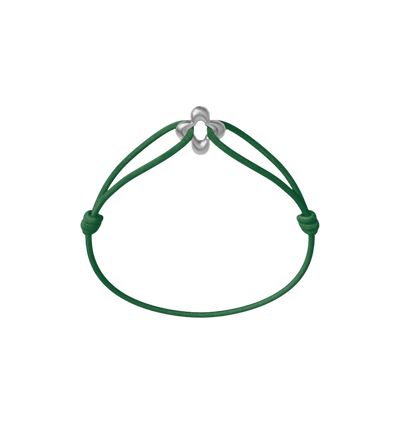
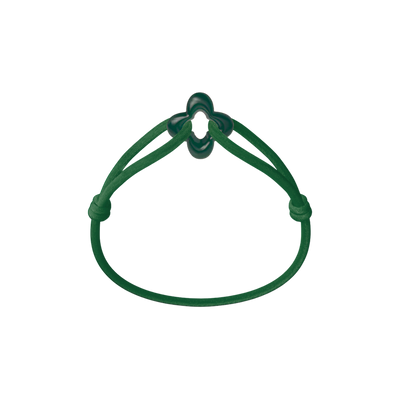
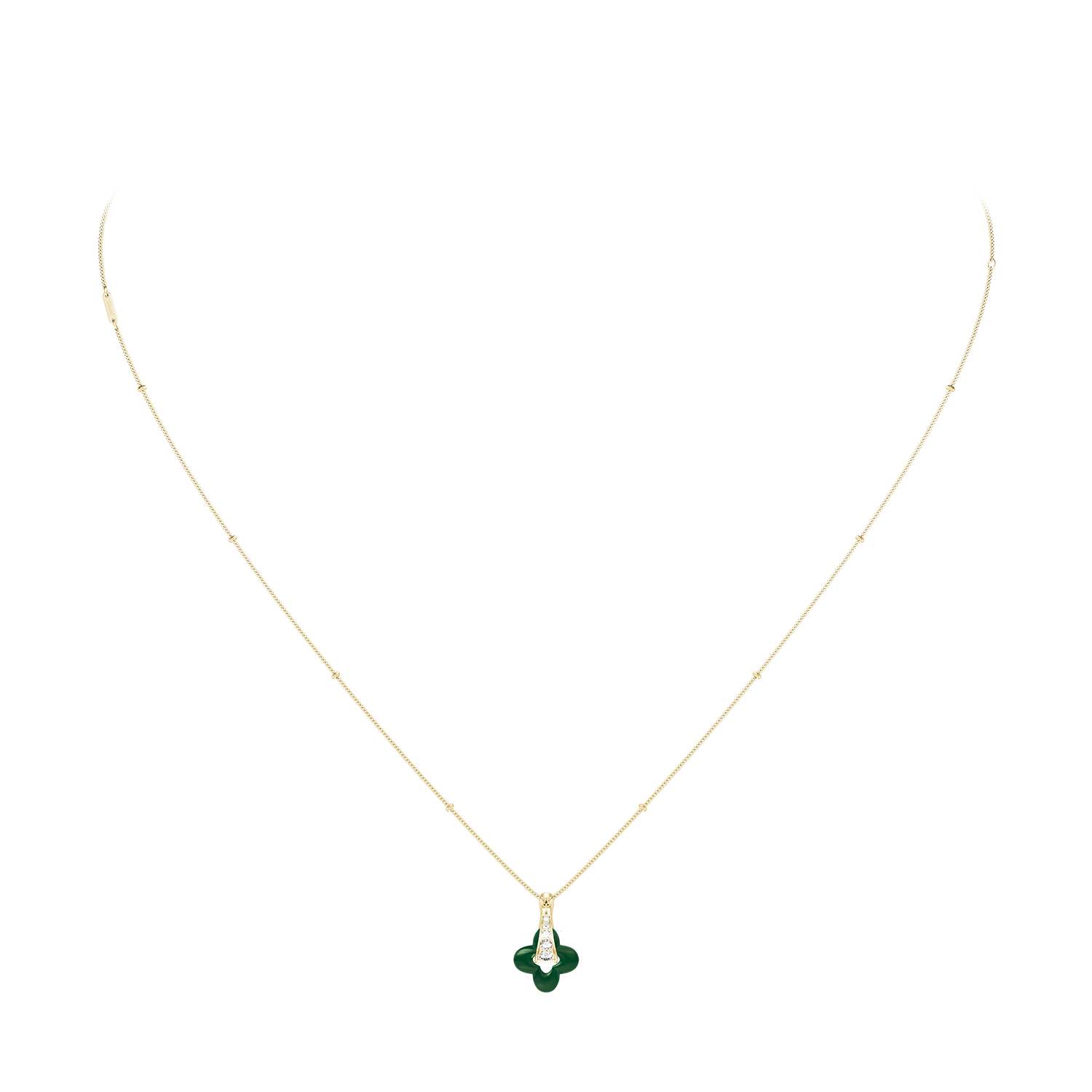
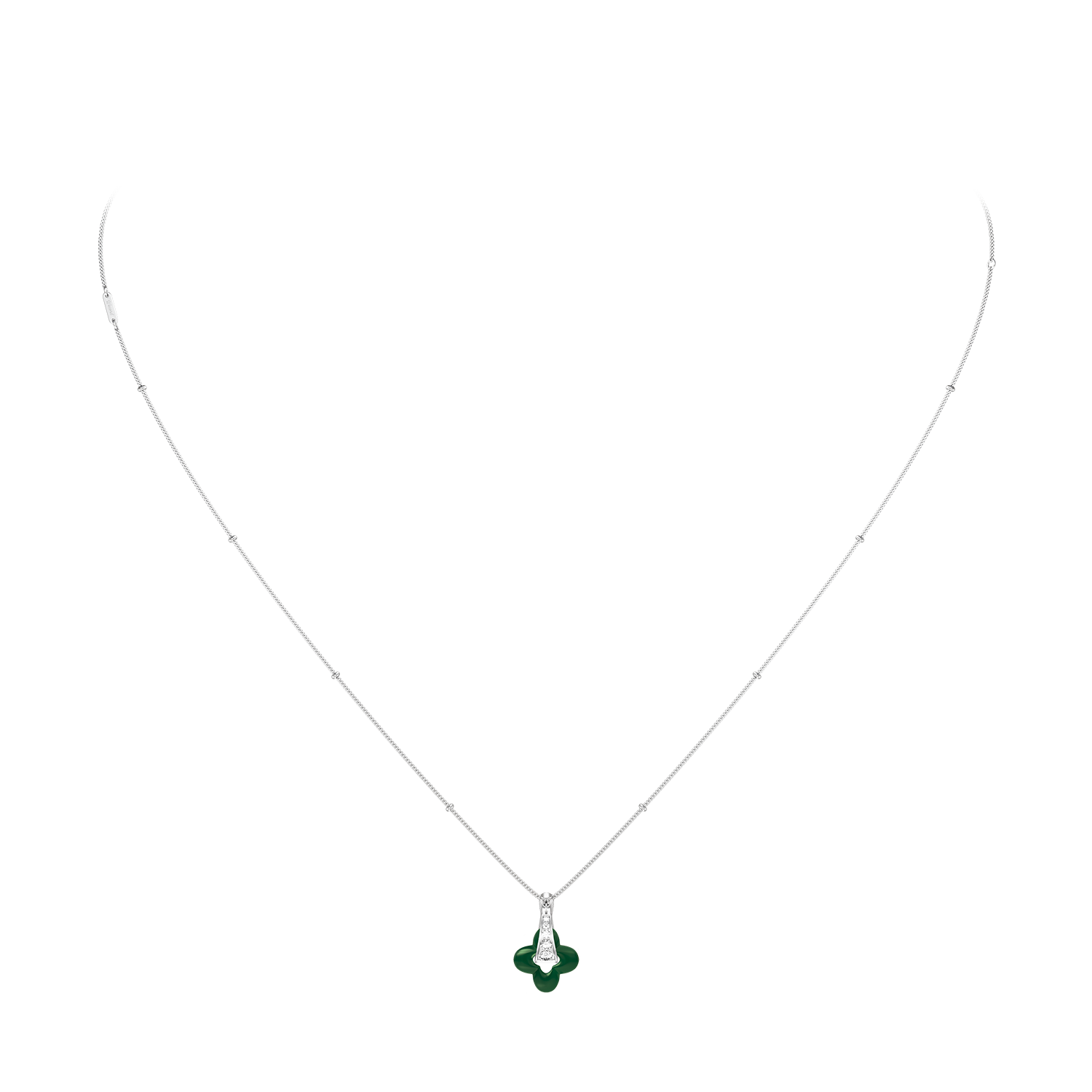
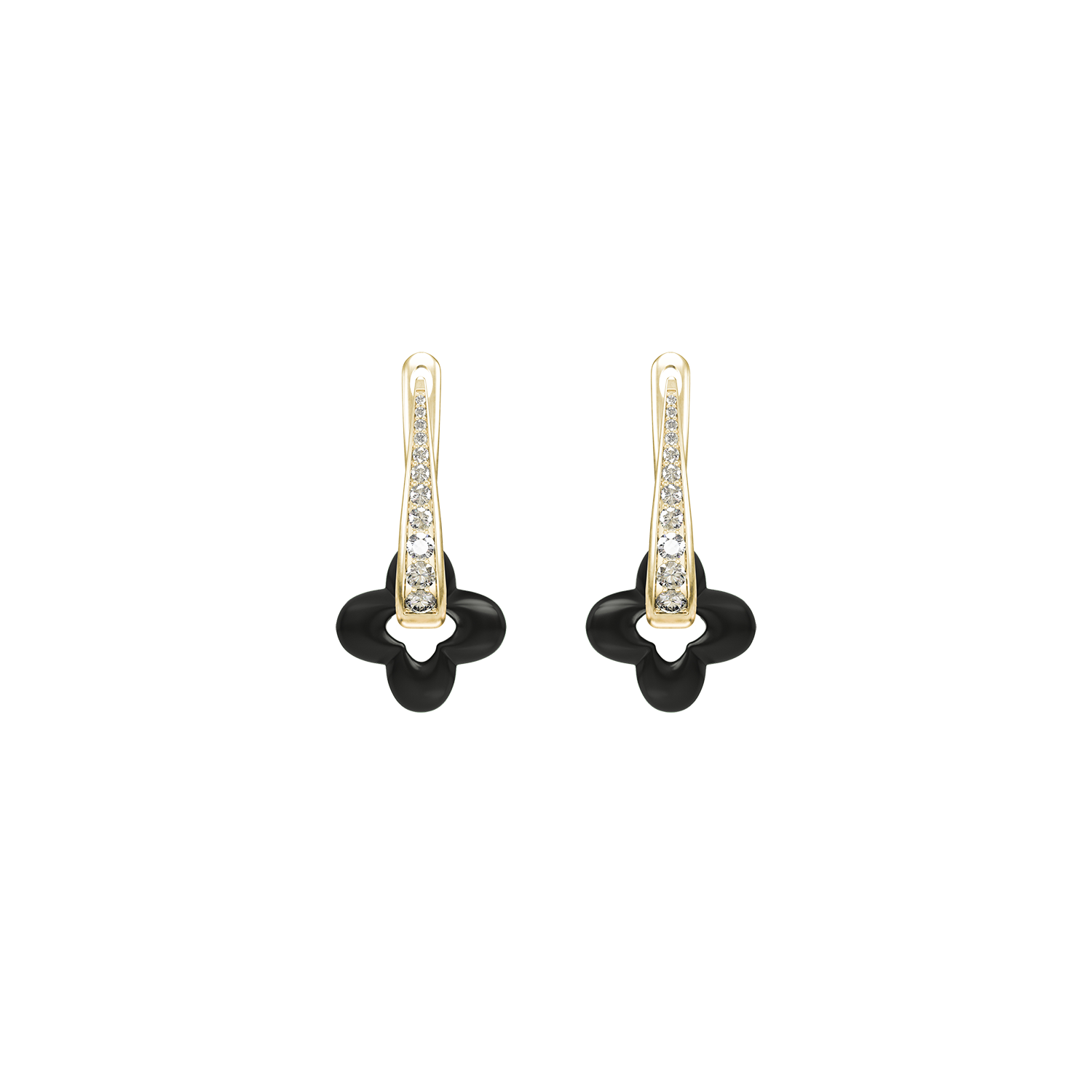
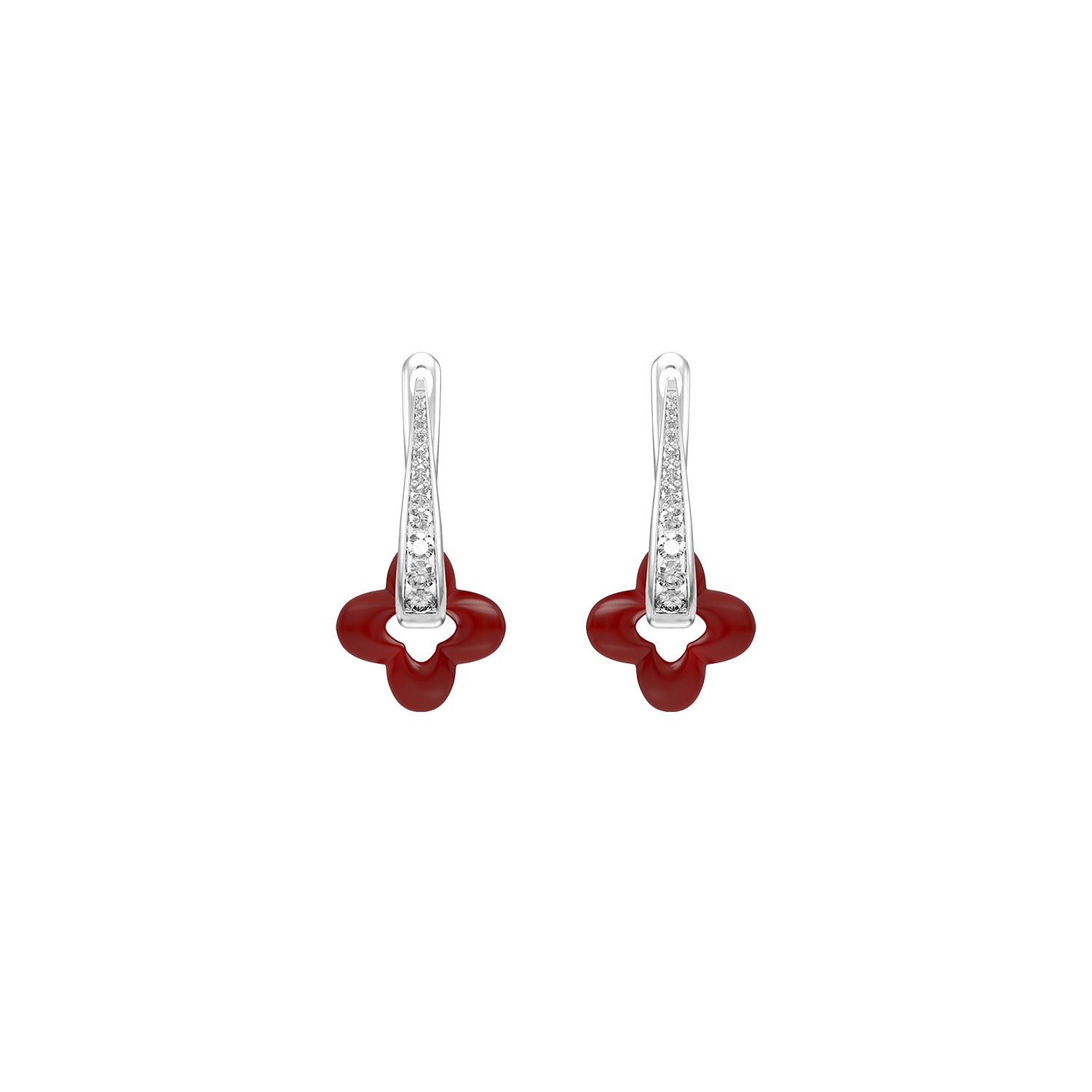
The Clover Collection works through symbolism rather than romance. The four-leaf clover has carried a meaning of luck and protection for centuries, and many parents associate it with watching over a new baby. The Mini Golden Clover and Mini Silver Clover are the most-given Clover pieces for push presents, often engraved with the baby's name or initials on the back of the charm.
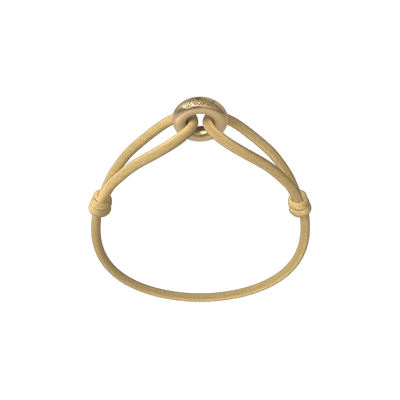
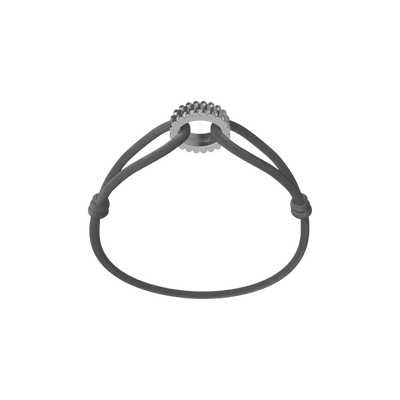
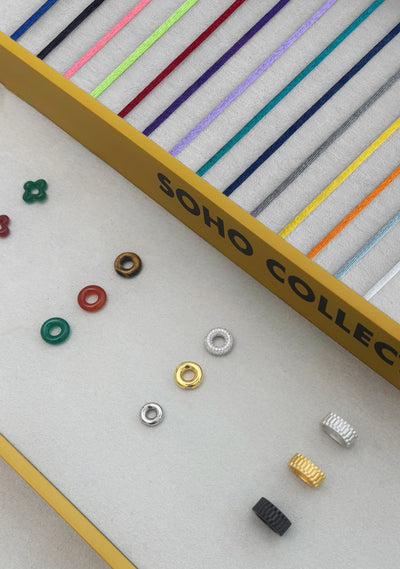
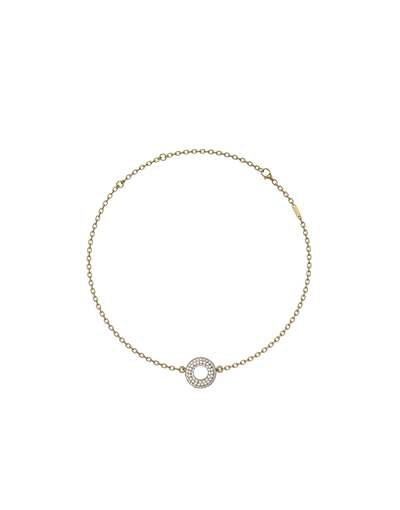
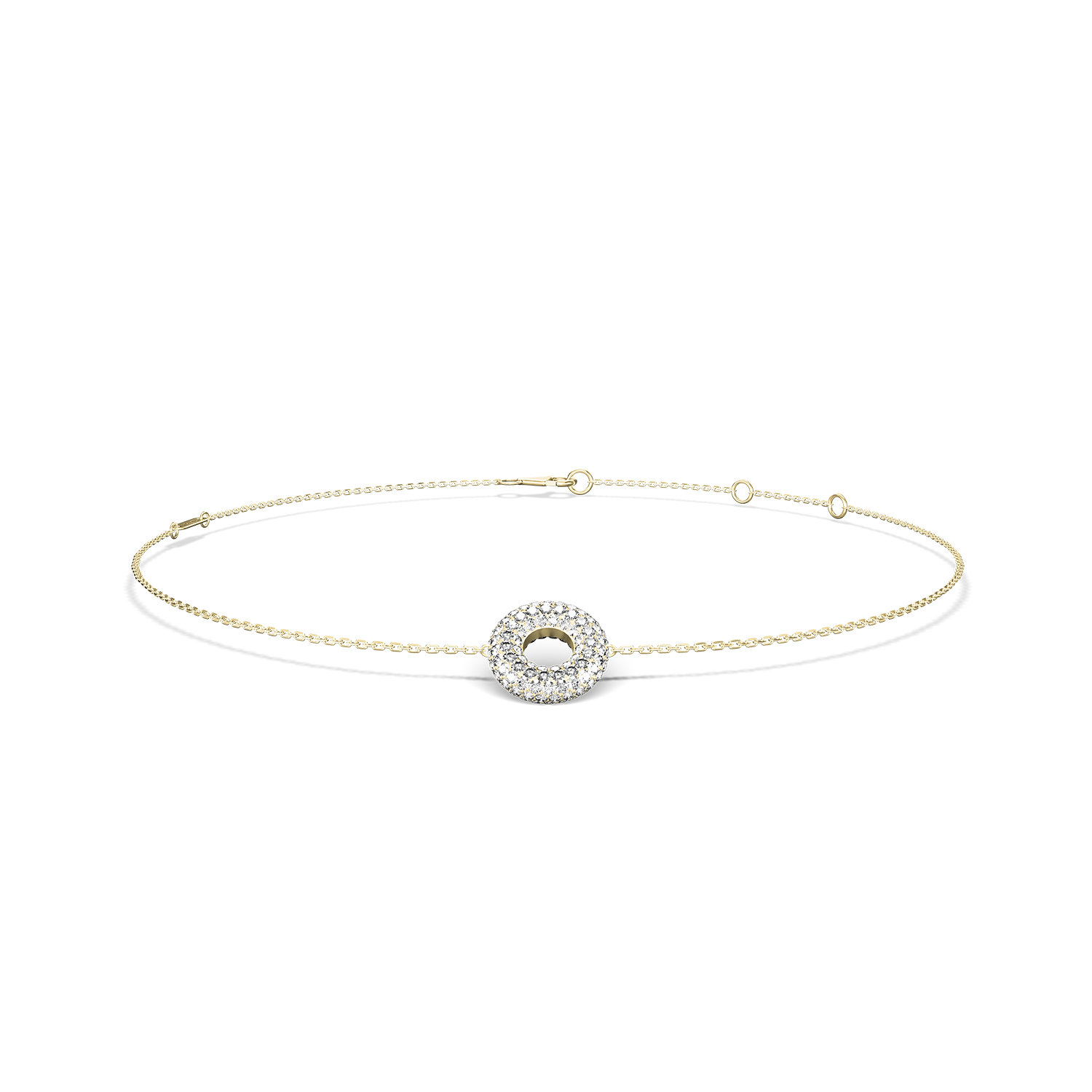
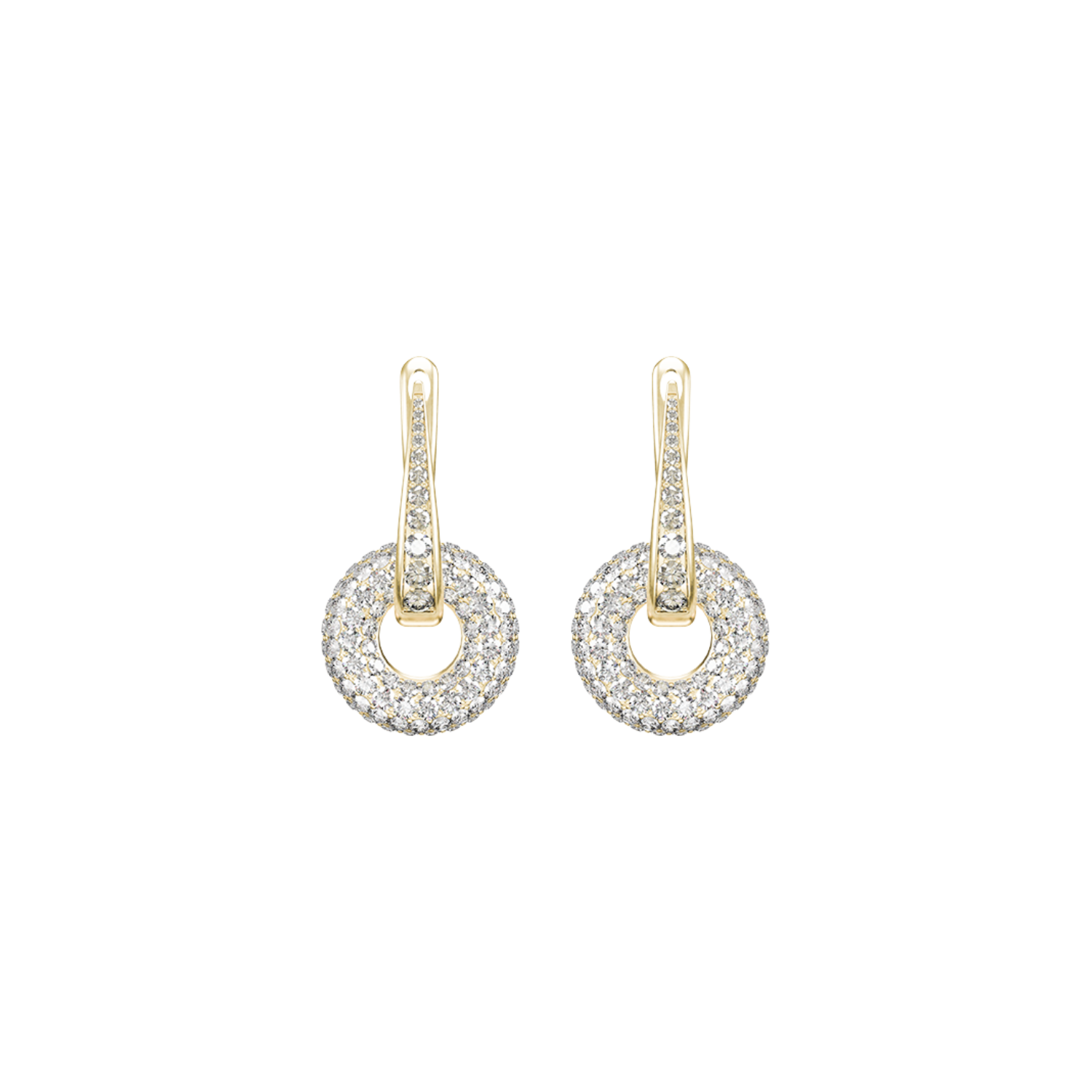
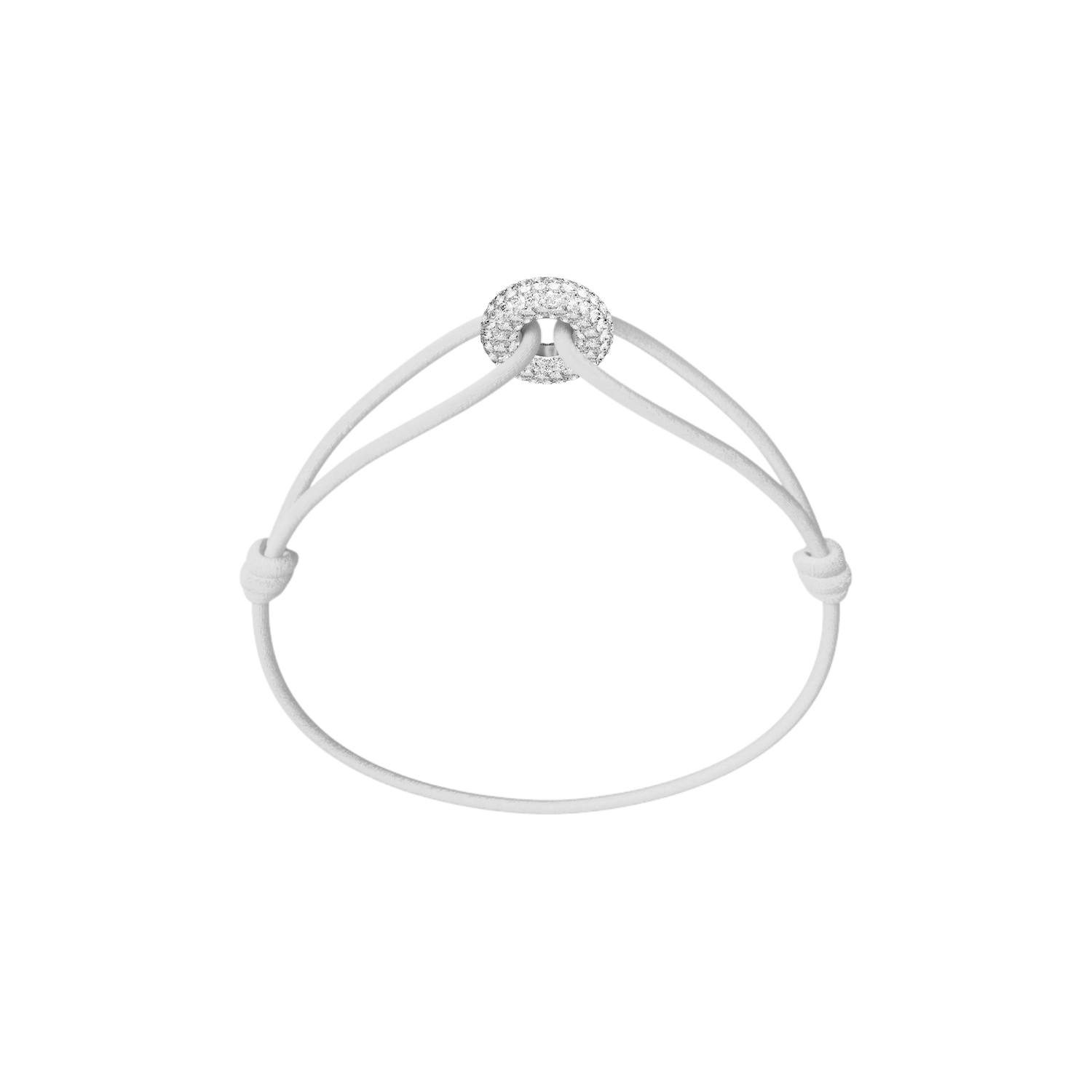
The Soho Collection at its Pavé tier (the lab-grown diamond pieces) is the higher-budget push present. The Silver, Golden, and Rose Soho Pavé bracelets sit at the price point most UK buyers reach for when the gift is meant to be substantial and the partner has been planning the present for months in advance. The diamonds in the Pavé range are lab-grown rather than mined, which means the diamond presence is real but the price reflects daily-wear use rather than safe-deposit-box pricing.
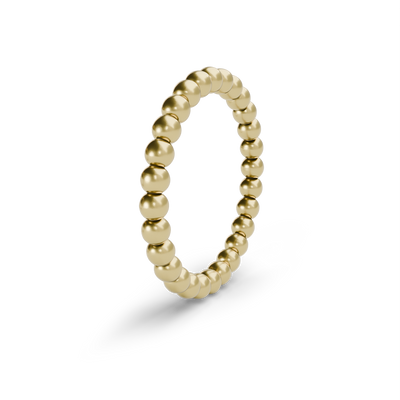
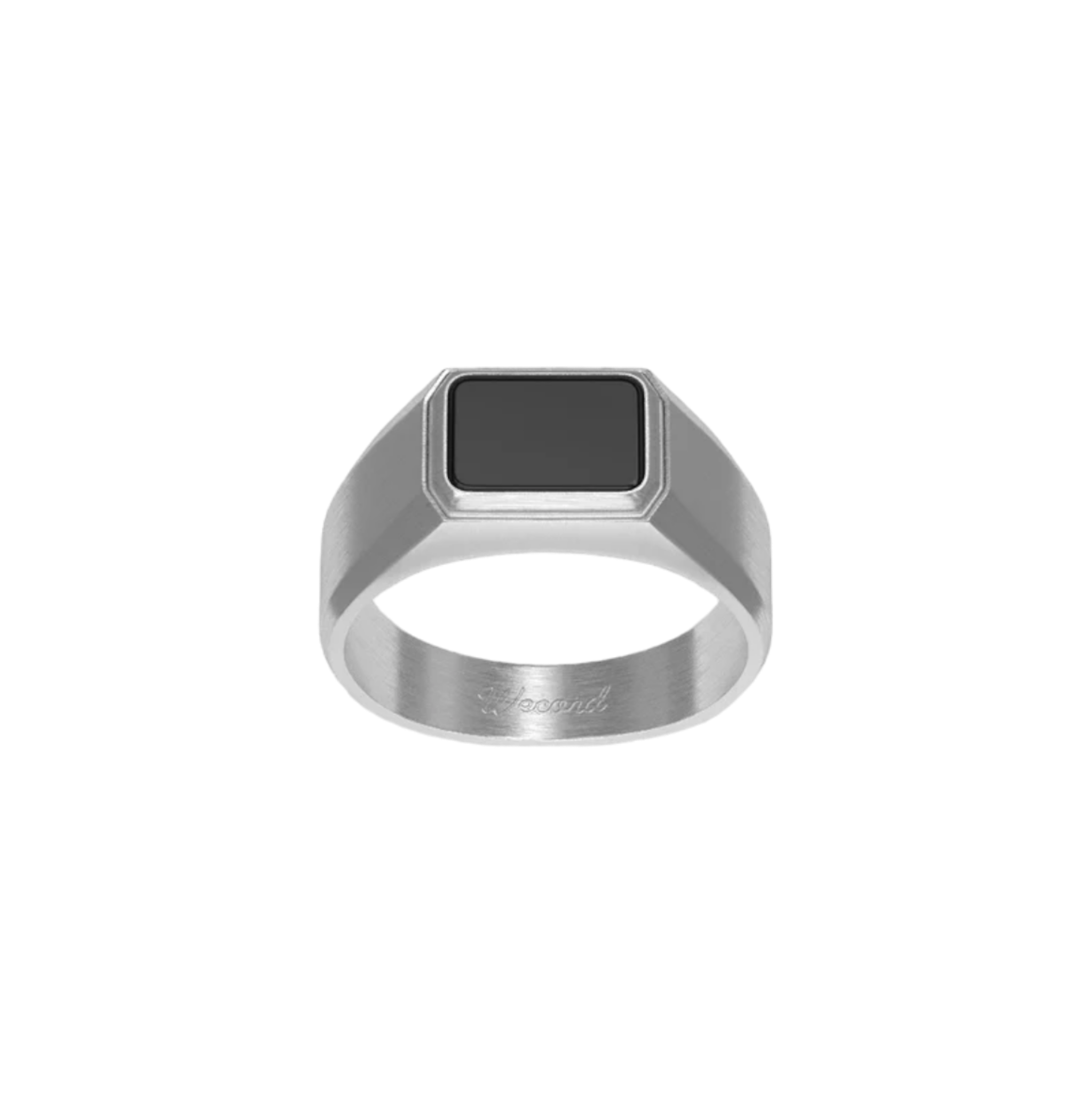
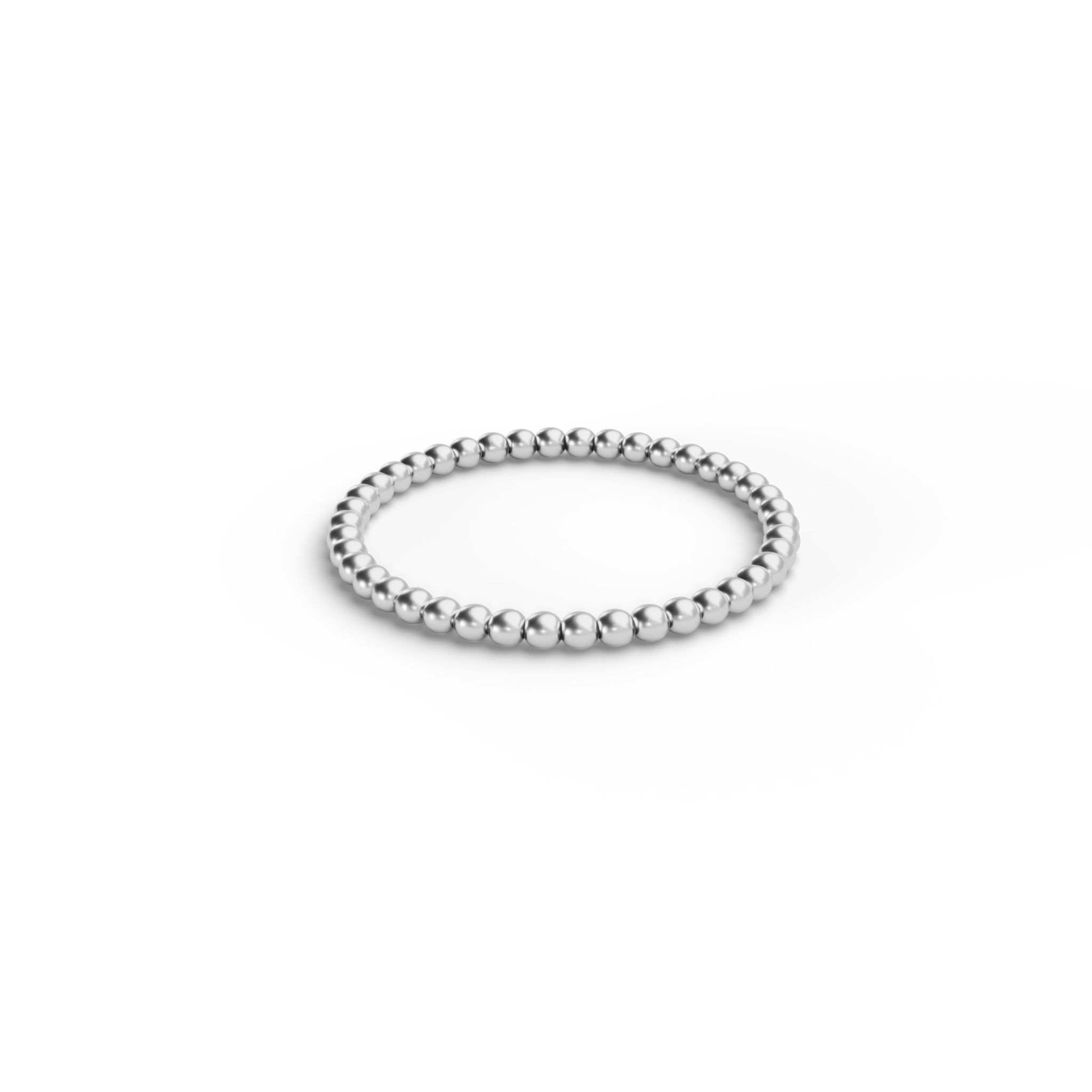
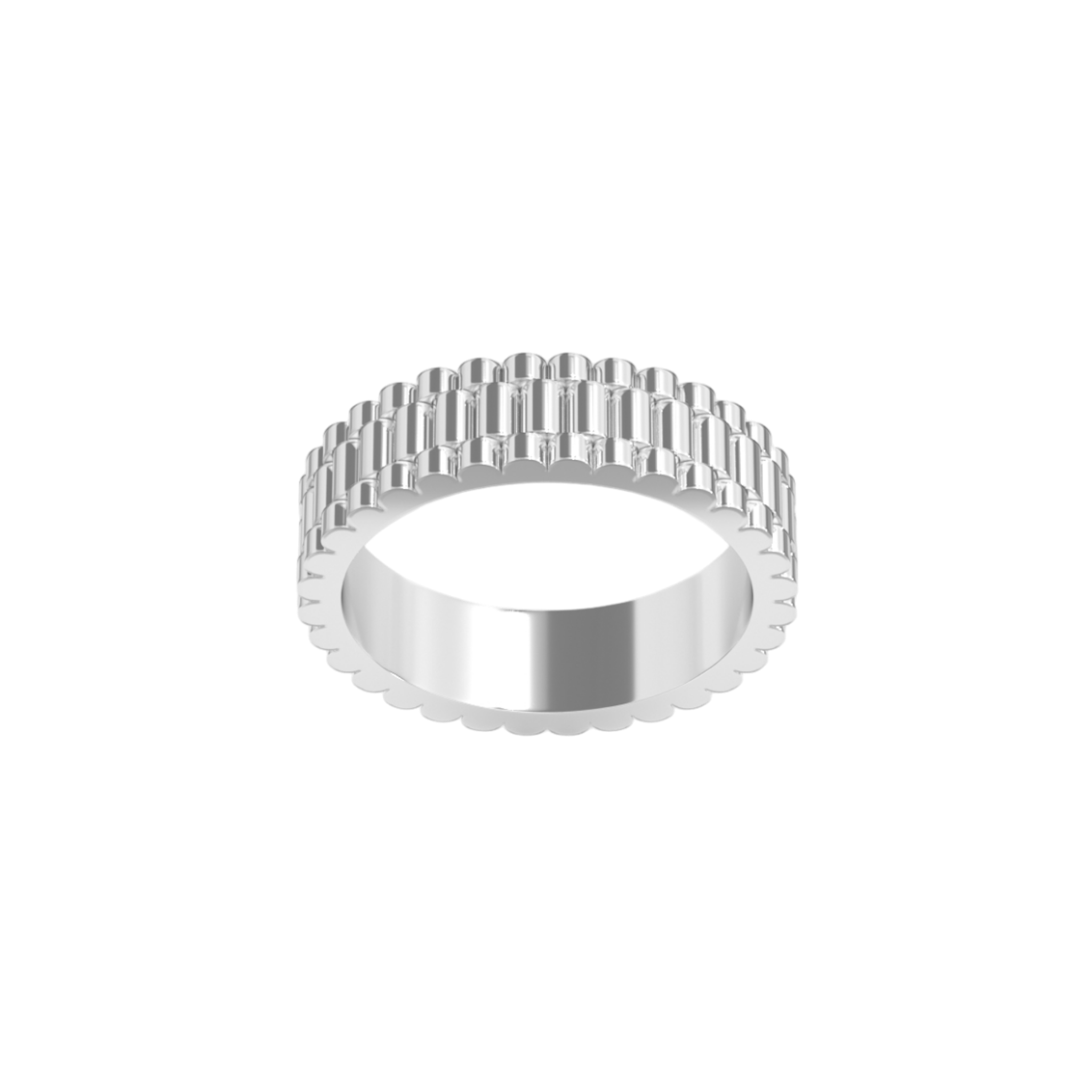
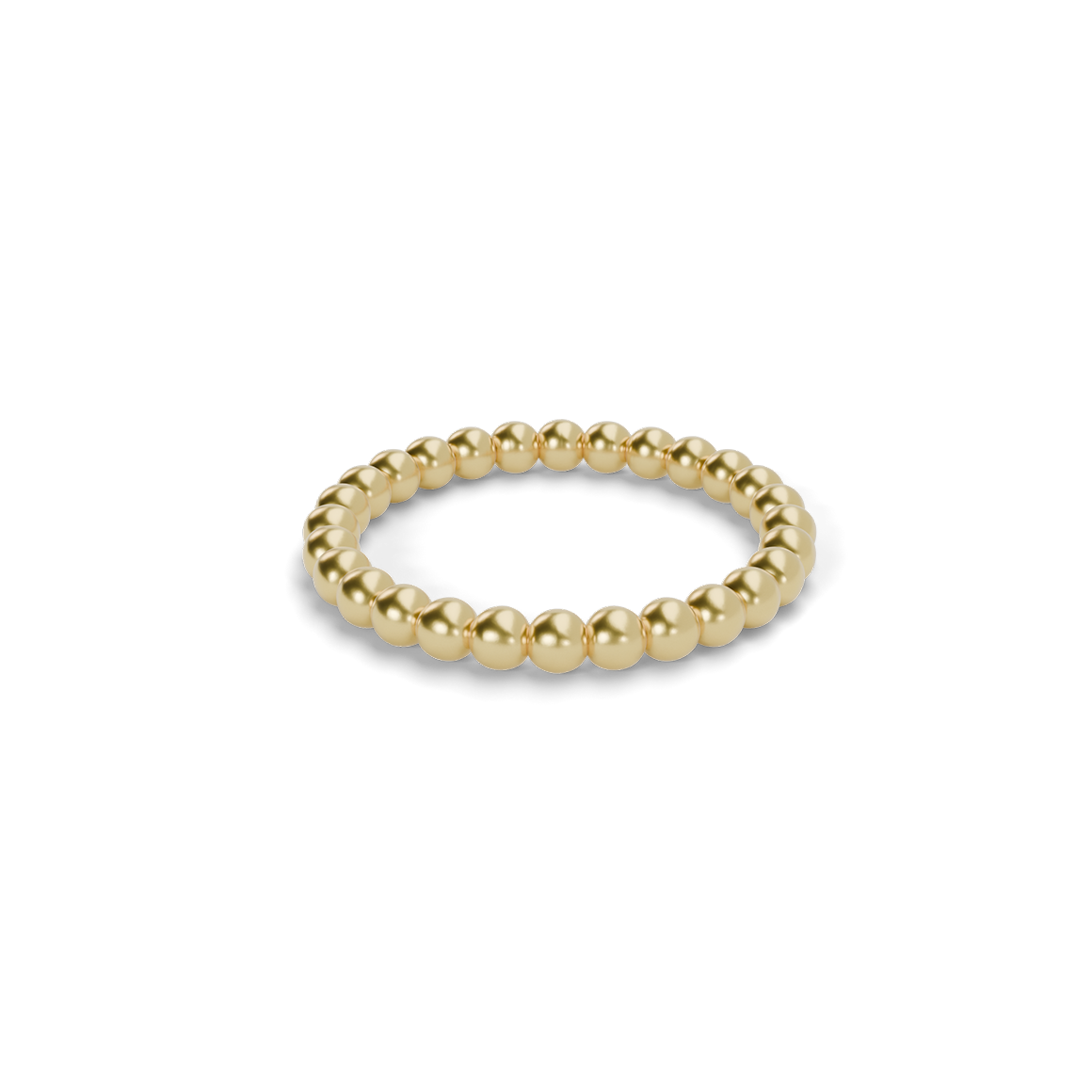
The Atlas Collection rings deserve a mention specifically because some UK push present givers prefer a ring over a bracelet or necklace. The Atlas range includes minimalist gold and silver pieces that work alongside an engagement ring and wedding band without competing with them.
For broader push present-relevant pieces beyond these four ranges, see our wider Jewellery collection.
Engraving: what to actually put on a push present
Engraving is the single thing that separates a generic piece of jewellery from a true push present. The piece itself can be beautiful, but the line of text on the back of the charm is what makes it the new mother's piece, tied to her specific baby, and not just another lovely bracelet.
Six engraving formats cover the vast majority of UK push presents:
The baby's full name. The most common engraving. Works on Heart charms, Soho charms, and the back of pendant pieces. If the baby has a long name, initials may be the better fit.
The baby's initials. Cleaner on smaller charms. Often paired with the birth date so the engraving is "EJM 04.03.26" rather than just letters or just numbers.
The birth date alone. Some parents prefer not to engrave the name (in case of nicknames or future name changes) and use the date as the marker instead. The most common formats are DD.MM.YY or DD/MM/YY in UK convention.
The birth date and the baby's weight. Less common but a particularly UK convention, often seen as "04.03.26 / 7lb 4oz." The weight is a detail that the mother remembers exactly, and seeing it on the piece years later is unexpectedly emotional.
A short word or phrase. "Mama," "Mum," the baby's name in a parent's own handwriting (where the engraving is laser-traced from a scanned signature), or a single meaningful word from the family's life.
Multiple children's details. For mothers receiving a push present at the second or third child, the engraving sometimes lists all of them. The newer initials sit alongside the older ones, and the piece becomes a record of the whole family rather than just the latest baby.
Engraving is added through the customised gifts service. Standard engraving turnaround in the UK is approximately 5 to 7 working days from order. Engraved pieces are bespoke and cannot be returned or exchanged unless they arrive damaged or with the wrong engraving. Confirm the spelling, format, and placement of the engraving carefully before completing the order. Our team in Knightsbridge sends a digital proof of the engraving for confirmation on selected pieces before the engraving is applied.
Push present rings, bracelets, and necklaces compared
The three main jewellery formats each work differently in the postnatal period, and the right choice depends on the new mother's existing jewellery and her practical day-to-day life with a newborn.
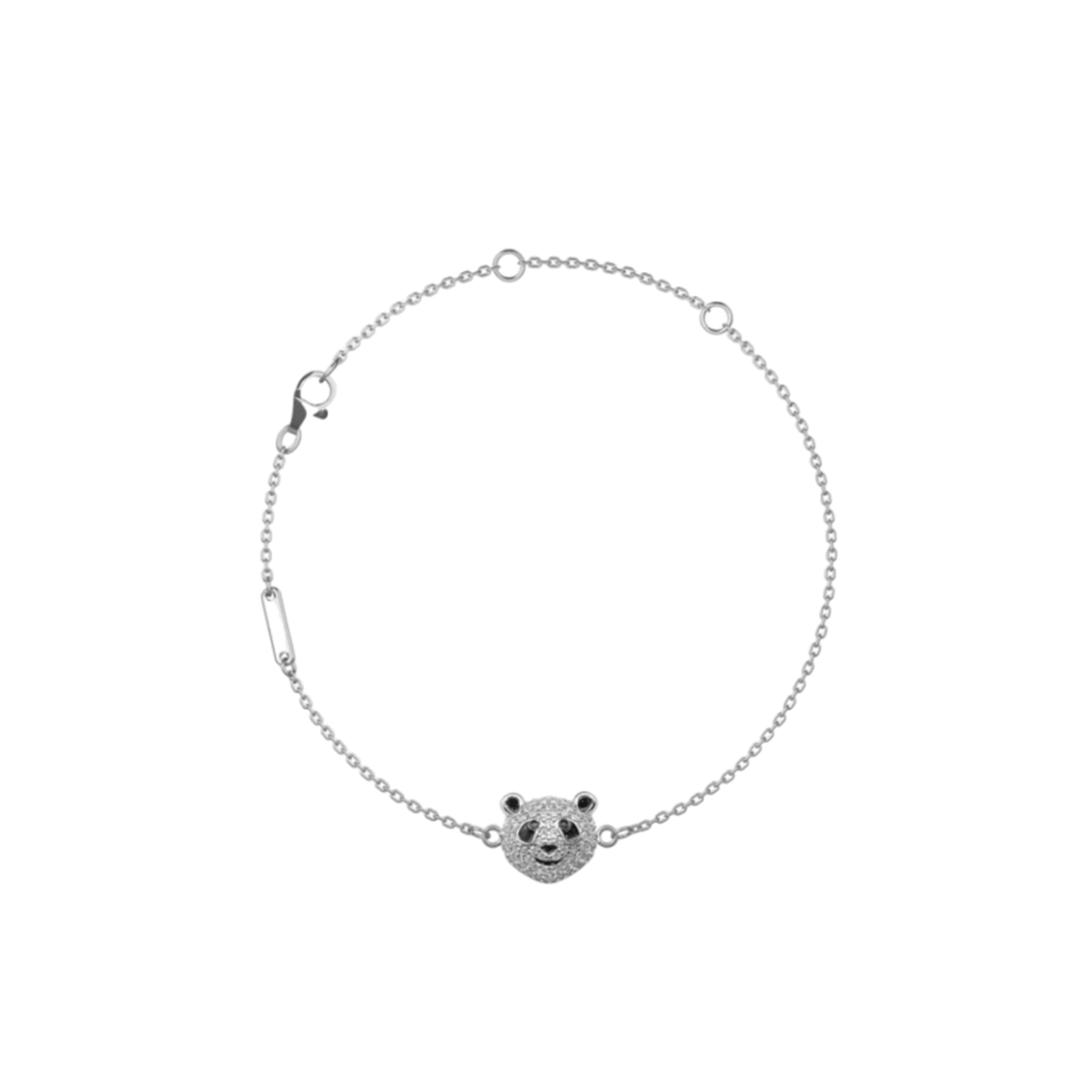
Bracelets. The most common push present format in the UK and the most practical for the first months of motherhood. A bracelet sits on the wrist where it is visible to the mother throughout the day (during feeds, during naps with the baby, during the school run that comes much later) and does not catch on the baby. Cord bracelets in particular are quiet against newborn skin and adjustable to the wrist size changes that often happen postpartum. Wecord's Heart, Clover, and Soho Pavé bracelets all sit within this format.
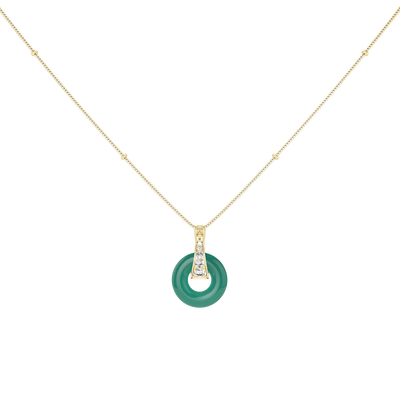
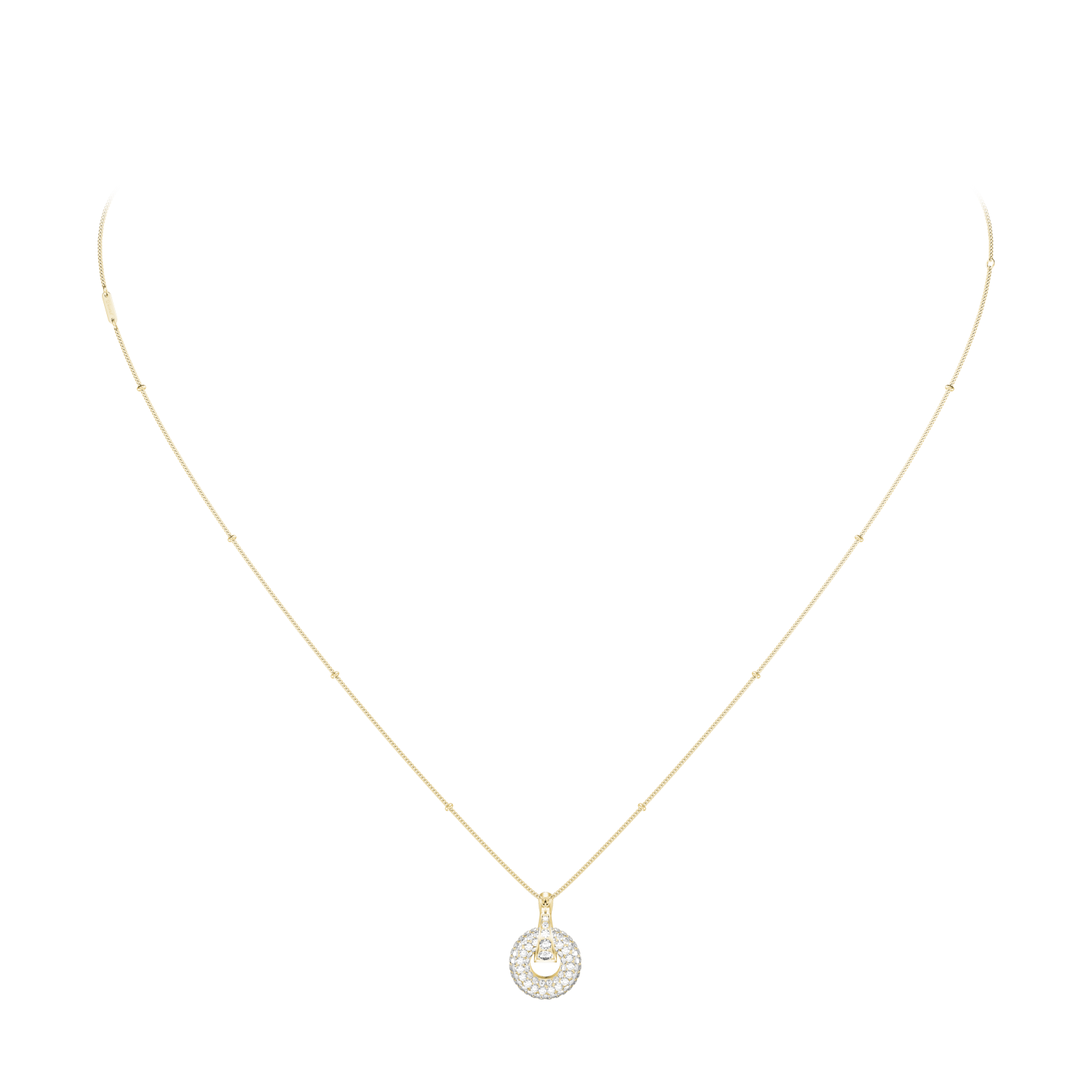
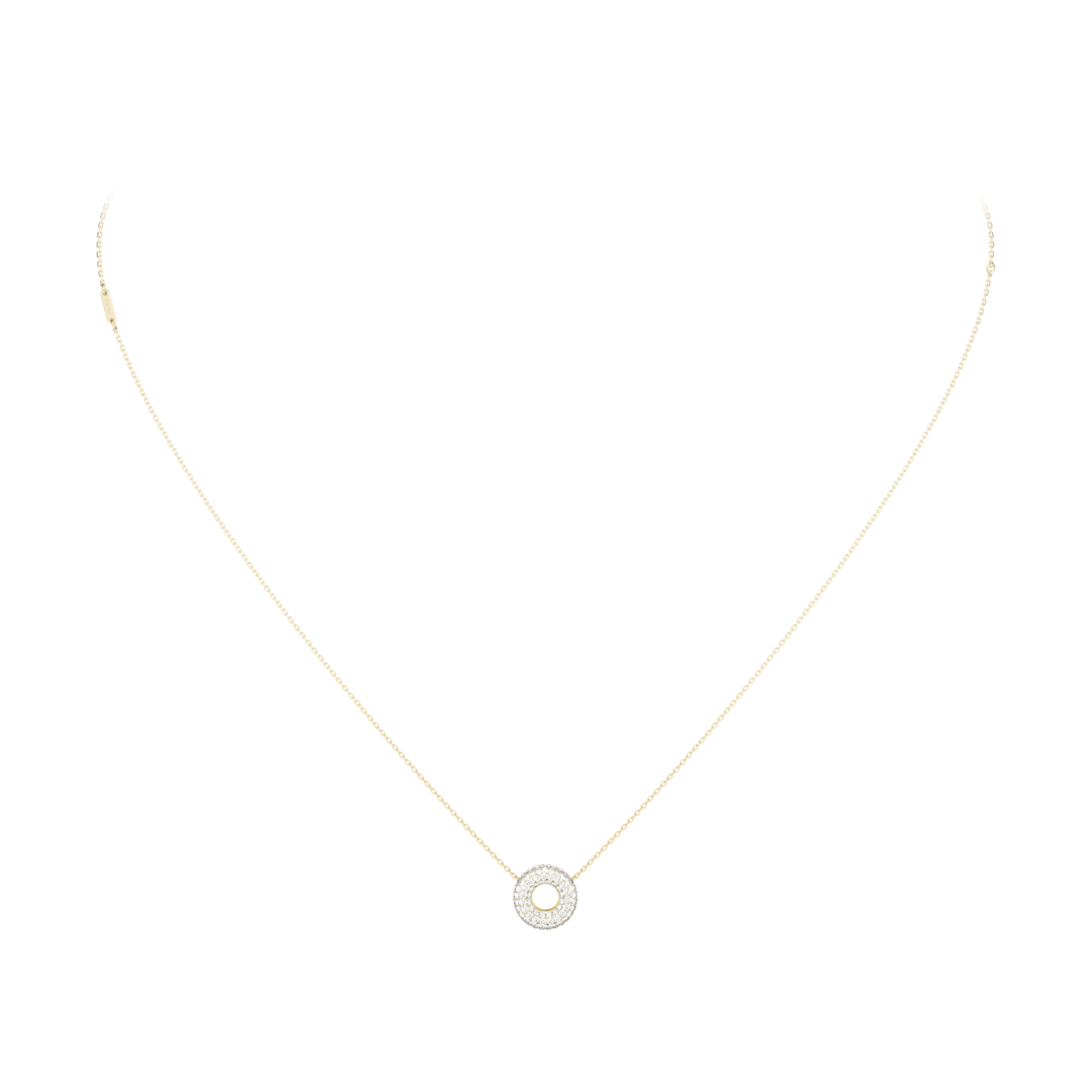
Necklaces. The romantic choice and the format most associated with traditional jewellery gifting. The challenge with a necklace as a push present is the practical one: small babies grab things, and chains around the mother's neck during feeds become an issue in the first few months. The format works best for shorter chains worn closer to the collarbone, or for pieces the mother wears once the baby is past the grabbing stage (around six months and upwards). The Mini Soho Pavé necklace is the most-given Wecord piece in this format.
Rings. The least common push present format in the UK but a meaningful choice for some mothers, particularly those who prefer rings to other jewellery. The challenge is sizing: pregnancy and the postnatal period change finger size for many women, sometimes for months, and a ring that fitted before pregnancy may not fit immediately after. The fix is to pick a ring slightly above the pre-pregnancy size and have it resized later, or to choose an adjustable-band Atlas ring. The Atlas Collection is where most Wecord push present rings sit.
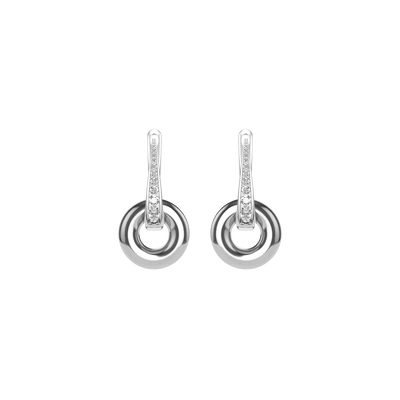
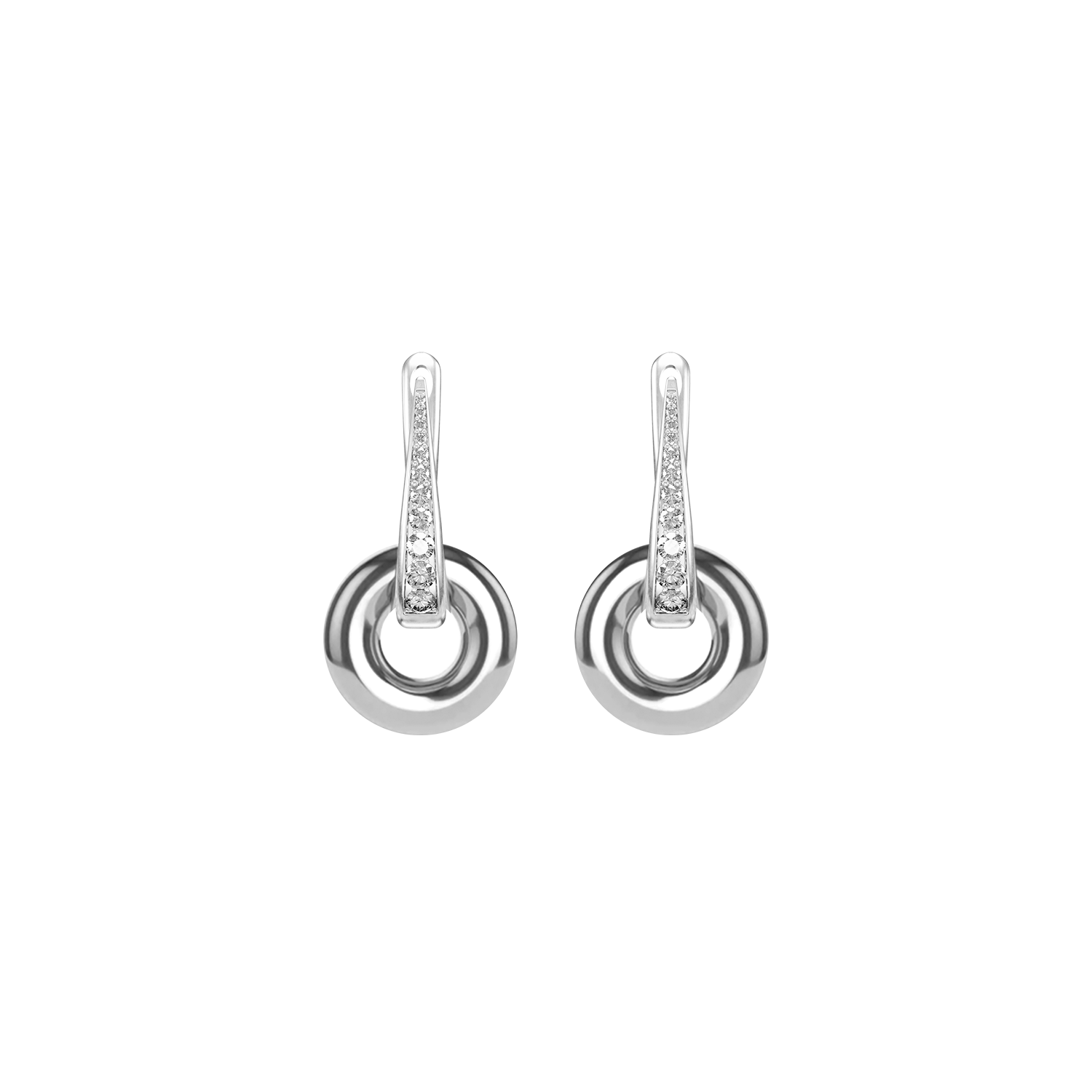
Earrings are a fourth format worth mentioning briefly. They sit out of the baby's reach and remain wearable throughout the postnatal period, but the engraving question becomes harder (engraving on small studs is rarely visible). For push presents specifically, earrings tend to work better as part of a set with a bracelet or necklace rather than as the standalone piece. The full Earrings collection sits alongside the rest of the range.
Push presents by budget
Push present spend in the UK ranges enormously, from around £100 at the entry tier to £10,000 or more at the diamond-and-watch tier. The Wecord catalogue covers the middle of this range, where most actual UK households land.
Under £150: the considered first push present
The right tier for a first baby in a household where the budget has been spent on the nursery, the pram, and everything else a first baby requires. A single Heart Collection cord bracelet or a Mini Clover with engraving sits at this level. The piece is genuinely meaningful without putting financial pressure on a household that is already absorbing the cost of a new baby.
£150 to £400: the standard UK push present
The most common spend tier in the UK. A full Soho Cord Bracelet, a Heart Collection necklace, a Clover charm necklace, or a coordinated bracelet-and-necklace set in the Heart range. Engraving included. This is the tier where most partners land when they have planned the gift in the months before the birth.
£400 to £1,000: the substantial push present
The Soho Pavé bracelet (with lab-grown diamonds), the Mini Soho Pavé necklace, an Atlas Collection ring, or a coordinated Soho Pavé set. This tier is most common for second or third babies (where the partner has had time to plan) and for households where the gifting culture leans more substantial.
£1,000+: the heirloom push present
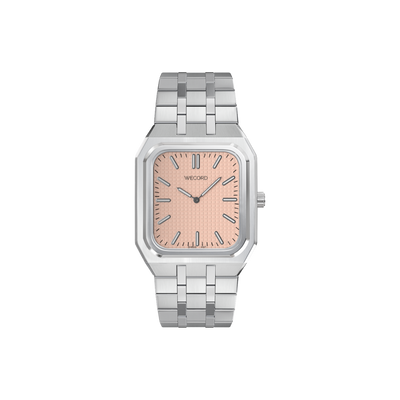
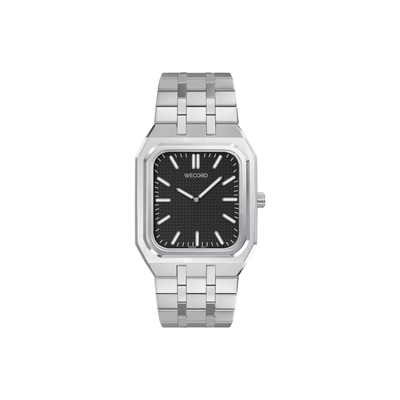
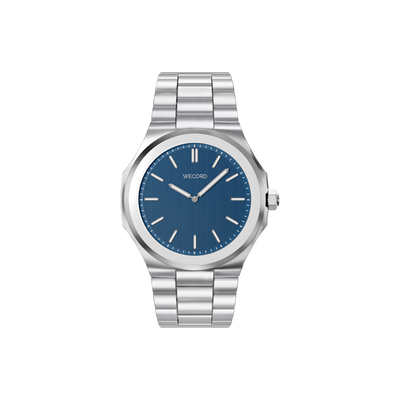
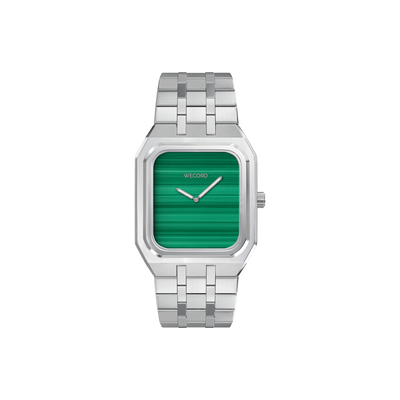
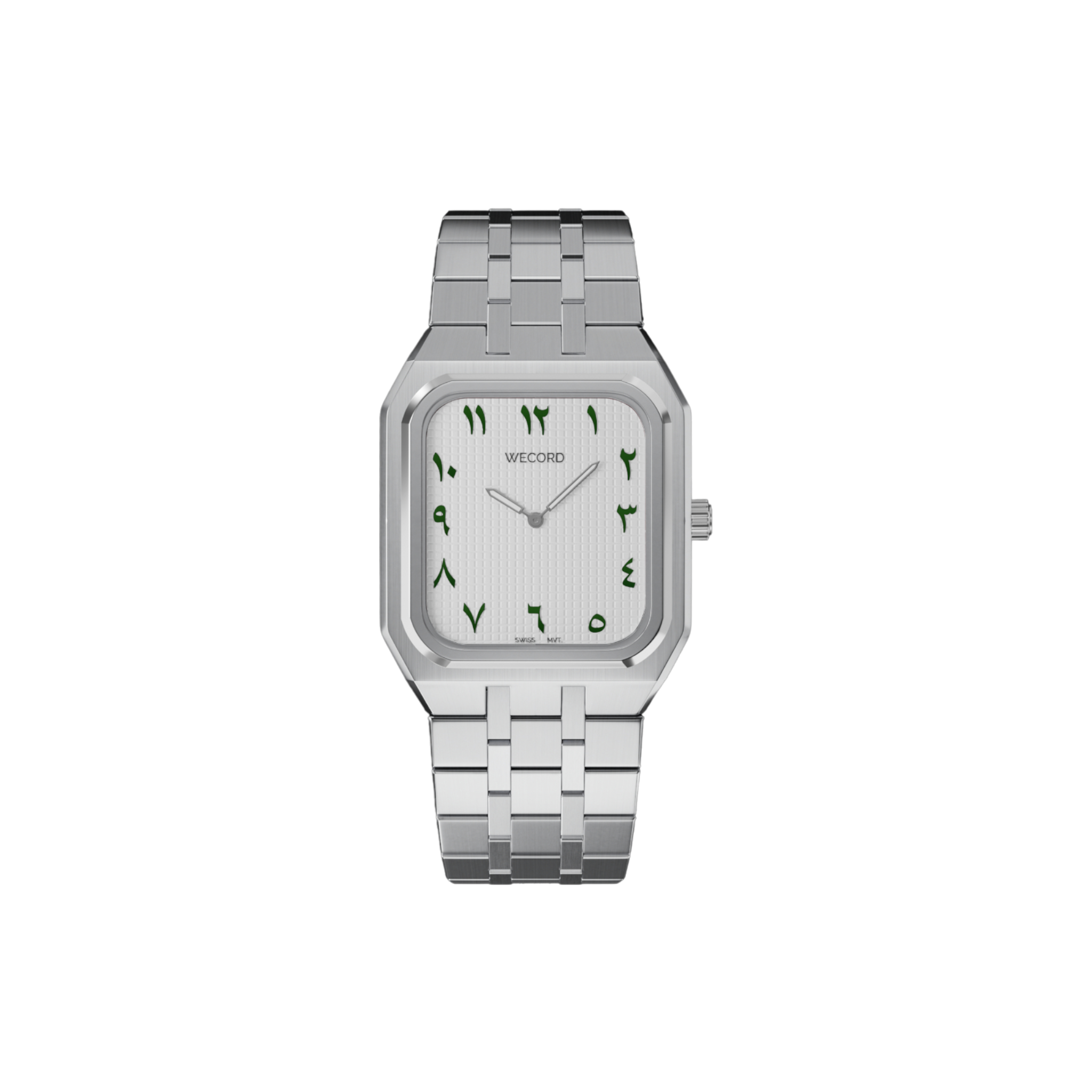
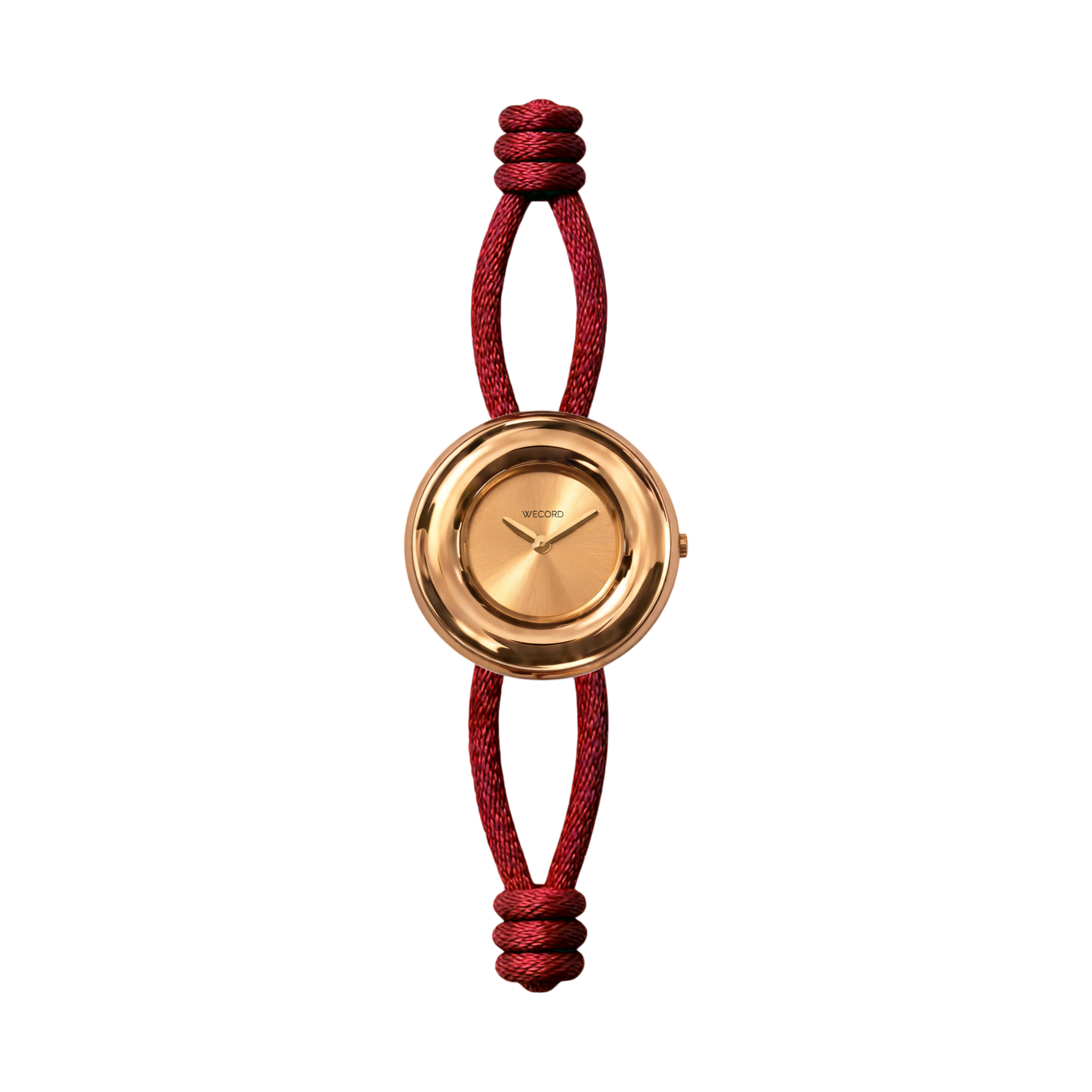
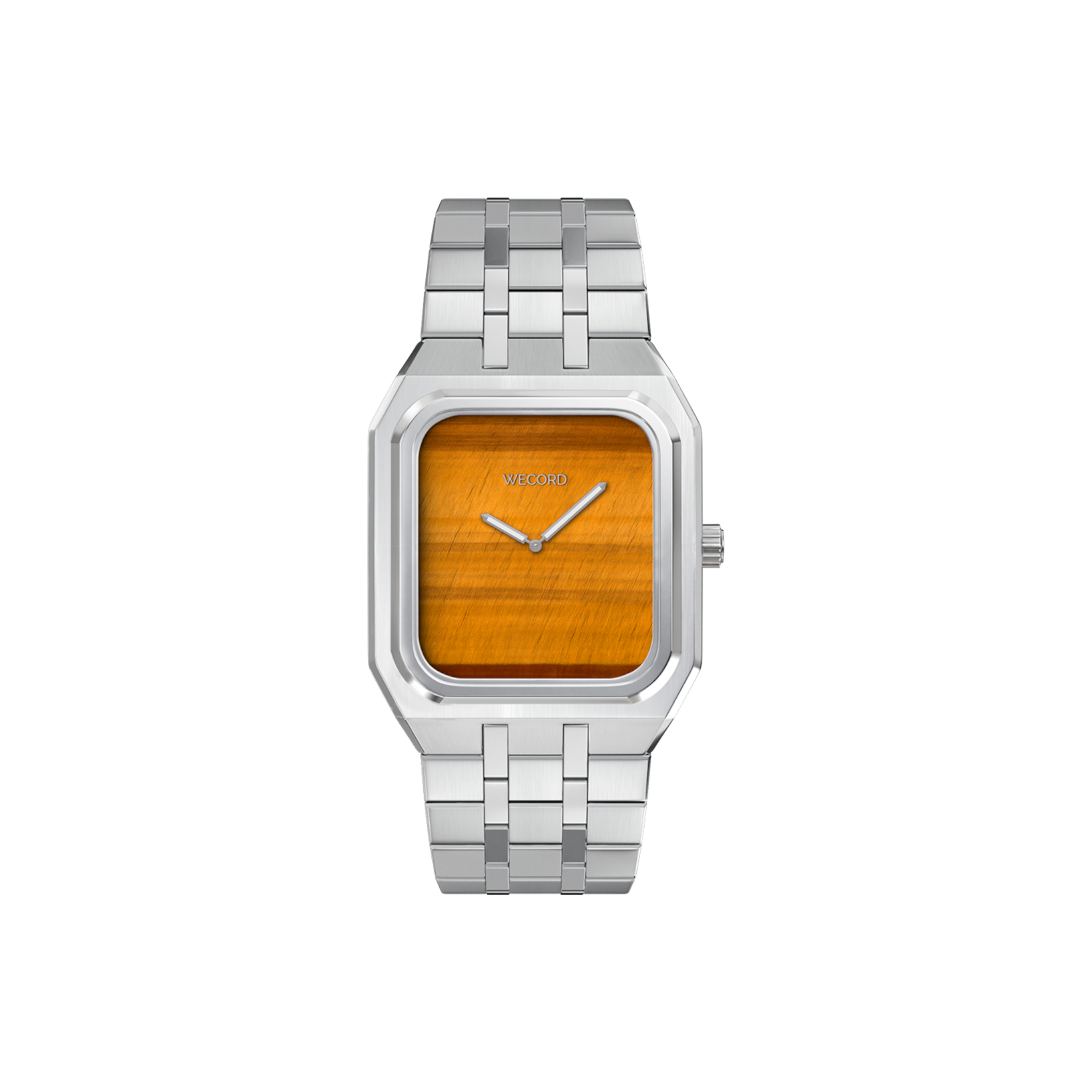
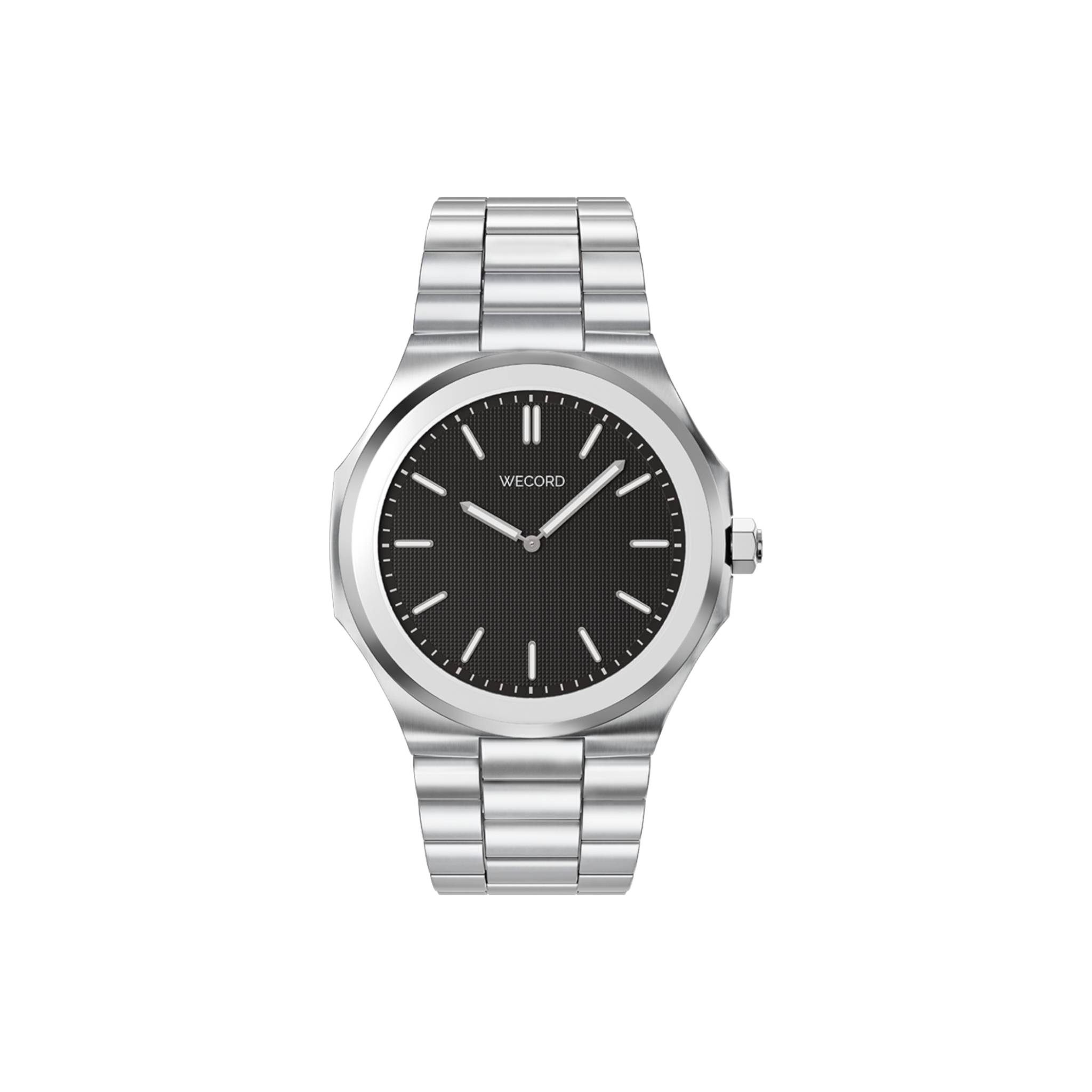
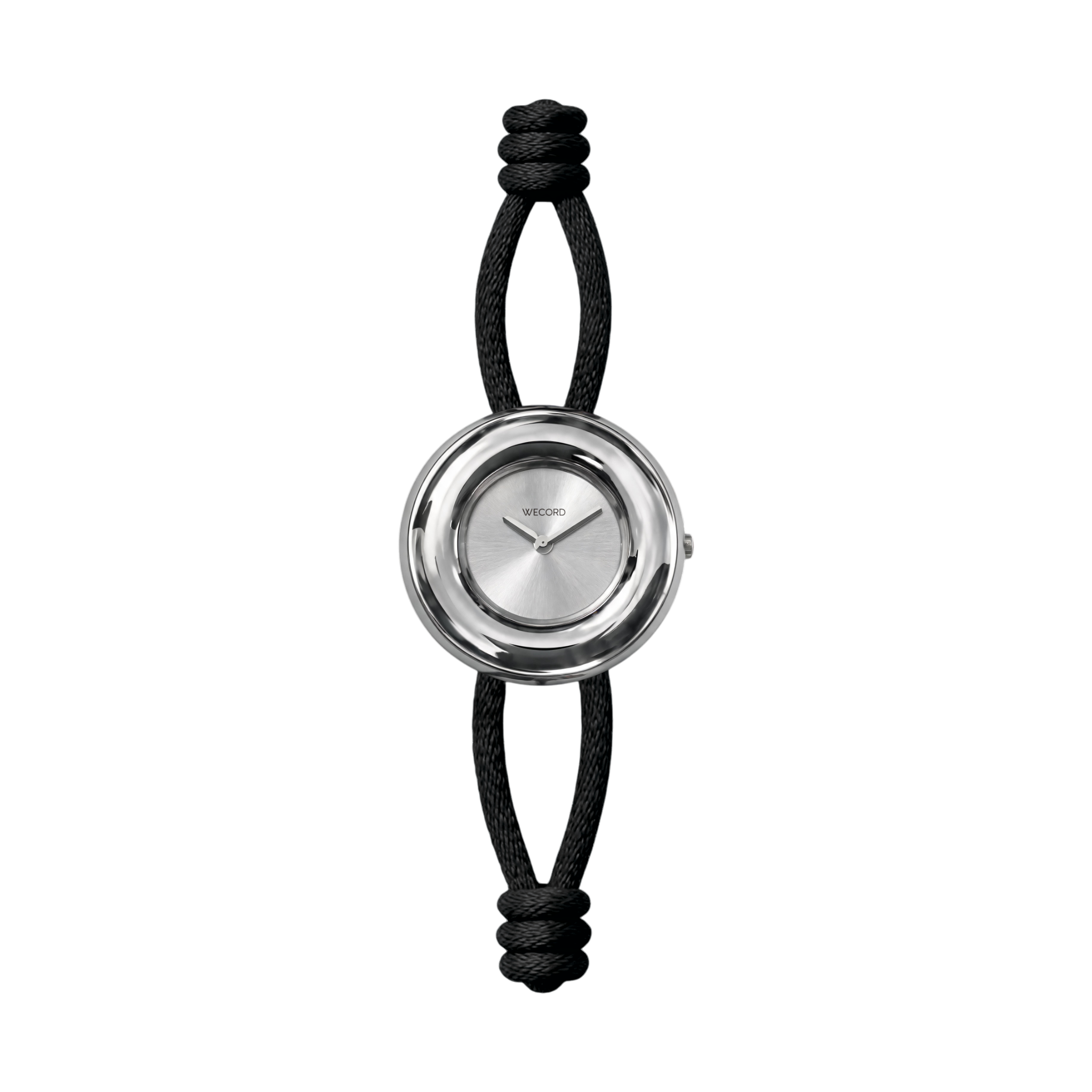
This is where the Duke or Oliver watch becomes the gift, paired with engraving on the back of the case. A watch as a push present is less common in the UK than a bracelet or necklace, but for the woman who already has a substantial jewellery box, a watch is the format that does not duplicate anything she owns. The Duke Collection in its small model with diamonds is the most-given piece at this tier.
Push presents for the partner
The push present is conventionally given to the mother, but increasingly in the UK the partner also receives a piece on the same occasion. The reasoning is straightforward: the partner has been through pregnancy alongside the mother, and the day a baby arrives is a foundational day for the whole family rather than just one of its members.
The most common partner push presents in the UK are watches, men's cord bracelets, or engraved leather pieces. Wecord's men's cord bracelet range works particularly well because the same engraving (baby's name, birth date) can be applied across both the mother's and partner's pieces, so the family ends up with a coordinated pair of pieces marking the same moment. The Carbon Regent and Black Soho are the most-given men's pieces in this context.
The Duke watch large model is the equivalent at the higher tier. Many UK fathers receive a watch for their first child's birth that they wear for decades afterwards.
Buying a push present for someone else's new baby
The push present is conventionally a gift between the parents, but friends, sisters, and grandparents sometimes give a piece to the new mother as a generous gesture in the same window. The brief is similar but with one practical adjustment: the gift should not overshadow whatever the partner is giving. A piece in the £100 to £300 range from a friend or sister, with engraving, sits at the right tier without intruding on the partner's gift.
For grandparents (particularly maternal grandmothers, who often want to mark the moment with a substantial piece), the calculation is different. A grandmother's gift to her daughter at the birth of a first grandchild is often more substantial than the partner's gift, particularly in families where the grandmother gave a similar piece to her own mother thirty years earlier. The Soho Pavé bracelet engraved with the baby's name and birth date is the most-given gift at this tier.
For broader friend and family gifting around a new baby, our Gifts for Her selection covers the wider range.
Timing the push present around the birth
Three windows work for giving a push present in the UK.
The hospital visit. The piece is brought to the hospital and given in the first day or two after the birth. Romantic but practical only if the partner has had the piece in their possession for some time (because most hospital stays are too short to plan a delivery). The risk is also that hospital visits in the first hours can be chaotic and the moment for the gift may not arrive cleanly.
The first week home. The most common choice in the UK. The family is settling in, visitors are slowing down, and a quiet moment in the first few days at home is the most natural time for the gift. The mother is past the immediate exhaustion of birth but still in the early haze of the postnatal period, and the gesture lands more meaningfully.
The naming day or christening. For families that do a formal naming ceremony or christening (anywhere from a few weeks to several months after birth), the gift is sometimes given at this milestone instead. This window also gives the partner more time to commission an engraved piece using the baby's chosen name (which sometimes is not finalised until later).
UK delivery on Wecord pieces is free across the country, with engraved pieces requiring approximately 5 to 7 working days from order. If you are planning to give the push present in the first week home, place the engraved order as soon as the baby's name is decided, ideally before the birth itself if the name has been chosen in advance. For pieces ordered without engraving, standard UK delivery is faster.
Why a push present from Wecord rather than the standard alternatives
The standard UK push present comes from one of three places: a high-street jeweller (Pandora, Links of London, Tiffany), a luxury house at the very top of the spectrum (Cartier, Boucheron), or a personalised gifts retailer (Not On The High Street, Etsy). Wecord sits in a different position from all three.
Compared to the high street, Wecord pieces are made in the brand's own ateliers from sterling silver and 18K gold vermeil at three microns. The construction quality is higher and the pieces last meaningfully longer than equivalent high-street price points. The engraving is also done in-house in London rather than outsourced, which means the finish is consistent.
Compared to the luxury houses, Wecord pieces are at a different price tier entirely. A Soho Pavé cord bracelet at the standard mid-tier costs a fraction of the Cartier or Boucheron equivalent, while delivering similar diamond presence (in lab-grown rather than mined form) and similar build quality. For a piece that will live a real life with a real new mother (worn during feeds, washed under taps, slept in, dropped occasionally), the Wecord tier is the more practical choice.
Compared to personalised gifts retailers, Wecord is built around jewellery rather than around engraving as a service. The pieces are designed to be jewellery first and engraved second, which means they read as substantial gifts rather than as bespoke novelties.
The brand is London-based with a flagship boutique at 60 Beauchamp Place in Knightsbridge, where any piece in the catalogue can be seen in person before buying. The team there can talk through engraving choices and timing if the gift is being planned in advance.
Frequently asked questions about push presents in the UK
What is a push present?
A push present is a gift given to a woman around the time she gives birth, usually by her partner, occasionally by her own family, sometimes by herself. It is a recognition of the pregnancy and the birth itself. The most common push present in the UK is jewellery, often engraved with the new baby's name or birth date. The custom is centuries old in various forms but the term as it is used today became common in the UK in the 2000s.
Where did push presents come from?
Versions of the practice exist in many cultures. In some Indian traditions, a new mother receives gold jewellery from her husband and family at the time of the birth. In some European traditions, the practice can be traced to the 17th century. The modern UK version, where partners specifically give jewellery to the mother around the birth, became more common in the 2000s and accelerated through the 2010s, partly through visibility in celebrity culture and partly through the rise of social media documenting the moment.
How much should a push present cost in the UK?
The range is enormous, from around £100 at the entry tier to £10,000 and beyond. The most common UK spend sits between £150 and £500. The right amount is whatever is proportionate to the household's budget and feels meaningful without putting financial pressure on a family that is already absorbing the cost of a new baby. Many UK couples deliberately choose a more modest piece so the budget can be saved for the baby's needs. Others, particularly for first babies or for second-time mothers, give a substantial piece. There is no single right number.
Is jewellery the standard push present?
In the UK, jewellery is the most common format, but it is not the only one. Watches, handbags, weekend trips, bespoke art commissions, and even larger items (a piece of furniture for the home, a car upgrade) all sit within the push present category. Jewellery dominates because it is wearable, lasting, and capable of being engraved with the baby's name to make the connection to the moment explicit.
Can a push present be engraved with the baby's name?
Yes, and engraving is the single thing that turns a piece of jewellery into a push present specifically rather than a general gift. The most common engraving formats are the baby's full name, the baby's initials, the birth date, the birth date with the baby's weight, or a short word like "Mama." Engraving is added through the Wecord customised gifts service, and the standard turnaround is approximately 5 to 7 working days. Engraved pieces are bespoke and cannot be returned unless they arrive damaged or with the wrong engraving.
When should you give a push present?
The most common moment in the UK is in the first week after the family has come home from the hospital, when the immediate exhaustion of birth has eased but the family is still in the early postnatal period. Some couples give the gift in the hospital itself; some wait until the naming day or christening for families that hold one. The gift should be given in a quiet moment rather than in front of visitors. The point is the gesture, not the audience.
Do dads get push presents too?
Increasingly, yes, particularly in the UK. The original tradition gave the gift only to the mother, but in the last decade many couples have moved toward gifting both partners on the same occasion. The most common partner push presents in the UK are watches, men's cord bracelets, or engraved leather pieces. The format does not need to match the mother's piece, but coordinated pieces (the same engraving applied to both pieces) are increasingly popular.
Should you give a push present from yourself?
Some mothers buy a push present for themselves rather than receiving one from a partner, and this is perfectly normal in the UK today. The jewellery still functions the same way (a piece worn for years afterwards as a marker of the moment), and the engraving still makes it specific to the baby. Self-bought push presents are particularly common for solo mothers, for mothers whose partners are not jewellery-confident, or for mothers who simply prefer to choose the piece themselves.
What are the most popular push present pieces from Wecord?
Across the UK catalogue, the most-given pieces are the Heart Collection cord bracelet (entry to mid tier), the Mini Clover charm necklace (mid tier with strong protection symbolism), and the Soho Pavé bracelet with lab-grown diamonds (substantial tier). For the higher-budget tier, the Duke watch in its small model with diamonds is the most-given piece. All four are routinely engraved with the baby's name or birth date.
Can I see the piece in person before buying?
Yes. The Wecord flagship boutique at 60 Beauchamp Place in Knightsbridge stocks the full UK catalogue, including all four push-present-relevant ranges (Heart, Clover, Soho Pavé, Atlas) and the Duke watch range. The team there can also advise on engraving choices and timing if the gift is being planned in advance. Visit the store locator for boutique opening hours and contact details.
Do I have to give a push present?
No. The push present is a choice, not an obligation, and many UK couples deliberately do not adopt the tradition. Some prefer to mark the moment with a non-material gesture (a handwritten letter to the baby, a tree planted in the garden, a photograph framed and hung). Others prefer to spend the budget on something for the family rather than on a single piece. The point of the moment is recognition, and the form of the recognition is up to the household.
Browse the full push present range
The pieces above the fold are the curated push present selection. For broader options, the Heart Collection is the natural starting point for the most-given push present pieces, the Clover Collection is the home of the protection-symbolism pieces, and the customised gifts service handles every engraved piece in the catalogue.
For a visit-first approach, our flagship boutique at 60 Beauchamp Place in Knightsbridge carries the full UK range. If you are planning the gift in advance and want to see the engraving options on the actual piece before committing, the boutique is the right starting point. The store locator has the full hours and contact details.